THE ADVENTURE COLLECTIVE® · Independent discovery and booking for outdoor travel

Spend a full day exploring Angkor's most iconic temples with a private guide—Angkor Wat's galleries, Bayon’s carved faces, Ta Prohm’s tree roots, the delicate carvings at Banteay Srei and the jungle-claimed ruins of Beng Mealea. This practical one-day loop balances history, scenery and local insights.
Spend a full day exploring Angkor's most iconic temples with a private guide—Angkor Wat's galleries, Bayon’s carved faces, Ta Prohm’s tree roots, the delicate carvings at Banteay Srei and the jungle-claimed ruins of Beng Mealea. This practical one-day loop balances history, scenery and local insights.
Dawn arrives across a wide moat and the silhouette of Angkor Wat sharpens against a pale sky. The air smells of damp earth and jasmine as a private guide leads the way—first onto broad causeways, then into shaded corridors where carved devatas keep their quiet watch. Over eight to nine hours the day moves from cathedral-scale galleries at Angkor Wat to the intimate pink sandstone carvings of Banteay Srei and the root-choked corridors of Ta Prohm.
Verified experiences and guided adventures in the surrounding area.
Operated by Angkor Special Tours · Siem Reap, Siem Reap Province
Dawn arrives across a wide moat and the silhouette of Angkor Wat sharpens against a pale sky. The air smells of damp earth and jasmine as a private guide leads the way—first onto broad causeways, then into shaded corridors where carved devatas keep their quiet watch. Over eight to nine hours the day moves from cathedral-scale galleries at Angkor Wat to the intimate pink sandstone carvings of Banteay Srei and the root-choked corridors of Ta Prohm.
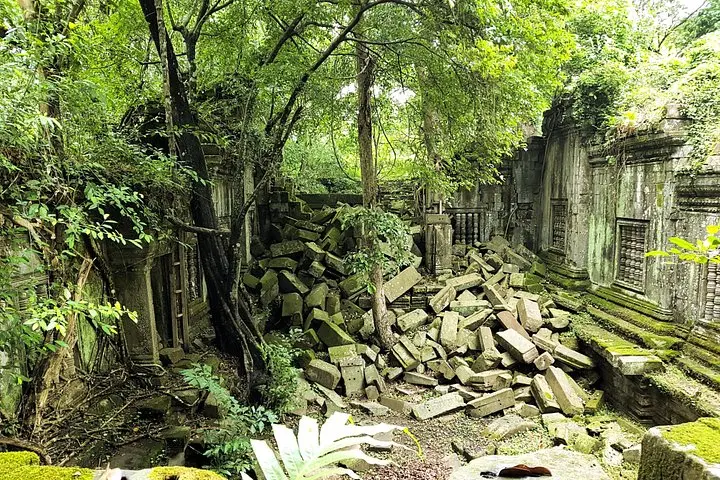
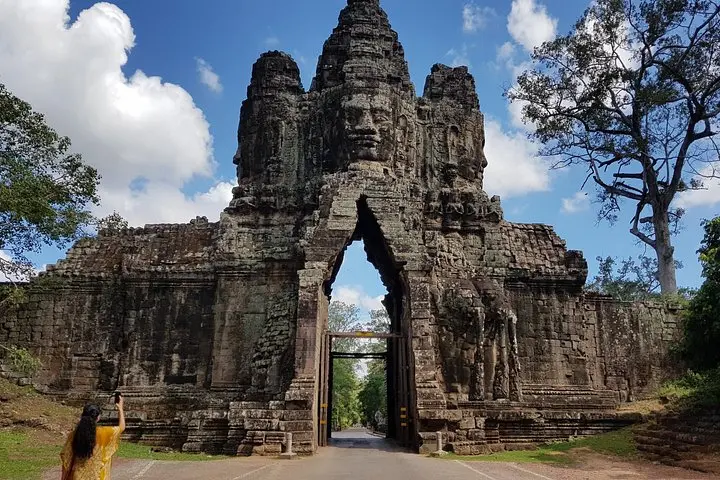
This route threads the high points of the Khmer Empire: Angkor Wat, built in the 12th century as a Hindu temple and later rededicated to Buddhism; Angkor Thom and its Bayon, with stone faces turning in four directions; Banteay Srei, older and renowned for its refined carvings; and Beng Mealea, an overgrown ruin that feels less curated and more archaeological playground. The geology here is primarily sandstone and laterite, quarried and stacked into galleries that have weathered monsoon seasons for centuries.
Practicalities shape the experience: tours start early (hotel pickup around 7:30), you must purchase an Angkor pass (US$37) and a Beng Mealea ticket (US$5), and the operator supplies A/C transport, a certified guide, cold water and towels. Wear comfortable closed shoes, modest clothing that covers shoulders and knees, and carry cash, sunscreen and a refillable water bottle. Expect uneven stone, short flights of steps and stretches of shade broken by open courtyards; pace the day, keep hydrated and follow your guide's route to avoid the biggest crowds.
You can buy your Angkor pass on arrival at the ticket center; guides commonly assist with purchase so have US$37 ready in cash.
Major temple grounds have uneven stone and steps; full accessibility is limited—contact the operator for tailored transport and route planning.
Lunch is not included; the tour includes a scheduled break near the temples where you can buy food at local restaurants.
Expect several kilometers of walking across each site with stairs and uneven surfaces—plan for a moderate fitness level and frequent rest stops.
Angkor Special Tours operates guided outdoor trips and adventures with an emphasis on safety, stewardship, and memorable experiences.
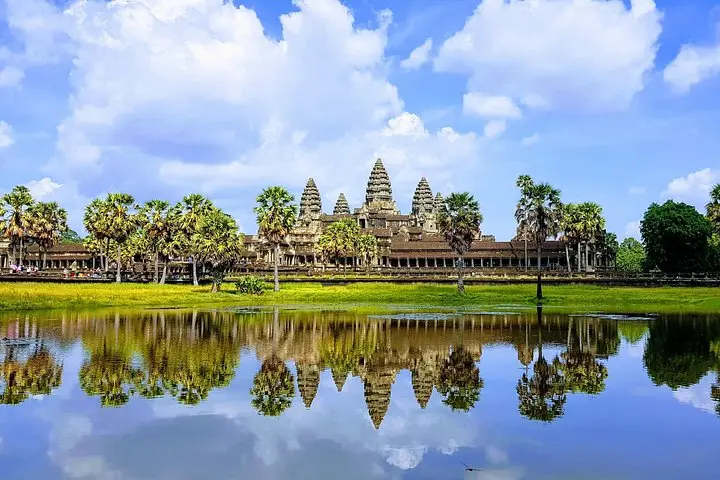
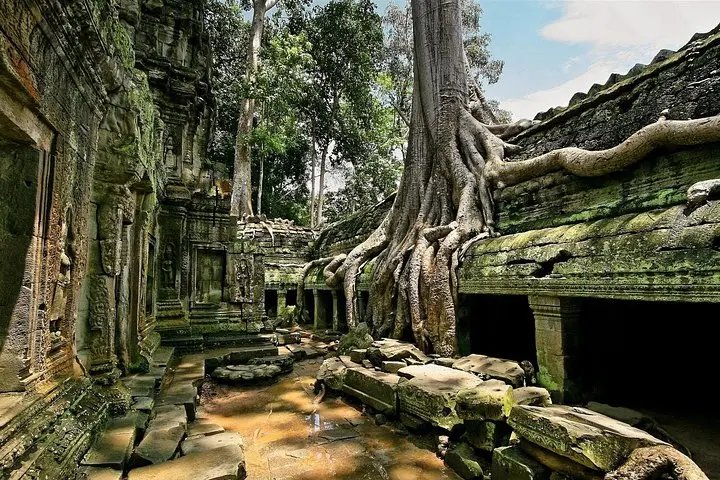
Dawn arrives across a wide moat and the silhouette of Angkor Wat sharpens against a pale sky. The air smells of damp earth and jasmine as a private guide leads the way—first onto broad causeways, then into shaded corridors where carved devatas keep their quiet watch. Over eight to nine hours the day moves from cathedral-scale galleries at Angkor Wat to the intimate pink sandstone carvings of Banteay Srei and the root-choked corridors of Ta Prohm.
Dawn arrives across a wide moat and the silhouette of Angkor Wat sharpens against a pale sky. The air smells of damp earth and jasmine as a private guide leads the way—first onto broad causeways, then into shaded corridors where carved devatas keep their quiet watch. Over eight to nine hours the day moves from cathedral-scale galleries at Angkor Wat to the intimate pink sandstone carvings of Banteay Srei and the root-choked corridors of Ta Prohm.
This route threads the high points of the Khmer Empire: Angkor Wat, built in the 12th century as a Hindu temple and later rededicated to Buddhism; Angkor Thom and its Bayon, with stone faces turning in four directions; Banteay Srei, older and renowned for its refined carvings; and Beng Mealea, an overgrown ruin that feels less curated and more archaeological playground. The geology here is primarily sandstone and laterite, quarried and stacked into galleries that have weathered monsoon seasons for centuries.
Practicalities shape the experience: tours start early (hotel pickup around 7:30), you must purchase an Angkor pass (US$37) and a Beng Mealea ticket (US$5), and the operator supplies A/C transport, a certified guide, cold water and towels. Wear comfortable closed shoes, modest clothing that covers shoulders and knees, and carry cash, sunscreen and a refillable water bottle. Expect uneven stone, short flights of steps and stretches of shade broken by open courtyards; pace the day, keep hydrated and follow your guide's route to avoid the biggest crowds.