THE ADVENTURE COLLECTIVE® · Independent discovery and booking for outdoor travel

See Angkor Wat’s galleries, Bayon’s sculpted faces and Ta Prohm’s tree-embraced ruins in a single, guided day from Siem Reap. This practical tour routes around crowds and covers key archaeological highlights with a local guide.
See Angkor Wat’s galleries, Bayon’s sculpted faces and Ta Prohm’s tree-embraced ruins in a single, guided day from Siem Reap. This practical tour routes around crowds and covers key archaeological highlights with a local guide.
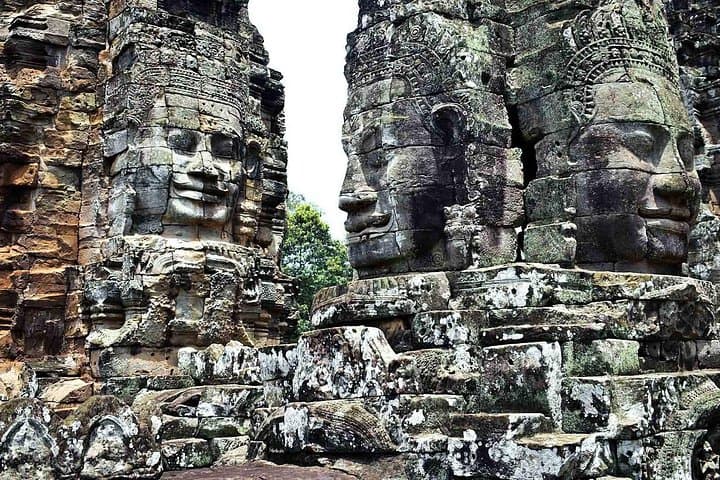
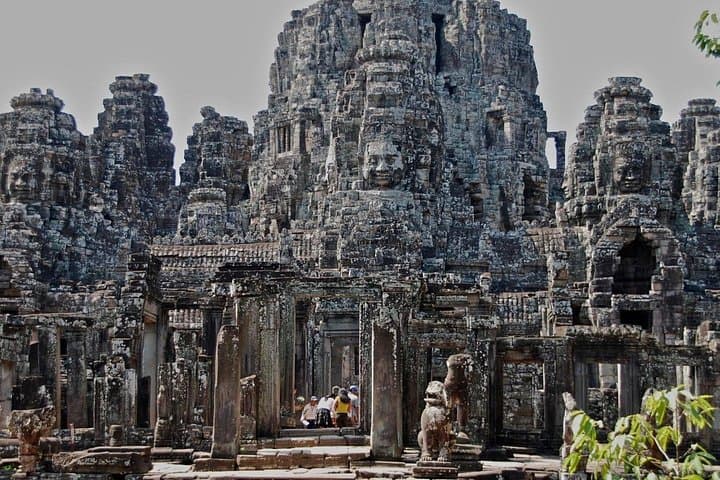
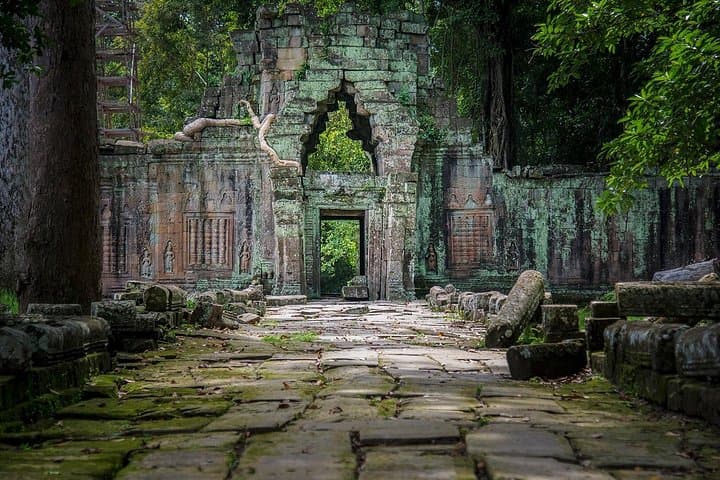
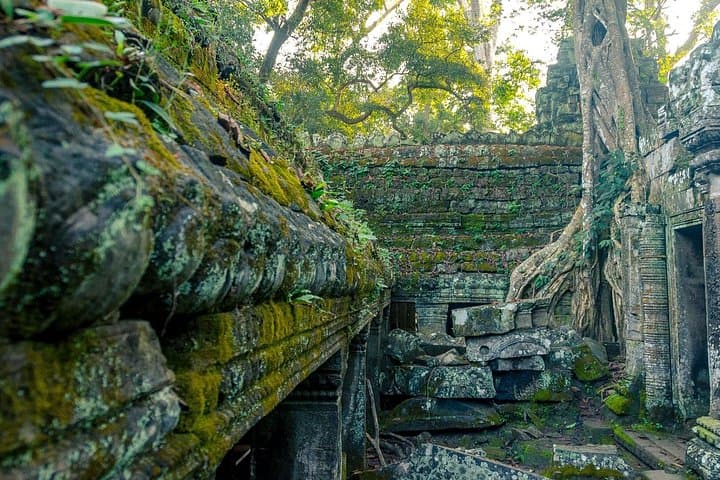
Dawn light slides across the moat at Angkor Wat and the stone becomes readable — carvings, bas-reliefs and the steady geometric rhythm of towers. On a one-day loop you move from the tiered, sunlit galleries of Angkor Wat to the crowded, smiling faces of Bayon and then into Ta Prohm where roots and ruins jostle for attention.
Verified experiences and guided adventures in the surrounding area.
Operated by Angkor Wat Travel Tour · Siem Reap, Siem Reap Province
Dawn light slides across the moat at Angkor Wat and the stone becomes readable — carvings, bas-reliefs and the steady geometric rhythm of towers. On a one-day loop you move from the tiered, sunlit galleries of Angkor Wat to the crowded, smiling faces of Bayon and then into Ta Prohm where roots and ruins jostle for attention.
These sites span the Khmer Empire’s high point: Angkor Wat was begun under King Suryavarman II in the early 12th century as a Hindu temple later adapted to Buddhism; Bayon is Jayavarman VII’s late-12th-century public statement with 216 carved faces; Ta Prohm retains the jungle’s aggressive choreography, with fig and silk-cotton trees rooting through sanctuaries.
Geology is simple here — sandstone blocks quarried and moved by human labor, set on laterite foundations — but the scale and precision reflect complex hydraulics and urban planning of a capital city once home to hundreds of thousands.
Practical notes: this private, 7-hour tour covers the South Gate of Angkor Thom, Bayon, Ta Prohm and Angkor Wat. Temple admission (Angkor Archaeological Park pass) isn’t included, so buy tickets at the park entrance. Expect uneven footing, steep steps and intermittent shade; pace yourself and prioritize the sites you most want to photograph or explore.
Bring respectful clothing (shoulders and knees covered), a reliable hat, sun protection and layered options for early-morning coolness or afternoon rain. Your local English-speaking guide will route the day to avoid peak crowding and recommend nearby spots to eat without returning to town.
No — park admission tickets are purchased separately at the official ticket office near the park entrance and require a passport.
The tour includes bottled water, air-conditioned transport and an English guide; meals and temple admission are not included unless stated otherwise.
Yes; children can join but infants are expected to sit on an adult’s lap and children must be accompanied by an adult.
Yes — expect uneven surfaces, short steep staircases at several temples, and multiple periods of walking across open courtyards.
Angkor Wat Travel Tour operates guided outdoor trips and adventures with an emphasis on safety, stewardship, and memorable experiences.
Dawn light slides across the moat at Angkor Wat and the stone becomes readable — carvings, bas-reliefs and the steady geometric rhythm of towers. On a one-day loop you move from the tiered, sunlit galleries of Angkor Wat to the crowded, smiling faces of Bayon and then into Ta Prohm where roots and ruins jostle for attention.
Dawn light slides across the moat at Angkor Wat and the stone becomes readable — carvings, bas-reliefs and the steady geometric rhythm of towers. On a one-day loop you move from the tiered, sunlit galleries of Angkor Wat to the crowded, smiling faces of Bayon and then into Ta Prohm where roots and ruins jostle for attention.
These sites span the Khmer Empire’s high point: Angkor Wat was begun under King Suryavarman II in the early 12th century as a Hindu temple later adapted to Buddhism; Bayon is Jayavarman VII’s late-12th-century public statement with 216 carved faces; Ta Prohm retains the jungle’s aggressive choreography, with fig and silk-cotton trees rooting through sanctuaries.
Geology is simple here — sandstone blocks quarried and moved by human labor, set on laterite foundations — but the scale and precision reflect complex hydraulics and urban planning of a capital city once home to hundreds of thousands.
Practical notes: this private, 7-hour tour covers the South Gate of Angkor Thom, Bayon, Ta Prohm and Angkor Wat. Temple admission (Angkor Archaeological Park pass) isn’t included, so buy tickets at the park entrance. Expect uneven footing, steep steps and intermittent shade; pace yourself and prioritize the sites you most want to photograph or explore.
Bring respectful clothing (shoulders and knees covered), a reliable hat, sun protection and layered options for early-morning coolness or afternoon rain. Your local English-speaking guide will route the day to avoid peak crowding and recommend nearby spots to eat without returning to town.