THE ADVENTURE COLLECTIVE® · Independent discovery and booking for outdoor travel

Spend a long day exploring two UNESCO icons: Borobudur’s layered stupas and Prambanan’s soaring Hindu spires. This practical guide lays out what to expect—history, terrain, and the essentials to prepare for a full day from Yogyakarta.
Spend a long day exploring two UNESCO icons: Borobudur’s layered stupas and Prambanan’s soaring Hindu spires. This practical guide lays out what to expect—history, terrain, and the essentials to prepare for a full day from Yogyakarta.
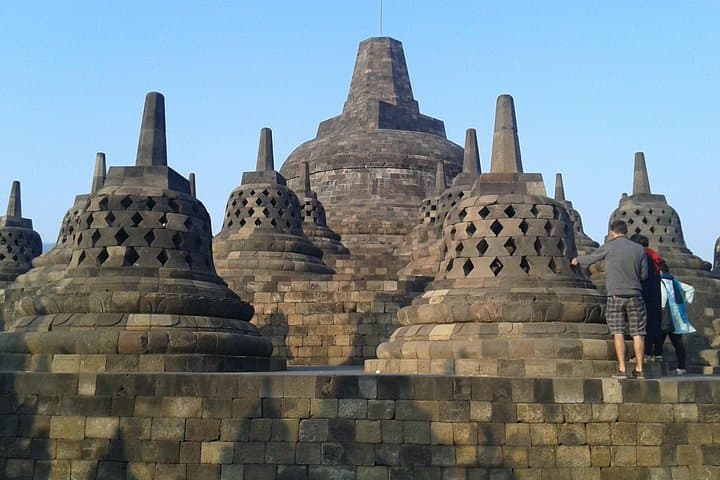
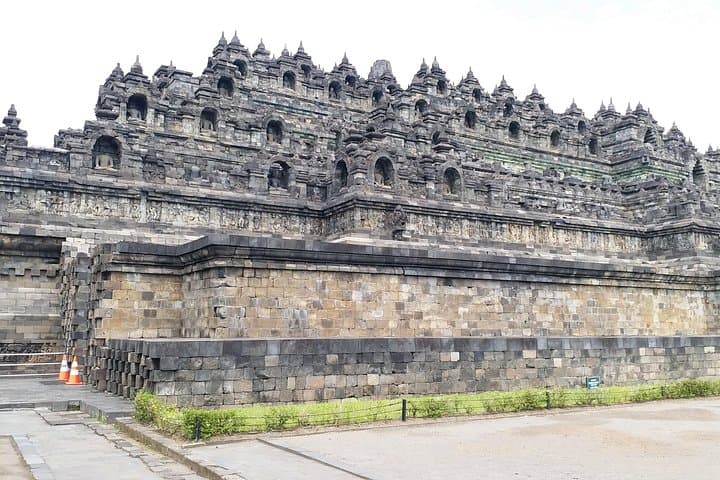
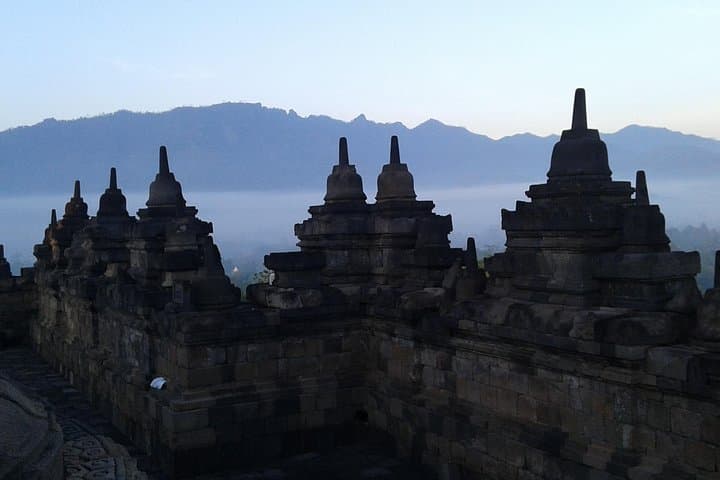
A low sun cuts across the volcanic plain as your van threads rice paddies toward a stupa-studded silhouette on the horizon. By midmorning you stand before Borobudur’s broad terraces: bell-shaped stupas puncture the sky, carved reliefs wrap the lower galleries, and a hush falls as tourists trade footsteps for slow inspection.
Verified experiences and guided adventures in the surrounding area.
Operated by Yogya Tours · Yogyakarta, Special Region of Yogyakarta
A low sun cuts across the volcanic plain as your van threads rice paddies toward a stupa-studded silhouette on the horizon. By midmorning you stand before Borobudur’s broad terraces: bell-shaped stupas puncture the sky, carved reliefs wrap the lower galleries, and a hush falls as tourists trade footsteps for slow inspection.
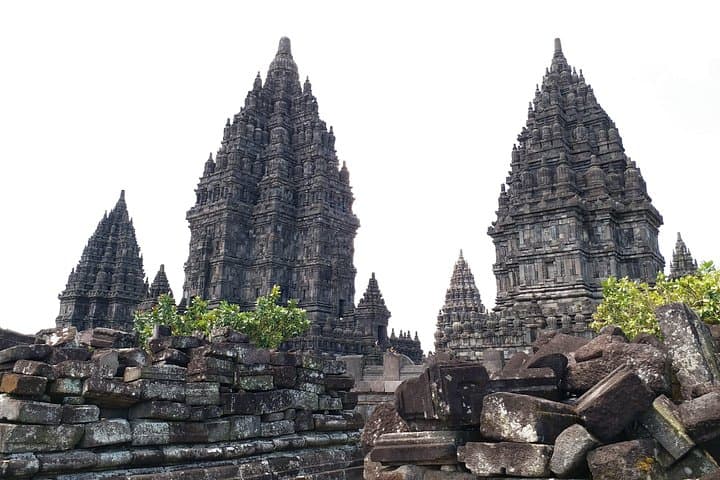
These two sites—Borobudur and Prambanan—anchor Central Java’s medieval past. Borobudur, built by the Sailendra dynasty in the 8th–9th centuries, is the world’s largest Buddhist monument with 72 perforated stupas around its upper terraces. Prambanan, a 9th-century Hindu complex credited to the Sanjaya line, rises in vertical spires dedicated to Shiva, Brahma and Vishnu. The plain itself sits on centuries-old volcanic deposits from Merapi; the dark, fertile soils helped civilizations flourish and supplied volcanic stone for temples.
Culturally, expect layered rituals: offerings at smaller shrines, local guides narrating epics carved in stone, and vendors selling temple-scale brass copies and snacks near gates. Conservation has limited access to upper levels at Borobudur and regulates photography near some reliefs—respect these rules to preserve fragile art.
Practical guidance: this is a full 10–11 hour day with long periods on your feet and short bus transfers; wear sturdy shoes, sun protection, and carry water. Bring cash for small purchases, and plan for variable weather—dry-season heat and brief tropical showers are both possible. Book a morning start to avoid peak crowds and maximize light for photography; your guide handles tickets and logistics so you can focus on the sites.
Yes—this private one-day tour includes entrance tickets for both Borobudur and Prambanan, handled by your guide.
Pickup is typically from hotels in Yogyakarta with return to the same area at the end of the day.
The tour involves stairs and uneven stone; it’s labeled easy for fitness but not recommended for those with spinal or significant mobility problems.
This itinerary runs during daytime hours (approximately 06:30–17:00) and does not include a separate sunrise visit—coordinate a private sunrise departure if that’s your priority.
Yogya Tours operates guided outdoor trips and adventures with an emphasis on safety, stewardship, and memorable experiences.
A low sun cuts across the volcanic plain as your van threads rice paddies toward a stupa-studded silhouette on the horizon. By midmorning you stand before Borobudur’s broad terraces: bell-shaped stupas puncture the sky, carved reliefs wrap the lower galleries, and a hush falls as tourists trade footsteps for slow inspection.
A low sun cuts across the volcanic plain as your van threads rice paddies toward a stupa-studded silhouette on the horizon. By midmorning you stand before Borobudur’s broad terraces: bell-shaped stupas puncture the sky, carved reliefs wrap the lower galleries, and a hush falls as tourists trade footsteps for slow inspection.
These two sites—Borobudur and Prambanan—anchor Central Java’s medieval past. Borobudur, built by the Sailendra dynasty in the 8th–9th centuries, is the world’s largest Buddhist monument with 72 perforated stupas around its upper terraces. Prambanan, a 9th-century Hindu complex credited to the Sanjaya line, rises in vertical spires dedicated to Shiva, Brahma and Vishnu. The plain itself sits on centuries-old volcanic deposits from Merapi; the dark, fertile soils helped civilizations flourish and supplied volcanic stone for temples.
Culturally, expect layered rituals: offerings at smaller shrines, local guides narrating epics carved in stone, and vendors selling temple-scale brass copies and snacks near gates. Conservation has limited access to upper levels at Borobudur and regulates photography near some reliefs—respect these rules to preserve fragile art.
Practical guidance: this is a full 10–11 hour day with long periods on your feet and short bus transfers; wear sturdy shoes, sun protection, and carry water. Bring cash for small purchases, and plan for variable weather—dry-season heat and brief tropical showers are both possible. Book a morning start to avoid peak crowds and maximize light for photography; your guide handles tickets and logistics so you can focus on the sites.