THE ADVENTURE COLLECTIVE® · Independent discovery and booking for outdoor travel

A full-day circuit from Veliko Tarnovo to Bacho Kiro Cave and Dryanovo Monastery combines medieval ramparts, Orthodox history, and one of Europe’s oldest human sites. Expect cobbled streets, narrow gorges, and cool cave passages—perfect for a day of varied walking and exploration.
A full-day circuit from Veliko Tarnovo to Bacho Kiro Cave and Dryanovo Monastery combines medieval ramparts, Orthodox history, and one of Europe’s oldest human sites. Expect cobbled streets, narrow gorges, and cool cave passages—perfect for a day of varied walking and exploration.
You arrive with the road still cooling from dawn, the car dropping you into a landscape where steep limestone ridges press close to villages and rivers. The walk through Veliko Tarnovo’s old quarter moves from narrow, cobbled lanes to the broad curve of Tsarevets fortress, where ruined towers and a ruined patriarchal cathedral sit above the Yantra River, watching over the town like a patient guardian.
Verified experiences and guided adventures in the surrounding area.
Operated by Rolandia · Veliko Tarnovo, Veliko Tarnovo Province
You arrive with the road still cooling from dawn, the car dropping you into a landscape where steep limestone ridges press close to villages and rivers. The walk through Veliko Tarnovo’s old quarter moves from narrow, cobbled lanes to the broad curve of Tsarevets fortress, where ruined towers and a ruined patriarchal cathedral sit above the Yantra River, watching over the town like a patient guardian.
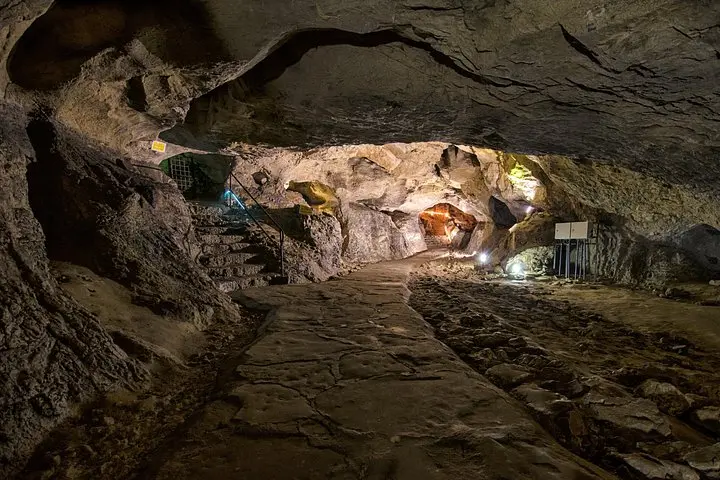
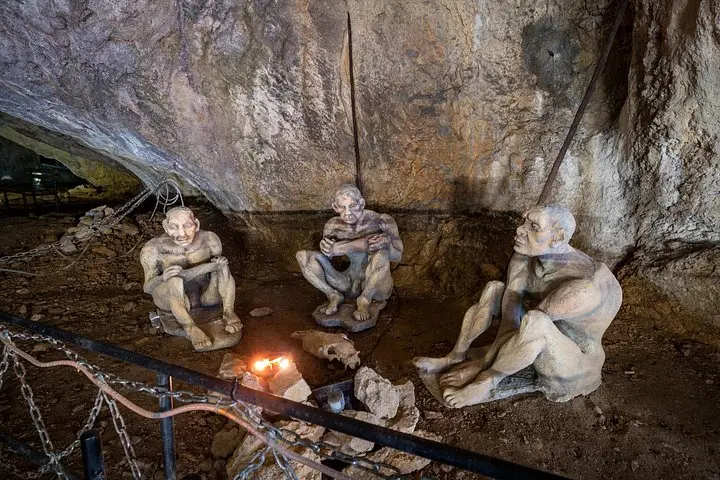
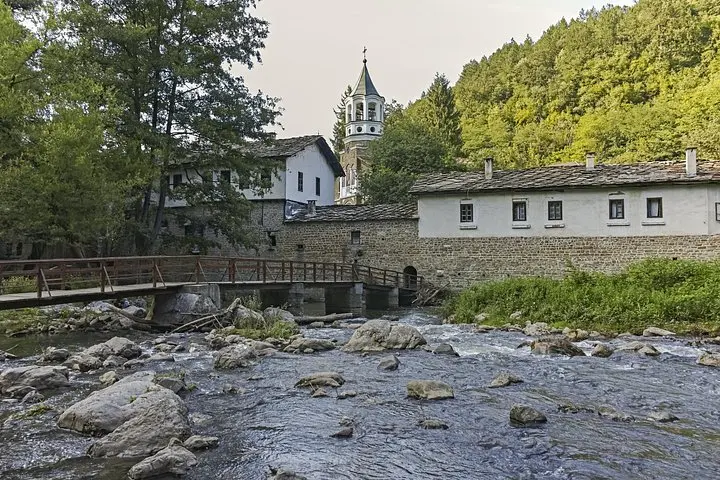
History here is tactile: stone steps worn smooth by centuries of footfall, clerestory windows that frame the same view medieval nobles saw, and the Dryanovo Monastery’s 12th‑century walls that recall Bulgaria’s Orthodox past. Geology takes the stage at Bacho Kiro Cave, a cool underground maze of galleries and stalactites where human remains and ochred beads dated ~43–46,000 years make the site one of Europe’s oldest records of Homo sapiens. Above ground, the Andaka and Dryanovo rivers have carved narrow gorges and waterfalls—small, dramatic proofs of slow water and hard rock.
Practical guidance: expect 10–12 hours on the move with moderate walking on uneven cobbles, stairs, and damp cave floors. Bring a light jacket for the cave (temperatures drop to single digits Celsius), sturdy shoes with grip, and a reusable water bottle. If joining from another country, carry ID for border checks. Timing matters—mornings are best at Tsarevets for light and fewer crowds, while the cave tours run on fixed schedules. This is a day built of contrasts—ruined ramparts and intimate underground chambers—rewarding steady walkers who want history, geology, and a pocket of wild river scenery in one long, satisfying loop.
The full excursion runs about 10–12 hours with steady driving between sites and moderate walking at each stop—plan for a full day out.
The cave involves walking on uneven, sometimes damp floors and some low ceilings; it's not technical but requires sure footing and basic mobility.
If the operator crosses the Romania–Bulgaria border, you must carry a valid passport or national ID; confirm with the provider before departure.
Admission to listed sites is typically included per the tour listing, but meals are usually not—pack snacks or confirm the operator’s meal plan in advance.
Rolandia operates guided outdoor trips and adventures with an emphasis on safety, stewardship, and memorable experiences.
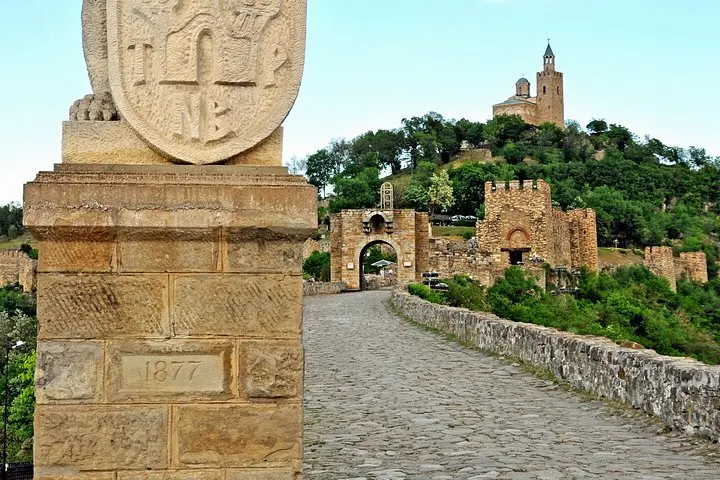
You arrive with the road still cooling from dawn, the car dropping you into a landscape where steep limestone ridges press close to villages and rivers. The walk through Veliko Tarnovo’s old quarter moves from narrow, cobbled lanes to the broad curve of Tsarevets fortress, where ruined towers and a ruined patriarchal cathedral sit above the Yantra River, watching over the town like a patient guardian.
You arrive with the road still cooling from dawn, the car dropping you into a landscape where steep limestone ridges press close to villages and rivers. The walk through Veliko Tarnovo’s old quarter moves from narrow, cobbled lanes to the broad curve of Tsarevets fortress, where ruined towers and a ruined patriarchal cathedral sit above the Yantra River, watching over the town like a patient guardian.
History here is tactile: stone steps worn smooth by centuries of footfall, clerestory windows that frame the same view medieval nobles saw, and the Dryanovo Monastery’s 12th‑century walls that recall Bulgaria’s Orthodox past. Geology takes the stage at Bacho Kiro Cave, a cool underground maze of galleries and stalactites where human remains and ochred beads dated ~43–46,000 years make the site one of Europe’s oldest records of Homo sapiens. Above ground, the Andaka and Dryanovo rivers have carved narrow gorges and waterfalls—small, dramatic proofs of slow water and hard rock.
Practical guidance: expect 10–12 hours on the move with moderate walking on uneven cobbles, stairs, and damp cave floors. Bring a light jacket for the cave (temperatures drop to single digits Celsius), sturdy shoes with grip, and a reusable water bottle. If joining from another country, carry ID for border checks. Timing matters—mornings are best at Tsarevets for light and fewer crowds, while the cave tours run on fixed schedules. This is a day built of contrasts—ruined ramparts and intimate underground chambers—rewarding steady walkers who want history, geology, and a pocket of wild river scenery in one long, satisfying loop.