THE ADVENTURE COLLECTIVE® · Independent discovery and booking for outdoor travel

Spend one long, vivid day exploring Chiang Rai’s White Temple, panoramic Golden Triangle vistas, and an Akha hilltribe village. This full-day tour blends striking contemporary art, borderland history, and river landscapes into a single, manageable itinerary.
Spend one long, vivid day exploring Chiang Rai’s White Temple, panoramic Golden Triangle vistas, and an Akha hilltribe village. This full-day tour blends striking contemporary art, borderland history, and river landscapes into a single, manageable itinerary.
Morning light in northern Thailand falls differently—harder, clearer—so a 7:00 a.m. pickup from Chiang Mai launches you across rice paddies and limestone outcrops toward Chiang Rai. By mid-morning the White Temple (Wat Rong Khun) rises like a modern myth: white stucco and glass catching sun, surreal sculptures framing a courtyard where art challenges belief.
Verified experiences and guided adventures in the surrounding area.
Operated by Sightseeingbangkok.com · Chiang Rai, Chiang Rai Province
Morning light in northern Thailand falls differently—harder, clearer—so a 7:00 a.m. pickup from Chiang Mai launches you across rice paddies and limestone outcrops toward Chiang Rai. By mid-morning the White Temple (Wat Rong Khun) rises like a modern myth: white stucco and glass catching sun, surreal sculptures framing a courtyard where art challenges belief.
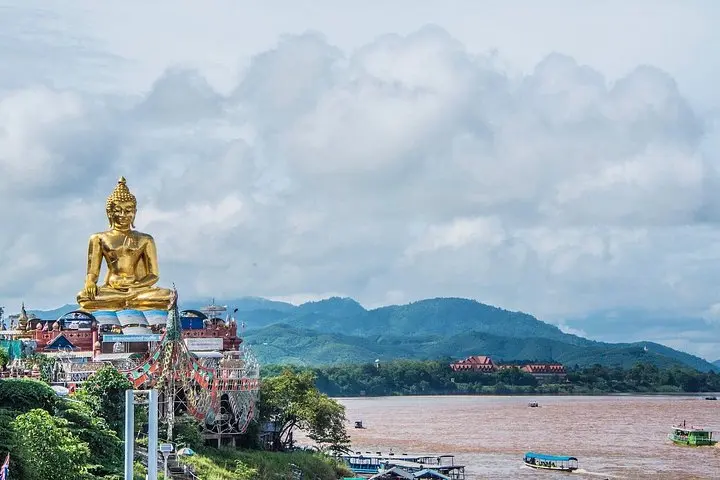
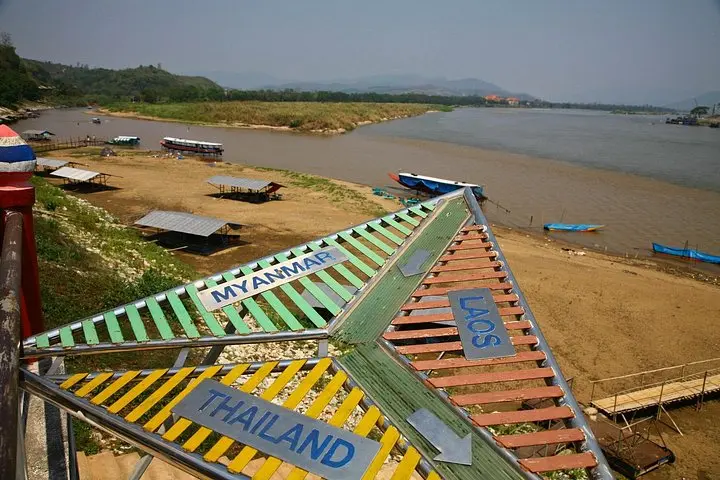
The route threads through Mae Khachan hot springs and wide river valleys before arriving at the Golden Triangle, where the Ruak pours into the Mekong and three countries meet. This is a landscape shaped by water and trade—ancient river channels, eroded sandstone bluffs, and a recent history of opium production that has shifted to tourism and agriculture.
Cultural contrasts are immediate: contemporary temple art by Chalermchai Kositpipat, stately Mekong vistas, and the small Akha village where traditional dress, beadwork and hill farming invite respectful observation. The guide’s role is practical and interpretive—explaining Buddhist symbolism, local customs and border dynamics—so the day reads as both visual and contextual study.
Practical notes: expect a 12-hour day with several short walks and stairs at sites; bring sun protection and modest clothing for temple visits. Timed stops allow lunch in Chiang Saen and optional boat rides on the Mekong (small extra fee). Photography is generous but considerate—ask before photographing people in villages. The tour is low-impact physically but high on sensory variety: heat from the plains, river breezes, and colors that change with every turn of the road.
The trip includes roughly 3–4 hours each way by air-conditioned vehicle, with stops at Mae Khachan hot springs, Wat Rong Khun, and the Golden Triangle.
Yes—entrance fees to included attractions and lunch are covered; optional extras like boat rides and border crossings are paid on the day.
Yes—infants can join but must sit on an adult’s lap; the itinerary is long so consider a flexible schedule for young children.
Bring a passport if you plan to cross the Laos border; otherwise national ID is not sufficient for international crossings.
Sightseeingbangkok.com operates guided outdoor trips and adventures with an emphasis on safety, stewardship, and memorable experiences.
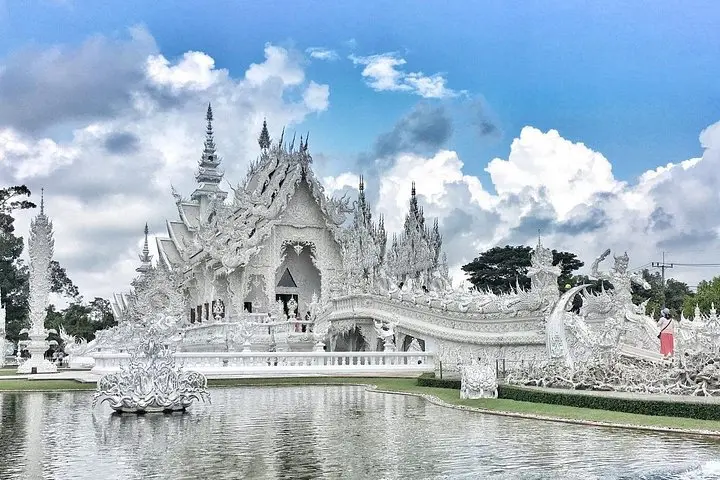
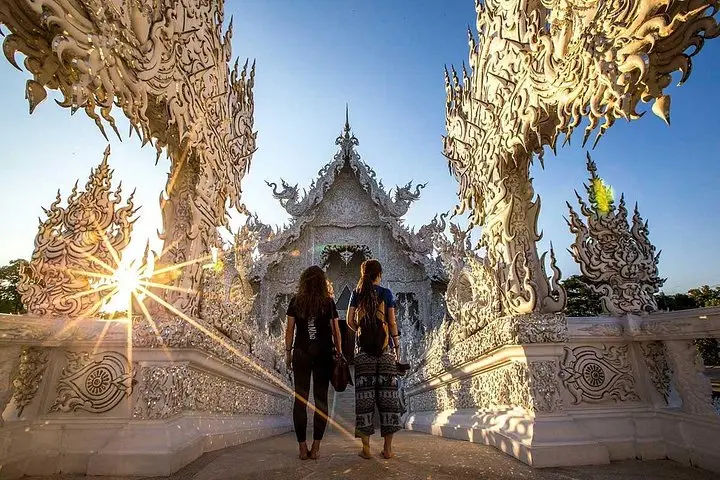
Morning light in northern Thailand falls differently—harder, clearer—so a 7:00 a.m. pickup from Chiang Mai launches you across rice paddies and limestone outcrops toward Chiang Rai. By mid-morning the White Temple (Wat Rong Khun) rises like a modern myth: white stucco and glass catching sun, surreal sculptures framing a courtyard where art challenges belief.
Morning light in northern Thailand falls differently—harder, clearer—so a 7:00 a.m. pickup from Chiang Mai launches you across rice paddies and limestone outcrops toward Chiang Rai. By mid-morning the White Temple (Wat Rong Khun) rises like a modern myth: white stucco and glass catching sun, surreal sculptures framing a courtyard where art challenges belief.
The route threads through Mae Khachan hot springs and wide river valleys before arriving at the Golden Triangle, where the Ruak pours into the Mekong and three countries meet. This is a landscape shaped by water and trade—ancient river channels, eroded sandstone bluffs, and a recent history of opium production that has shifted to tourism and agriculture.
Cultural contrasts are immediate: contemporary temple art by Chalermchai Kositpipat, stately Mekong vistas, and the small Akha village where traditional dress, beadwork and hill farming invite respectful observation. The guide’s role is practical and interpretive—explaining Buddhist symbolism, local customs and border dynamics—so the day reads as both visual and contextual study.
Practical notes: expect a 12-hour day with several short walks and stairs at sites; bring sun protection and modest clothing for temple visits. Timed stops allow lunch in Chiang Saen and optional boat rides on the Mekong (small extra fee). Photography is generous but considerate—ask before photographing people in villages. The tour is low-impact physically but high on sensory variety: heat from the plains, river breezes, and colors that change with every turn of the road.