THE ADVENTURE COLLECTIVE® · Independent discovery and booking for outdoor travel

Spend a full day exploring Varaždin County’s baroque streets, Roman thermal remains at Varaždinske Toplice, and medieval life at Trakošćan Castle. This private tour blends cultural history with accessible outdoor walks across northern Croatia’s gentle hills.
Spend a full day exploring Varaždin County’s baroque streets, Roman thermal remains at Varaždinske Toplice, and medieval life at Trakošćan Castle. This private tour blends cultural history with accessible outdoor walks across northern Croatia’s gentle hills.
Morning light slices across a stone courtyard as your guide leads you from Varaždin’s baroque streets toward a waiting minivan — the day opens with the practical rhythm of a road trip and the sharper curiosity of history.
Verified experiences and guided adventures in the surrounding area.
Operated by Varazdin Tourist Guide · Varaždin, Varaždin County
Morning light slices across a stone courtyard as your guide leads you from Varaždin’s baroque streets toward a waiting minivan — the day opens with the practical rhythm of a road trip and the sharper curiosity of history.
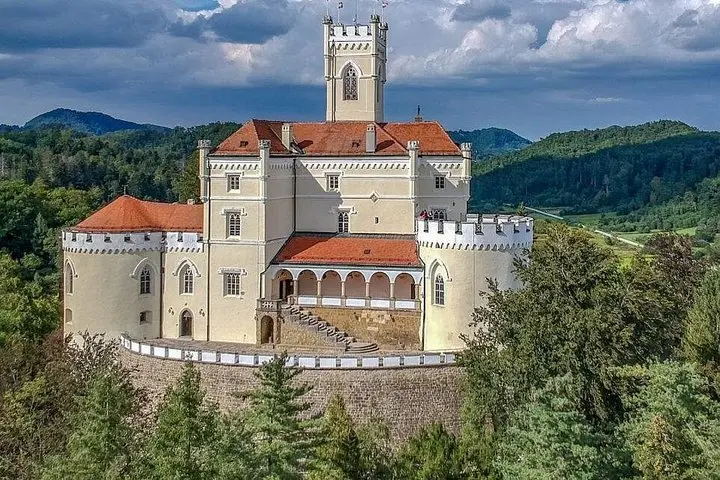
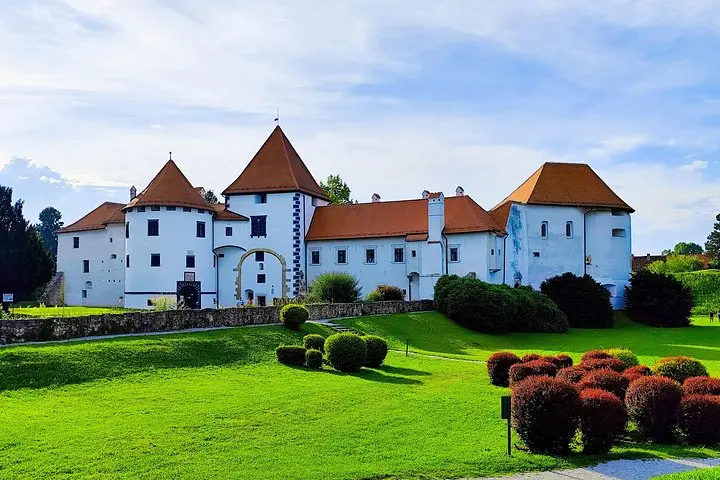
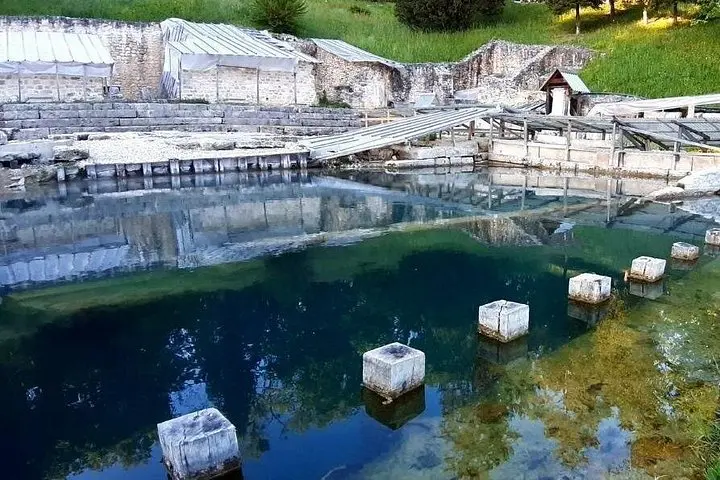
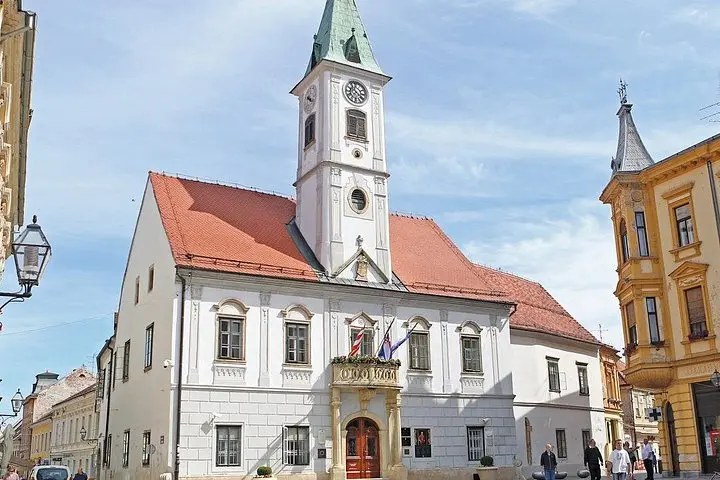
You move through three distinct chapters: Varaždin’s compact old town with its 17th–18th century palaces and market lanes; Varaždinske Toplice, where Roman thermal remains (Aquae Iasae) show how baths shaped settlement; and Trakošćan Castle, perched above a glacial lake that still influences the valley’s microclimate. Geologically the region is a gentle meeting of Pannonian plains and the rising edges of the Hrvatsko Zagorje hills; the castle’s stone and the spa’s thermal deposits both speak to long-term human use of local resources.
Culturally, this is northern Croatia’s seat of baroque refinement and rural nobility — expect anecdotes about noble families, old trade routes, and how thermal springs anchored settlements for millennia. Local guides often point out architectural details whose meanings changed from the Habsburg period through Yugoslavia to modern Croatia.
Practical guidance: plan for an 8–9 hour day with several short walks and museum time. Wear sturdy walking shoes and layered clothing for variable weather. Bring a light daypack with water and a charged camera; entrances for Trakošćan and the Roman site are typically included, but check the booking note for specifics. Public toilets are available at major stops, but small villages may offer limited services. If you prefer a slower pace, request longer time at the spa ruins or an extended castle visit when booking.
The tour typically includes entry to Trakošćan Castle and the Roman site at Varaždinske Toplice, but confirm at booking as inclusions can vary.
Start and end points are arranged with the operator; many departures originate from Zagreb and return the same day—confirm your pickup or meeting point when booking.
Yes—short walks are generally stroller-accessible, though castle interiors have stairs; inquire in advance about accessibility needs.
Private format often allows flexibility—request longer durations at the castle or spa ruins when you reserve to tailor the pace.
Varazdin Tourist Guide operates guided outdoor trips and adventures with an emphasis on safety, stewardship, and memorable experiences.
Morning light slices across a stone courtyard as your guide leads you from Varaždin’s baroque streets toward a waiting minivan — the day opens with the practical rhythm of a road trip and the sharper curiosity of history.
Morning light slices across a stone courtyard as your guide leads you from Varaždin’s baroque streets toward a waiting minivan — the day opens with the practical rhythm of a road trip and the sharper curiosity of history.
You move through three distinct chapters: Varaždin’s compact old town with its 17th–18th century palaces and market lanes; Varaždinske Toplice, where Roman thermal remains (Aquae Iasae) show how baths shaped settlement; and Trakošćan Castle, perched above a glacial lake that still influences the valley’s microclimate. Geologically the region is a gentle meeting of Pannonian plains and the rising edges of the Hrvatsko Zagorje hills; the castle’s stone and the spa’s thermal deposits both speak to long-term human use of local resources.
Culturally, this is northern Croatia’s seat of baroque refinement and rural nobility — expect anecdotes about noble families, old trade routes, and how thermal springs anchored settlements for millennia. Local guides often point out architectural details whose meanings changed from the Habsburg period through Yugoslavia to modern Croatia.
Practical guidance: plan for an 8–9 hour day with several short walks and museum time. Wear sturdy walking shoes and layered clothing for variable weather. Bring a light daypack with water and a charged camera; entrances for Trakošćan and the Roman site are typically included, but check the booking note for specifics. Public toilets are available at major stops, but small villages may offer limited services. If you prefer a slower pace, request longer time at the spa ruins or an extended castle visit when booking.