THE ADVENTURE COLLECTIVE® · Independent discovery and booking for outdoor travel

Three UNESCO-stitched cities in one long day: Roman aqueducts, walkable medieval walls, and Toledo’s layered streets. This guided van tour packs major sites and local context into an eleven-hour cultural circuit from Madrid.
Three UNESCO-stitched cities in one long day: Roman aqueducts, walkable medieval walls, and Toledo’s layered streets. This guided van tour packs major sites and local context into an eleven-hour cultural circuit from Madrid.
You step onto the van at dawn in Madrid and the city’s hum falls away as the road cuts through Castile’s open plains. In Segovia the Roman aqueduct rises like a stone eyebrow above narrow streets; the Alcázar perches where river valleys meet and the air smells faintly of roasted chestnuts and baking stone. Later, Ávila’s crenellated walls loom—thick, walkable ramparts that still record medieval lines of defense. By late afternoon Toledo’s hilltop profile tightens: a jumble of churches, synagogues and mosques folded into alleys that slope toward the Tagus.
Verified experiences and guided adventures in the surrounding area.
Operated by YourConciergeEurope · Madrid, Community of Madrid
You step onto the van at dawn in Madrid and the city’s hum falls away as the road cuts through Castile’s open plains. In Segovia the Roman aqueduct rises like a stone eyebrow above narrow streets; the Alcázar perches where river valleys meet and the air smells faintly of roasted chestnuts and baking stone. Later, Ávila’s crenellated walls loom—thick, walkable ramparts that still record medieval lines of defense. By late afternoon Toledo’s hilltop profile tightens: a jumble of churches, synagogues and mosques folded into alleys that slope toward the Tagus.
These three cities trace layers of Iberian history—Roman engineering in Segovia, medieval monastic and defensive architecture in Ávila, and Toledo’s centuries-long convivencia of Christian, Jewish and Muslim cultures. Geologically, the plateau of Castile is a high plain of sedimentary rock and river valleys that shaped trade routes and fortress sites. Cultural markers include Segovia’s culinary roast suckling pig, Ávila’s links to Saint Teresa, and Toledo’s historic swordsmithing and damascene metalwork.
Practical guidance: expect a long day—about 11 hours—with substantial walking on uneven cobbles and stairs. Dress in supportive shoes, layer for variable temperatures, and carry water and a portable charger; guided entrances (Alcázar included) are part of the itinerary but some sites have limited restroom access. Bring ID for entrance lists and arrive in Madrid with a plan for evening transport back to your lodging. Timing matters—start early to avoid midday crowds in each center and save energy for Toledo’s steep lanes. This itinerary is ideal for travelers wanting concentrated cultural mileage with efficient ground transport and guided context.
The excursion lasts about 11 hours and follows a guided but steady pace with roughly three hours in each city including walking tours and free time.
Entrance to the Alcázar of Segovia is included; other site admissions noted by the guide will be handled according to the itinerary.
Yes—physical demands are low, but expect uneven ground and stairs; not recommended for those with serious mobility, heart, or spinal issues.
Bring a valid ID or passport as required for booking and site access; students should bring their student card if relevant.
YourConciergeEurope operates guided outdoor trips and adventures with an emphasis on safety, stewardship, and memorable experiences.
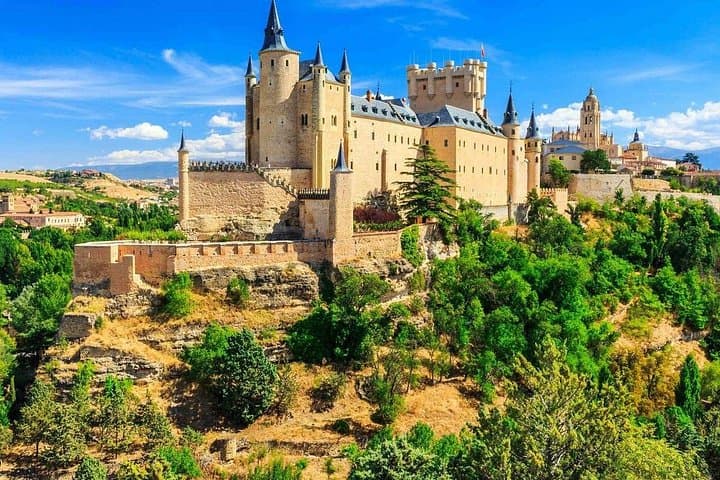
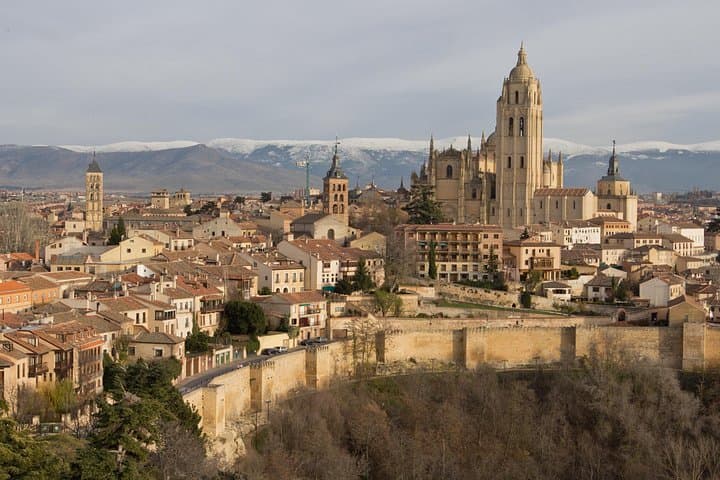
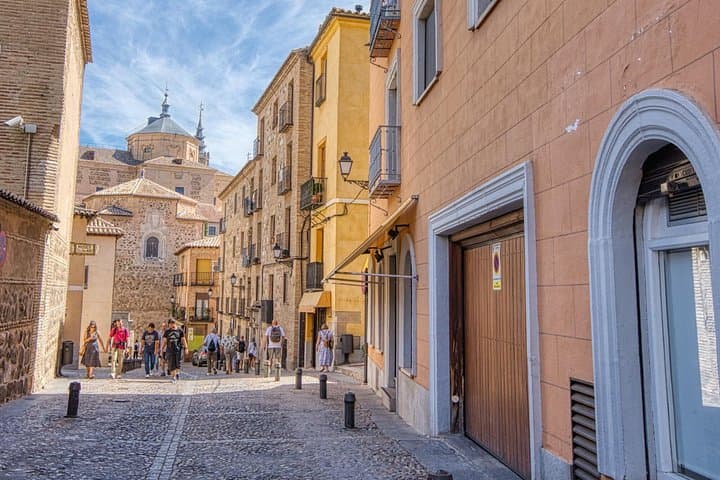
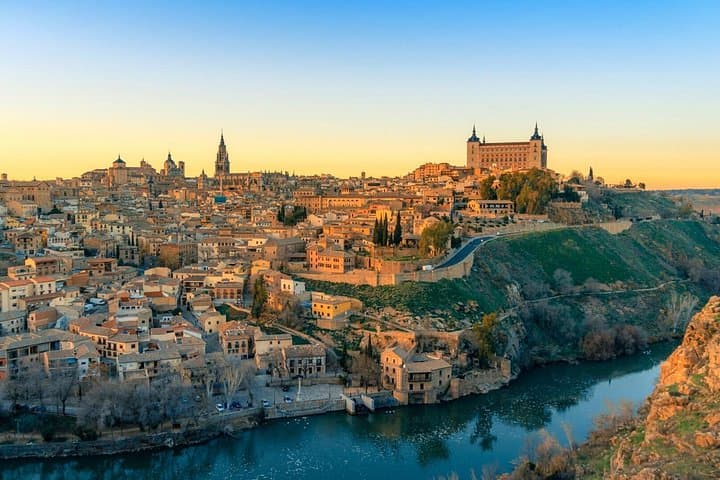
You step onto the van at dawn in Madrid and the city’s hum falls away as the road cuts through Castile’s open plains. In Segovia the Roman aqueduct rises like a stone eyebrow above narrow streets; the Alcázar perches where river valleys meet and the air smells faintly of roasted chestnuts and baking stone. Later, Ávila’s crenellated walls loom—thick, walkable ramparts that still record medieval lines of defense. By late afternoon Toledo’s hilltop profile tightens: a jumble of churches, synagogues and mosques folded into alleys that slope toward the Tagus.
You step onto the van at dawn in Madrid and the city’s hum falls away as the road cuts through Castile’s open plains. In Segovia the Roman aqueduct rises like a stone eyebrow above narrow streets; the Alcázar perches where river valleys meet and the air smells faintly of roasted chestnuts and baking stone. Later, Ávila’s crenellated walls loom—thick, walkable ramparts that still record medieval lines of defense. By late afternoon Toledo’s hilltop profile tightens: a jumble of churches, synagogues and mosques folded into alleys that slope toward the Tagus.
These three cities trace layers of Iberian history—Roman engineering in Segovia, medieval monastic and defensive architecture in Ávila, and Toledo’s centuries-long convivencia of Christian, Jewish and Muslim cultures. Geologically, the plateau of Castile is a high plain of sedimentary rock and river valleys that shaped trade routes and fortress sites. Cultural markers include Segovia’s culinary roast suckling pig, Ávila’s links to Saint Teresa, and Toledo’s historic swordsmithing and damascene metalwork.
Practical guidance: expect a long day—about 11 hours—with substantial walking on uneven cobbles and stairs. Dress in supportive shoes, layer for variable temperatures, and carry water and a portable charger; guided entrances (Alcázar included) are part of the itinerary but some sites have limited restroom access. Bring ID for entrance lists and arrive in Madrid with a plan for evening transport back to your lodging. Timing matters—start early to avoid midday crowds in each center and save energy for Toledo’s steep lanes. This itinerary is ideal for travelers wanting concentrated cultural mileage with efficient ground transport and guided context.