THE ADVENTURE COLLECTIVE® · Independent discovery and booking for outdoor travel

Drive from Las Vegas into the sharp, otherworldly geometry of Death Valley in a single long day. Visit Rhyolite’s ghost streets and stand on the salt crust of Badwater Basin while guides unpack the geology and history behind the spectacle.
Drive from Las Vegas into the sharp, otherworldly geometry of Death Valley in a single long day. Visit Rhyolite’s ghost streets and stand on the salt crust of Badwater Basin while guides unpack the geology and history behind the spectacle.
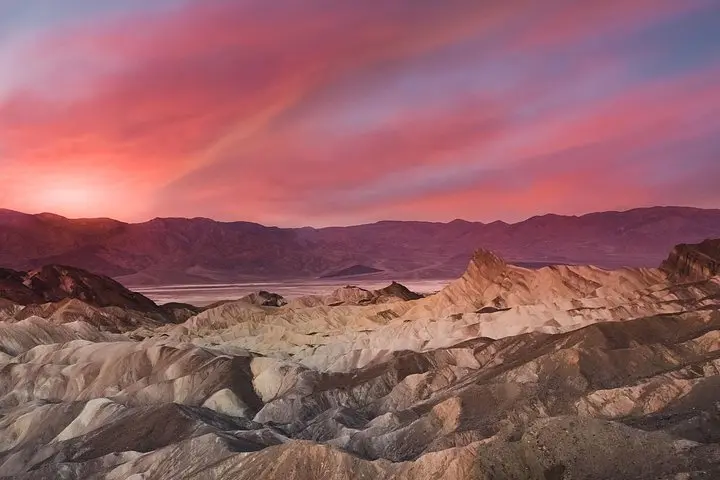
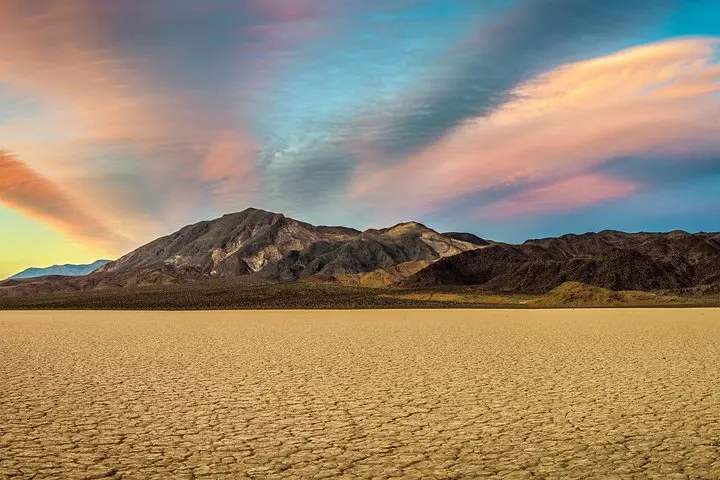
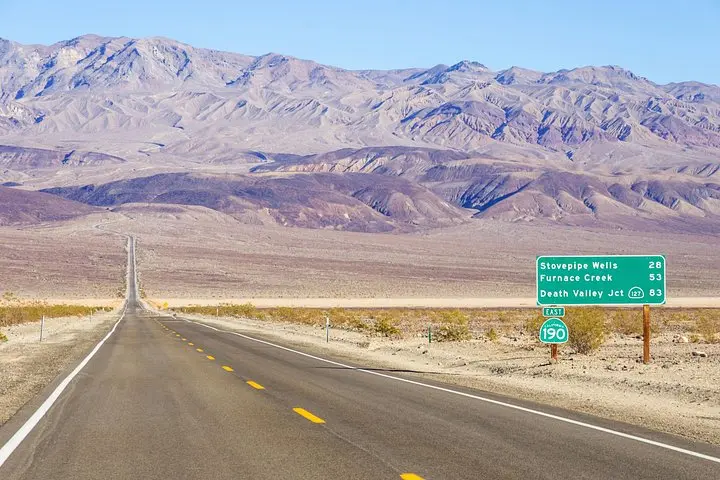
You step out of the van into a heat that seems to rearrange the air—sharp, clean, and undeniable. The road behind you is a thin gray ribbon; ahead, badlands peel away in ridged fans, salt flats glare white under the sun, and a wind pushes the dust like an impatient guide. On a full-day tour from Las Vegas, you move through a California landscape that insists on being observed slowly: the hush of salt crusts at Badwater Basin, the buttery striations of Zabriskie Point, and the abrupt color of Artists Palette where volcanic minerals stain the hills.
Verified experiences and guided adventures in the surrounding area.
Operated by Skyline Expeditions · Furnace Creek, California
You step out of the van into a heat that seems to rearrange the air—sharp, clean, and undeniable. The road behind you is a thin gray ribbon; ahead, badlands peel away in ridged fans, salt flats glare white under the sun, and a wind pushes the dust like an impatient guide. On a full-day tour from Las Vegas, you move through a California landscape that insists on being observed slowly: the hush of salt crusts at Badwater Basin, the buttery striations of Zabriskie Point, and the abrupt color of Artists Palette where volcanic minerals stain the hills.
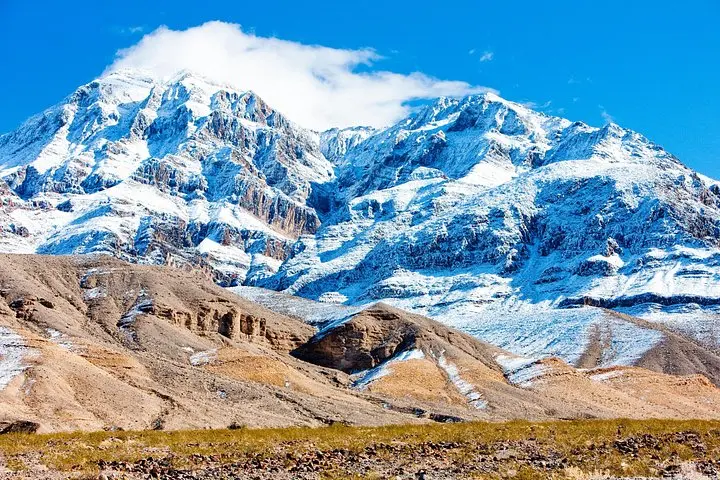
Death Valley’s strange geography is the product of extremes. Tectonic forces that raised the Panamint Range also dropped the valley floor, creating one of North America’s lowest points. The park’s salts and minerals are leftovers of prehistoric lakes and volcanic episodes; colors here are geological footnotes written in iron, clay and chlorite.
Human history is porous here. Harmony Borax Works and the ghostly skeletons of Rhyolite tell a short, fierce story of boom-and-bust extraction. Rhyolite sprang up during a gold rush and collapsed within a dozen years—its Bottle House and skeletal bank remain as reminders of industrious optimism and harsh economics.
Culturally, this is Mojave country: small towns like Beatty and Furnace Creek sit at the park’s edges, offering the few services that preserve the fragile interior. Guides on the tour bridge three things—history, geology and practical safety—pointing out salt polygons while reminding you why water matters in these landscapes.
Practical guidance: the itinerary is long—expect a 10–11 hour day with multiple short stops and some flat, easy walking at viewpoints. Temperatures can climb quickly; the operator adjusts departure earlier in summer to avoid the worst heat. Wear sturdy walking shoes that can handle salt crusts and compacted sand, use sunscreen and a wide-brim hat, and carry at least 2 liters of water (the tour provides bottled water, but bring extras if you’re prone to heavy sweating).
For photographers: early morning or late afternoon brings the best shadows across the badlands and salt flats; midday can flatten color but reveals the stark contrasts of the landscape. Give yourself time at Zabriskie Point and Badwater Basin—both are short walks from parking, but each rewards patients with wide, cinematic views.
This tour is accessible to most fitness levels but not recommended for travelers with serious spine or cardiovascular issues. It’s a traveling education in how fragile deserts are: stick to trails, pack out trash, and respect historic structures. If you want the easiest exposure to Death Valley’s extremes in one day—geology, ghost town lore, and stark desert beauty—this route is a tightly paced, well-signposted way to see it.
Pickup times vary by season; expect earlier departures in summer—confirm the time the day prior when the operator reconfirms logistics.
A national park permit is included as part of the tour, so you won’t need to pay entrance at the gate separately.
Mostly short, flat walks (5–30 minutes) at viewpoints—no long hikes are required, making it accessible to most fitness levels.
Some viewpoints have short paved segments but many sites are uneven; contact the operator to discuss accessibility for specific needs.
Expect hot, dry days in summer, but cooler mornings and evenings in winter—dress in layers and bring sun protection year-round.
Yes—there are restroom facilities at several stops and at staging areas, but facilities in the park are basic; plan accordingly.
Skyline Expeditions operates guided outdoor trips and adventures with an emphasis on safety, stewardship, and memorable experiences.
You step out of the van into a heat that seems to rearrange the air—sharp, clean, and undeniable. The road behind you is a thin gray ribbon; ahead, badlands peel away in ridged fans, salt flats glare white under the sun, and a wind pushes the dust like an impatient guide. On a full-day tour from Las Vegas, you move through a California landscape that insists on being observed slowly: the hush of salt crusts at Badwater Basin, the buttery striations of Zabriskie Point, and the abrupt color of Artists Palette where volcanic minerals stain the hills.
You step out of the van into a heat that seems to rearrange the air—sharp, clean, and undeniable. The road behind you is a thin gray ribbon; ahead, badlands peel away in ridged fans, salt flats glare white under the sun, and a wind pushes the dust like an impatient guide. On a full-day tour from Las Vegas, you move through a California landscape that insists on being observed slowly: the hush of salt crusts at Badwater Basin, the buttery striations of Zabriskie Point, and the abrupt color of Artists Palette where volcanic minerals stain the hills.
Death Valley’s strange geography is the product of extremes. Tectonic forces that raised the Panamint Range also dropped the valley floor, creating one of North America’s lowest points. The park’s salts and minerals are leftovers of prehistoric lakes and volcanic episodes; colors here are geological footnotes written in iron, clay and chlorite.
Human history is porous here. Harmony Borax Works and the ghostly skeletons of Rhyolite tell a short, fierce story of boom-and-bust extraction. Rhyolite sprang up during a gold rush and collapsed within a dozen years—its Bottle House and skeletal bank remain as reminders of industrious optimism and harsh economics.
Culturally, this is Mojave country: small towns like Beatty and Furnace Creek sit at the park’s edges, offering the few services that preserve the fragile interior. Guides on the tour bridge three things—history, geology and practical safety—pointing out salt polygons while reminding you why water matters in these landscapes.
Practical guidance: the itinerary is long—expect a 10–11 hour day with multiple short stops and some flat, easy walking at viewpoints. Temperatures can climb quickly; the operator adjusts departure earlier in summer to avoid the worst heat. Wear sturdy walking shoes that can handle salt crusts and compacted sand, use sunscreen and a wide-brim hat, and carry at least 2 liters of water (the tour provides bottled water, but bring extras if you’re prone to heavy sweating).
For photographers: early morning or late afternoon brings the best shadows across the badlands and salt flats; midday can flatten color but reveals the stark contrasts of the landscape. Give yourself time at Zabriskie Point and Badwater Basin—both are short walks from parking, but each rewards patients with wide, cinematic views.
This tour is accessible to most fitness levels but not recommended for travelers with serious spine or cardiovascular issues. It’s a traveling education in how fragile deserts are: stick to trails, pack out trash, and respect historic structures. If you want the easiest exposure to Death Valley’s extremes in one day—geology, ghost town lore, and stark desert beauty—this route is a tightly paced, well-signposted way to see it.