THE ADVENTURE COLLECTIVE® · Independent discovery and booking for outdoor travel

Spend a single, full day touring Târgoviște, Poenari Castle, Bran Castle and Snagov Monastery on a private drive from Bucharest. This route combines real medieval sites tied to Vlad Țepeș with the folklore that fuels Dracula tourism—expect stairs, mountain roads, and quiet island monasteries.
Spend a single, full day touring Târgoviște, Poenari Castle, Bran Castle and Snagov Monastery on a private drive from Bucharest. This route combines real medieval sites tied to Vlad Țepeș with the folklore that fuels Dracula tourism—expect stairs, mountain roads, and quiet island monasteries.
You step into a long day before dawn in Bucharest, the city’s rumble shrinking as the minibus threads north toward the Carpathians. Winded lanes give way to beech forests and, eventually, the skeletal stairway up to Poenari Castle—1480 steps that force a slow, deliberate pace and reward you with a raw, cliffside ruin and river valley views.
Verified experiences and guided adventures in the surrounding area.
Operated by Romania Driver and Guide · Bucharest, Bucharest
You step into a long day before dawn in Bucharest, the city’s rumble shrinking as the minibus threads north toward the Carpathians. Winded lanes give way to beech forests and, eventually, the skeletal stairway up to Poenari Castle—1480 steps that force a slow, deliberate pace and reward you with a raw, cliffside ruin and river valley views.
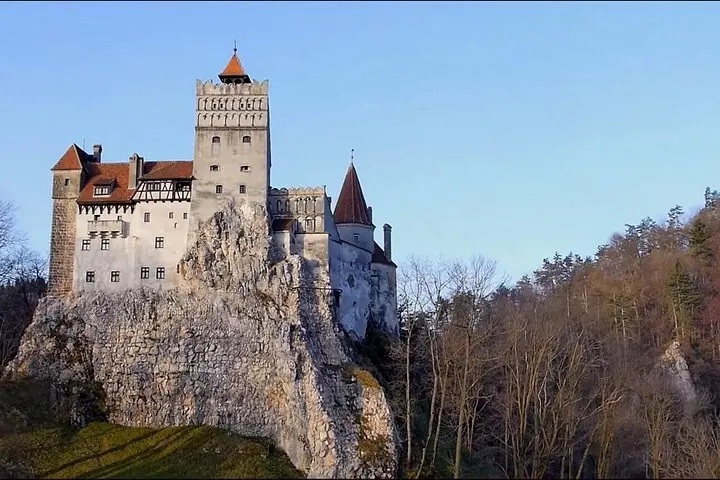
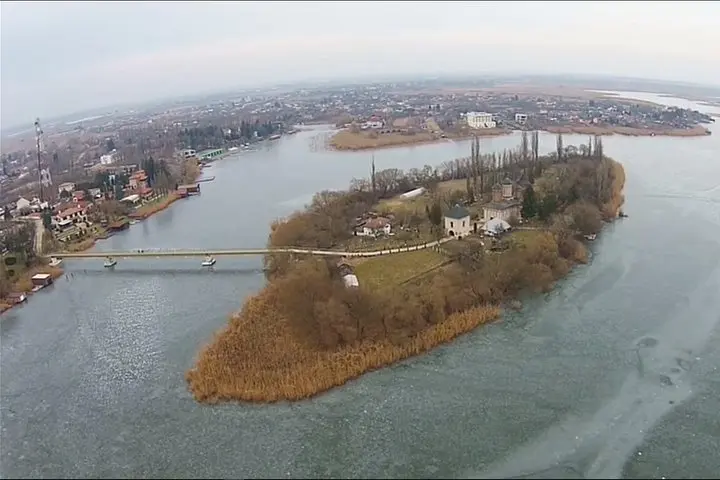
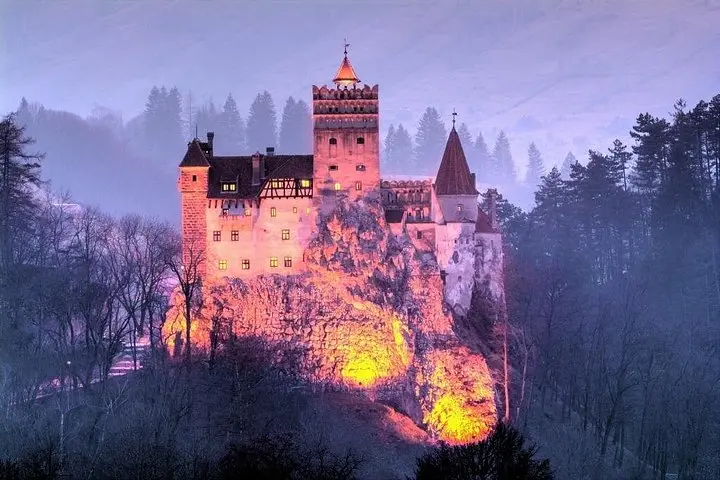
This circuit stitches together medieval politics and folklore. Târgoviște’s princely court and Chindia Tower trace Wallachia’s seat of power in the 15th century; Poenari is the real fortress associated with Vlad Țepeș’s rule; Bran Castle holds the Bram Stoker myth in the public imagination but little direct link to Stoker or Vlad; Snagov Monastery sits on a quiet island long rumored to hold Vlad’s tomb. Geology shifts from river-cut gorges at Poenari to the rounded limestone and forested ridges as you cross the Southern Carpathians toward Bran.
Culturally, expect Orthodox churches, roadside vendors selling smoked cheeses and sarmale, and a guide who threads history with oral legend. Practically: it’s a 14–15 hour private tour with long drives—wear supportive shoes, bring water, and plan for steep, uneven stone at ruins. Timing matters: early arrival at Bran avoids coach crowds; ascending Poenari is best mid-morning to avoid afternoon heat. Respect monastery protocol at Snagov: quiet voices and covered shoulders. If you want to slow the pace, ask to shorten a stop and linger at a lake-side café—this route is private and flexible, but physically and logistically demanding. Pack patience and a charged camera; the landscape is as much the attraction as the vampire stories.
Expect multiple short walks and one strenuous climb of 1,480 steps at Poenari; other stops involve museum rooms and short courtyard walks.
Entrances are typically not included—bring local currency or card to pay museum and monastery admission as needed.
The tour is private and physically flexible, but Poenari’s stairs and long drives can be challenging for very young children or those with mobility limits.
Yes — the private format allows on-the-day changes, like shortening a stop or spending more time at a particular site, subject to driving time constraints.
Romania Driver and Guide operates guided outdoor trips and adventures with an emphasis on safety, stewardship, and memorable experiences.
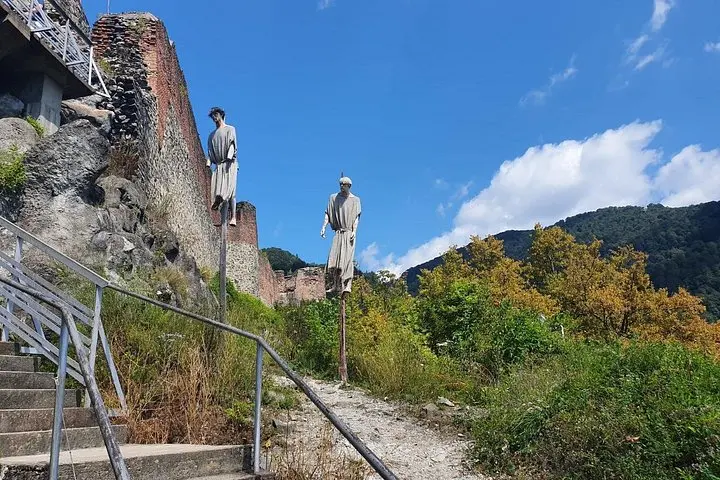
You step into a long day before dawn in Bucharest, the city’s rumble shrinking as the minibus threads north toward the Carpathians. Winded lanes give way to beech forests and, eventually, the skeletal stairway up to Poenari Castle—1480 steps that force a slow, deliberate pace and reward you with a raw, cliffside ruin and river valley views.
You step into a long day before dawn in Bucharest, the city’s rumble shrinking as the minibus threads north toward the Carpathians. Winded lanes give way to beech forests and, eventually, the skeletal stairway up to Poenari Castle—1480 steps that force a slow, deliberate pace and reward you with a raw, cliffside ruin and river valley views.
This circuit stitches together medieval politics and folklore. Târgoviște’s princely court and Chindia Tower trace Wallachia’s seat of power in the 15th century; Poenari is the real fortress associated with Vlad Țepeș’s rule; Bran Castle holds the Bram Stoker myth in the public imagination but little direct link to Stoker or Vlad; Snagov Monastery sits on a quiet island long rumored to hold Vlad’s tomb. Geology shifts from river-cut gorges at Poenari to the rounded limestone and forested ridges as you cross the Southern Carpathians toward Bran.
Culturally, expect Orthodox churches, roadside vendors selling smoked cheeses and sarmale, and a guide who threads history with oral legend. Practically: it’s a 14–15 hour private tour with long drives—wear supportive shoes, bring water, and plan for steep, uneven stone at ruins. Timing matters: early arrival at Bran avoids coach crowds; ascending Poenari is best mid-morning to avoid afternoon heat. Respect monastery protocol at Snagov: quiet voices and covered shoulders. If you want to slow the pace, ask to shorten a stop and linger at a lake-side café—this route is private and flexible, but physically and logistically demanding. Pack patience and a charged camera; the landscape is as much the attraction as the vampire stories.