THE ADVENTURE COLLECTIVE® · Independent discovery and booking for outdoor travel

Spend a full day exploring Gauja National Park’s top sights: Turaida Castle viewpoints, Krimulda manor area and 8–12 km of forest trails. This guided small-group tour pairs geology and local history with practical hiking on mixed terrain.
Spend a full day exploring Gauja National Park’s top sights: Turaida Castle viewpoints, Krimulda manor area and 8–12 km of forest trails. This guided small-group tour pairs geology and local history with practical hiking on mixed terrain.
You step out of the van with cold air pressing at your collar and a ribbon of the Gauja River cutting the valley below. Pine and birch line the trails; moss cushions your boots and a distant bell from a manor garden counts the hour. For the next day the park’s cliffs, river meanders and medieval stone will set the pace.
Verified experiences and guided adventures in the surrounding area.
Operated by Baltic Nature Adventures · Sigulda, Vidzeme
You step out of the van with cold air pressing at your collar and a ribbon of the Gauja River cutting the valley below. Pine and birch line the trails; moss cushions your boots and a distant bell from a manor garden counts the hour. For the next day the park’s cliffs, river meanders and medieval stone will set the pace.
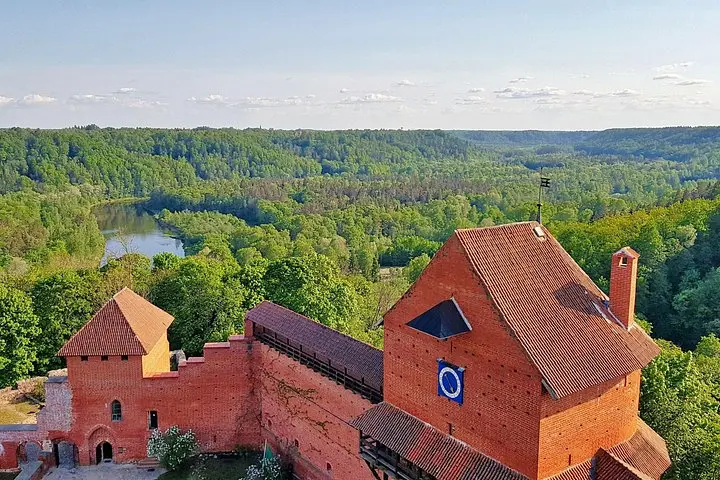
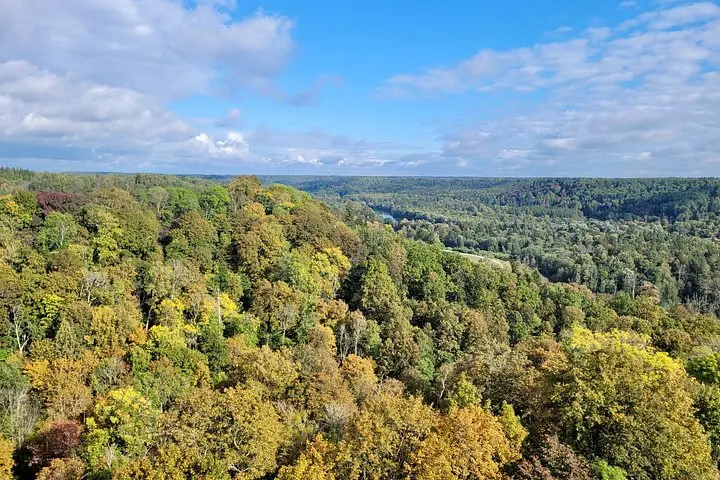
Gauja National Park—Latvia’s largest protected area, created in 1973—rests on Devonian sandstone that sculpts cliffs and caves along the river. Turaida Castle, rebuilt from medieval foundations, overlooks a valley carved over millions of years; nearby Krimulda bears the marks of manors and rehabilitation centres that shaped local life. Guides weave Livonian and Latvian stories into the landscape, explaining how forests once supplied tar, and how river transport shaped settlement patterns.
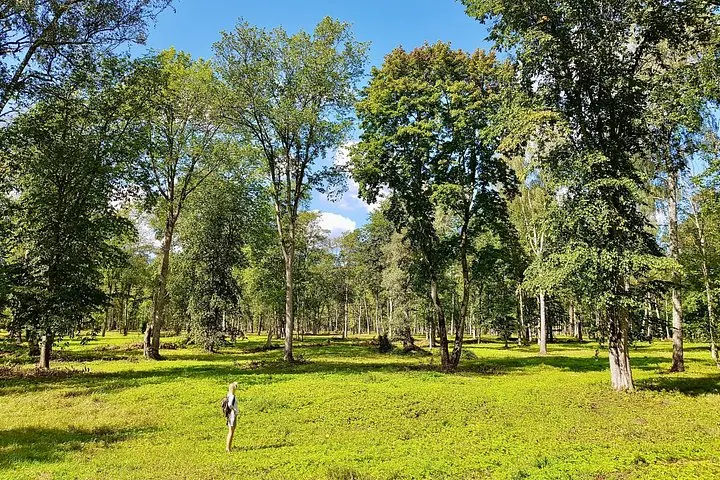
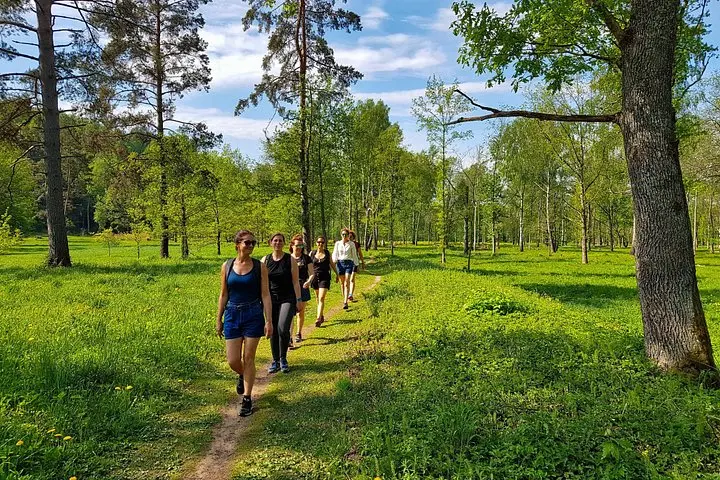
The program covers 8–12 km of walking on mixed packed-earth paths, boardwalks and occasional rocky sections; elevation gain is moderate on lookout approaches but nothing technical. Expect a 8-hour day with hotel transfer from Riga, small groups (max 8) and a professional eco-tour leader. Pack sturdy shoes, layered weatherproof clothing and water; spring and autumn can be muddy, summer brings long daylight, winter tins the riverbanks with frost. Respect fragile bog edges and follow marked trails to protect nesting birds and historic ruins.
Practical notes: bring a packed lunch or buy a local sandwich in Sigulda, carry cash for small entry fees and plan for variable weather. The day delivers geology, living history and quiet forest time—an efficient, readable introduction to Gauja’s best features for hikers who like context with their views.
The guided day includes 8–12 km of walking spread across viewpoints and trails and runs about 8 hours including transfers and stops.
Yes—routes are non-technical and suitable for most fitness levels, but the tour isn’t recommended for those with serious back or heart conditions.
Entry to Turaida Museum Reserve is included; other small site or refreshment costs may not be covered—carry some cash.
Yes, the tour offers transfer from/to central Riga hotels; specific pickup points are confirmed at booking.
Baltic Nature Adventures operates guided outdoor trips and adventures with an emphasis on safety, stewardship, and memorable experiences.
You step out of the van with cold air pressing at your collar and a ribbon of the Gauja River cutting the valley below. Pine and birch line the trails; moss cushions your boots and a distant bell from a manor garden counts the hour. For the next day the park’s cliffs, river meanders and medieval stone will set the pace.
You step out of the van with cold air pressing at your collar and a ribbon of the Gauja River cutting the valley below. Pine and birch line the trails; moss cushions your boots and a distant bell from a manor garden counts the hour. For the next day the park’s cliffs, river meanders and medieval stone will set the pace.
Gauja National Park—Latvia’s largest protected area, created in 1973—rests on Devonian sandstone that sculpts cliffs and caves along the river. Turaida Castle, rebuilt from medieval foundations, overlooks a valley carved over millions of years; nearby Krimulda bears the marks of manors and rehabilitation centres that shaped local life. Guides weave Livonian and Latvian stories into the landscape, explaining how forests once supplied tar, and how river transport shaped settlement patterns.
The program covers 8–12 km of walking on mixed packed-earth paths, boardwalks and occasional rocky sections; elevation gain is moderate on lookout approaches but nothing technical. Expect a 8-hour day with hotel transfer from Riga, small groups (max 8) and a professional eco-tour leader. Pack sturdy shoes, layered weatherproof clothing and water; spring and autumn can be muddy, summer brings long daylight, winter tins the riverbanks with frost. Respect fragile bog edges and follow marked trails to protect nesting birds and historic ruins.
Practical notes: bring a packed lunch or buy a local sandwich in Sigulda, carry cash for small entry fees and plan for variable weather. The day delivers geology, living history and quiet forest time—an efficient, readable introduction to Gauja’s best features for hikers who like context with their views.