THE ADVENTURE COLLECTIVE® · Independent discovery and booking for outdoor travel

Explore Gyeongju’s Silla-era wonders in a single day: Bulguksa’s terraces, Seokguram’s grotto, Cheomseongdae observatory and royal tombs. This tour blends accessible walking with deep cultural context and flexible pickup from Busan.
Explore Gyeongju’s Silla-era wonders in a single day: Bulguksa’s terraces, Seokguram’s grotto, Cheomseongdae observatory and royal tombs. This tour blends accessible walking with deep cultural context and flexible pickup from Busan.
You step out of the van and into a landscape that still moves at Silla pace: low stone walls, rice-paper roofs, and a line of pines that lean toward the sea as if listening for ships. Light falls across Bulguksa’s stone terraces; the pagodas throw precise shadows that have stood for a thousand years.
Verified experiences and guided adventures in the surrounding area.
Operated by Frank Yi · Gyeongju, North Gyeongsang Province
You step out of the van and into a landscape that still moves at Silla pace: low stone walls, rice-paper roofs, and a line of pines that lean toward the sea as if listening for ships. Light falls across Bulguksa’s stone terraces; the pagodas throw precise shadows that have stood for a thousand years.
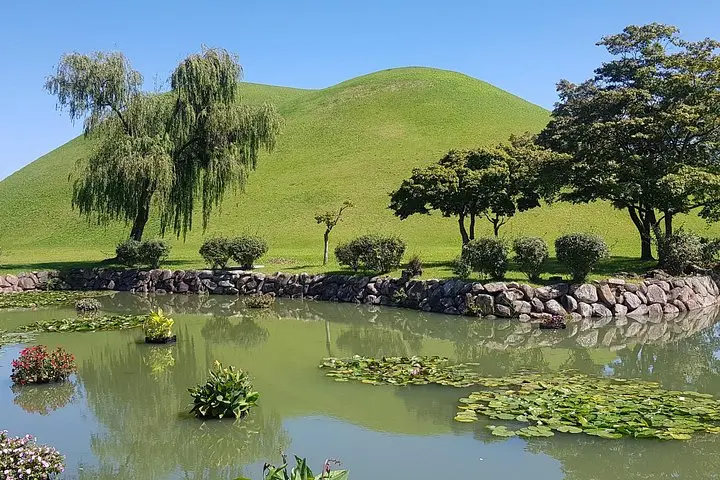
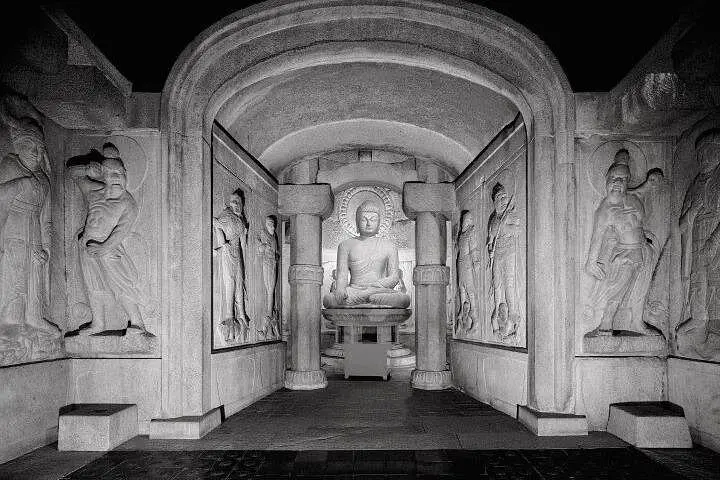
Gyeongju was the Silla capital from 57 BC to 935 AD — a political and cultural hub whose monuments reveal sophisticated masonry, Buddhist art and early astronomical science. Seokguram’s granite grotto houses a seated Buddha that faces the horizon; Cheomseongdae, a compact stone observatory from Queen Seondeok’s era, encodes days and rulers in its stacked stones. Around town, burial mounds at Daereungwon and the reconstructed Donggung Palace pond trace funerary practice and courtly life.
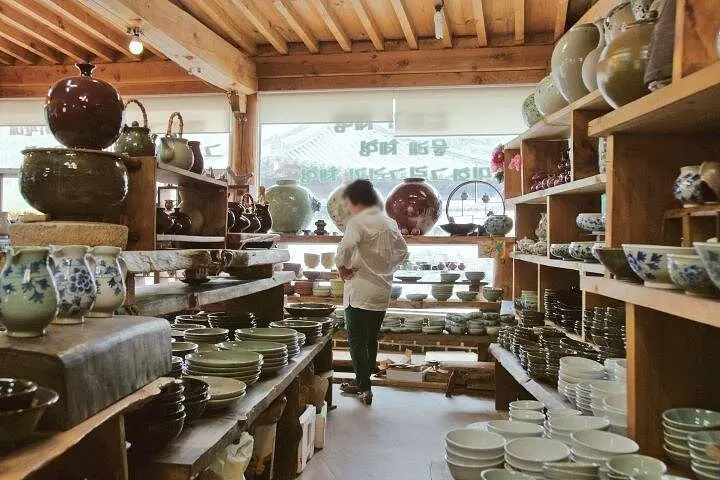
These sites sit on older geological foundations — sedimentary plains shaped by marine and riverine deposits — which made Gyeongju fertile ground for early settlement and ritual landscapes. Modern Gyeongju mixes craft villages and small lakelands (Bomun) where local artisans keep traditional hanbok, pottery and jewel-making alive.
Practical guidance: this is a full, mostly low-impact day of walking and short climbs on stone steps and paved paths. Bring layered clothing, comfortable walking shoes with good grip for temple steps, sun protection, and cash for small entrance fees and local snacks. Schedule the route to hit Bulguksa mid-morning to avoid crowds, and plan an evening stop at Wolji Pond if time allows — the site’s lights and reflections are a quiet close to a busy historical day.
The tour runs about 8–10 hours; most departures include round-trip transport from Busan with an option to be dropped in Gyeongju at the end.
Entrance fees are typically paid on-site; the tour covers transport, guide, and some amenities but museum and temple admissions are usually extra.
The tour is broadly accessible, but some historic sites have stone steps and uneven surfaces; notify the operator for wheelchair-accessible transport and adjustments.
Yes — the published route is flexible and guides commonly adjust stops and timing to match group interests and pace.
Frank Yi operates guided outdoor trips and adventures with an emphasis on safety, stewardship, and memorable experiences.
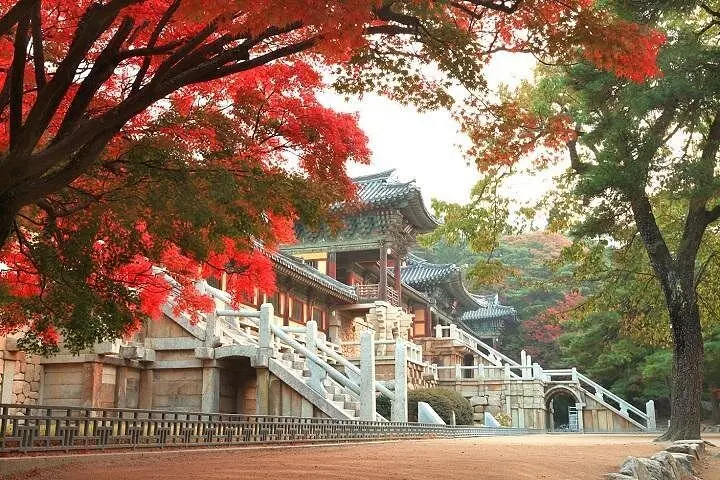
You step out of the van and into a landscape that still moves at Silla pace: low stone walls, rice-paper roofs, and a line of pines that lean toward the sea as if listening for ships. Light falls across Bulguksa’s stone terraces; the pagodas throw precise shadows that have stood for a thousand years.
You step out of the van and into a landscape that still moves at Silla pace: low stone walls, rice-paper roofs, and a line of pines that lean toward the sea as if listening for ships. Light falls across Bulguksa’s stone terraces; the pagodas throw precise shadows that have stood for a thousand years.
Gyeongju was the Silla capital from 57 BC to 935 AD — a political and cultural hub whose monuments reveal sophisticated masonry, Buddhist art and early astronomical science. Seokguram’s granite grotto houses a seated Buddha that faces the horizon; Cheomseongdae, a compact stone observatory from Queen Seondeok’s era, encodes days and rulers in its stacked stones. Around town, burial mounds at Daereungwon and the reconstructed Donggung Palace pond trace funerary practice and courtly life.
These sites sit on older geological foundations — sedimentary plains shaped by marine and riverine deposits — which made Gyeongju fertile ground for early settlement and ritual landscapes. Modern Gyeongju mixes craft villages and small lakelands (Bomun) where local artisans keep traditional hanbok, pottery and jewel-making alive.
Practical guidance: this is a full, mostly low-impact day of walking and short climbs on stone steps and paved paths. Bring layered clothing, comfortable walking shoes with good grip for temple steps, sun protection, and cash for small entrance fees and local snacks. Schedule the route to hit Bulguksa mid-morning to avoid crowds, and plan an evening stop at Wolji Pond if time allows — the site’s lights and reflections are a quiet close to a busy historical day.