THE ADVENTURE COLLECTIVE® · Independent discovery and booking for outdoor travel

Condense the classic Inca Trail into a single, high-altitude day: ridge climbs through cloud forest, visits to Chachabamba and Wiñay Wayna, and the emotional reveal at Inti Punku before touring Machu Picchu. Prepare for steep stone steps, variable weather, and the effects of altitude.
Condense the classic Inca Trail into a single, high-altitude day: ridge climbs through cloud forest, visits to Chachabamba and Wiñay Wayna, and the emotional reveal at Inti Punku before touring Machu Picchu. Prepare for steep stone steps, variable weather, and the effects of altitude.
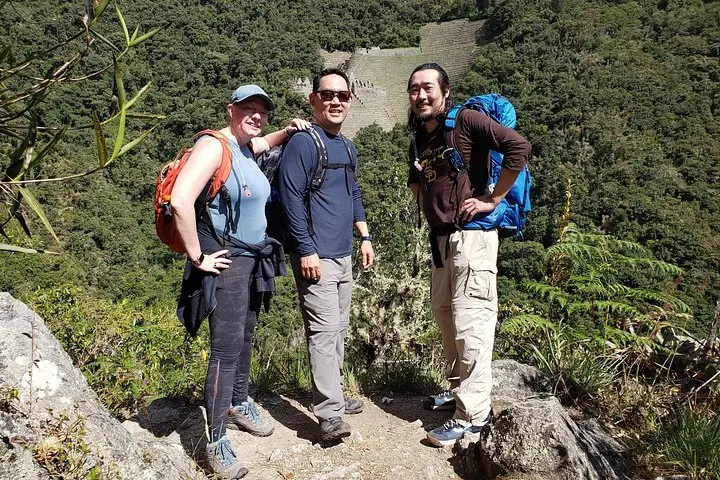
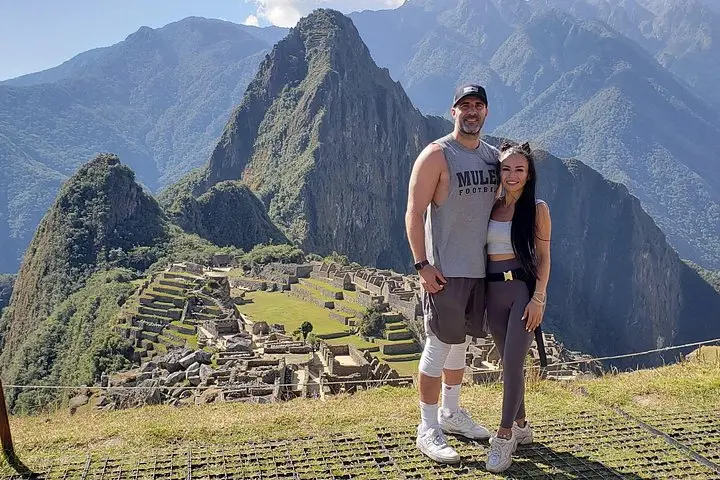
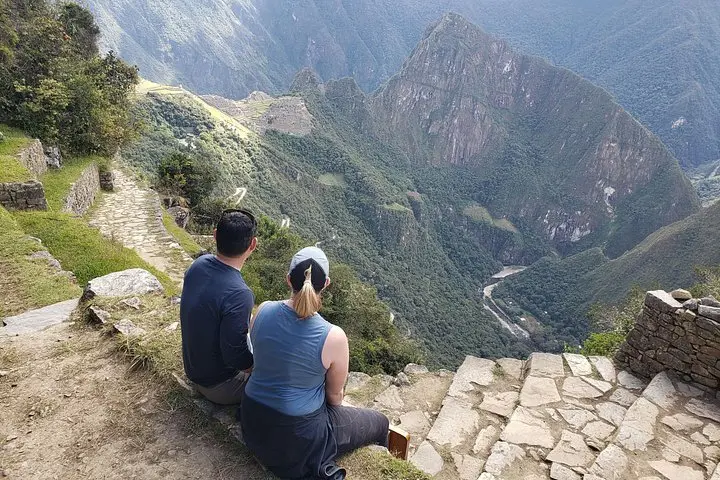
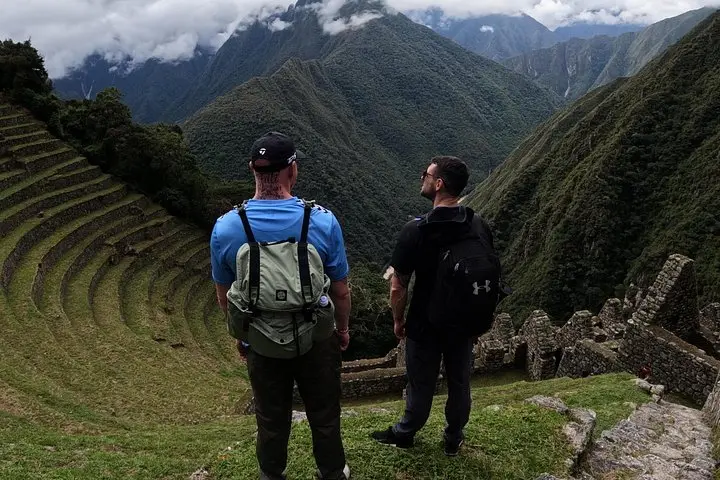
Dawn edges across Andean ridgelines as a small band of hikers steps from the railway at Km 104 and onto stone worn by centuries of footsteps. The trail climbs through cloud forest—ferns and bromeliads drip with early mist—then slips between terraces and low stone walls that once guided Inca pilgrims toward the sacred city. By late afternoon the Sun Gate opens its frame: Machu Picchu appears below, carved into the mountain as if someone cut a city from the rock.
Verified experiences and guided adventures in the surrounding area.
Operated by Incatrekkers Day Tours · Machu Picchu, Cusco
Dawn edges across Andean ridgelines as a small band of hikers steps from the railway at Km 104 and onto stone worn by centuries of footsteps. The trail climbs through cloud forest—ferns and bromeliads drip with early mist—then slips between terraces and low stone walls that once guided Inca pilgrims toward the sacred city. By late afternoon the Sun Gate opens its frame: Machu Picchu appears below, carved into the mountain as if someone cut a city from the rock.
The path follows a route tied to Incan logistics and astronomy; sites like Chachabamba and Wiñay Wayna show how the Incas combined engineering, agriculture, and ritual along transit corridors. Geologically the trail threads steep, young Andes composed of folded sedimentary layers and volcanic intrusions; frequent rainfall shapes narrow gullies and moss-slick steps. The culture you encounter is Quechua-influenced—local guides translate place names and explain terraces, irrigation channels, and agricultural alignments.
Practically, expect an 8‑hour day with a sustained uphill to Inti Punku (Sun Gate), irregular stone steps, and narrow single-track sections. Altitude matters—spend 1–2 days in Cusco to acclimatize. Carry layered rain gear, water, and snacks; the pace is steady and sometimes brisk to meet train schedules. Photography is timed around lighting; sunrise views arrive early, but afternoon light through the gate can be equally dramatic.
This one-day hike condenses the classic route into a demanding, high-reward day: technical skills are minimal but fitness, patience, and respect for site regulations are essential for a safe, memorable arrival at Machu Picchu.
The guided itinerary is typically about 8 hours from Km 104 to Machu Picchu via the Sun Gate, including stops at Chachabamba and Wiñay Wayna.
Guides handle site admissions—Machu Picchu visitation limits apply and operators secure the necessary tickets; book early in high season.
It’s not technical but it's strenuous and at altitude; beginners with good fitness and prior acclimatization can complete it with a guide.
Basic facilities are available at Wiñay Wayna and Aguas Calientes; bring snacks and a packed lunch is typically provided by the operator.
Incatrekkers Day Tours operates guided outdoor trips and adventures with an emphasis on safety, stewardship, and memorable experiences.
Dawn edges across Andean ridgelines as a small band of hikers steps from the railway at Km 104 and onto stone worn by centuries of footsteps. The trail climbs through cloud forest—ferns and bromeliads drip with early mist—then slips between terraces and low stone walls that once guided Inca pilgrims toward the sacred city. By late afternoon the Sun Gate opens its frame: Machu Picchu appears below, carved into the mountain as if someone cut a city from the rock.
Dawn edges across Andean ridgelines as a small band of hikers steps from the railway at Km 104 and onto stone worn by centuries of footsteps. The trail climbs through cloud forest—ferns and bromeliads drip with early mist—then slips between terraces and low stone walls that once guided Inca pilgrims toward the sacred city. By late afternoon the Sun Gate opens its frame: Machu Picchu appears below, carved into the mountain as if someone cut a city from the rock.
The path follows a route tied to Incan logistics and astronomy; sites like Chachabamba and Wiñay Wayna show how the Incas combined engineering, agriculture, and ritual along transit corridors. Geologically the trail threads steep, young Andes composed of folded sedimentary layers and volcanic intrusions; frequent rainfall shapes narrow gullies and moss-slick steps. The culture you encounter is Quechua-influenced—local guides translate place names and explain terraces, irrigation channels, and agricultural alignments.
Practically, expect an 8‑hour day with a sustained uphill to Inti Punku (Sun Gate), irregular stone steps, and narrow single-track sections. Altitude matters—spend 1–2 days in Cusco to acclimatize. Carry layered rain gear, water, and snacks; the pace is steady and sometimes brisk to meet train schedules. Photography is timed around lighting; sunrise views arrive early, but afternoon light through the gate can be equally dramatic.
This one-day hike condenses the classic route into a demanding, high-reward day: technical skills are minimal but fitness, patience, and respect for site regulations are essential for a safe, memorable arrival at Machu Picchu.