THE ADVENTURE COLLECTIVE® · Independent discovery and booking for outdoor travel

Spend a day moving between Kathmandu’s most sacred sites—Durbar Square, Pashupatinath, Boudhanath and Budhanilkantha—guided by ritual, history, and stone-carved detail. Practical tips help you navigate customs, crowds and short walks so you get the most from a single-day pilgrimage.
Spend a day moving between Kathmandu’s most sacred sites—Durbar Square, Pashupatinath, Boudhanath and Budhanilkantha—guided by ritual, history, and stone-carved detail. Practical tips help you navigate customs, crowds and short walks so you get the most from a single-day pilgrimage.
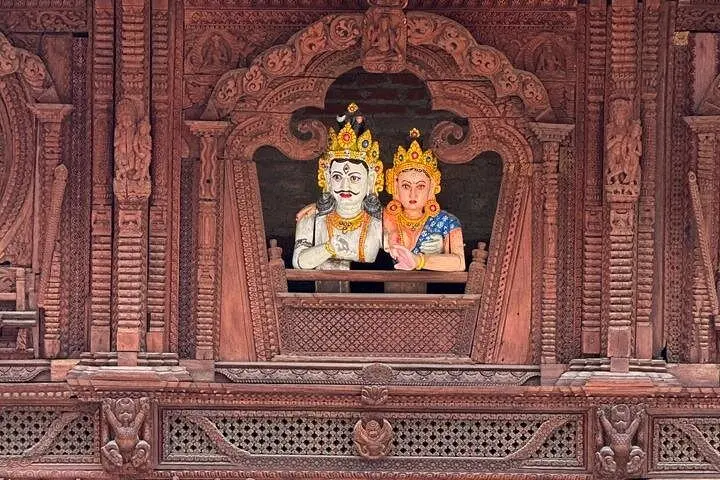
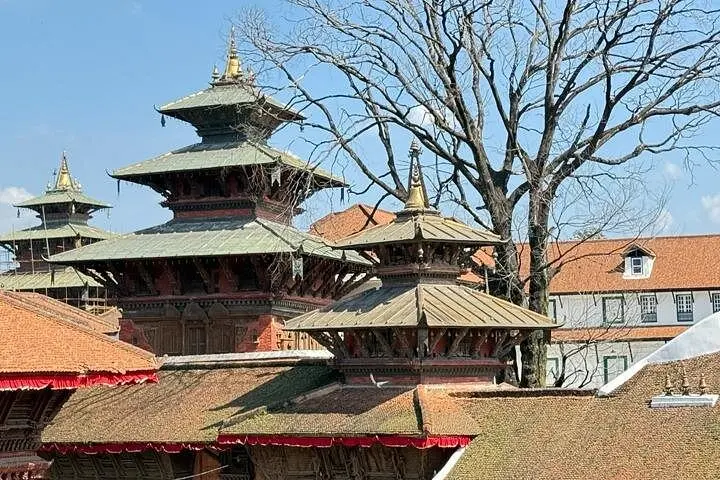
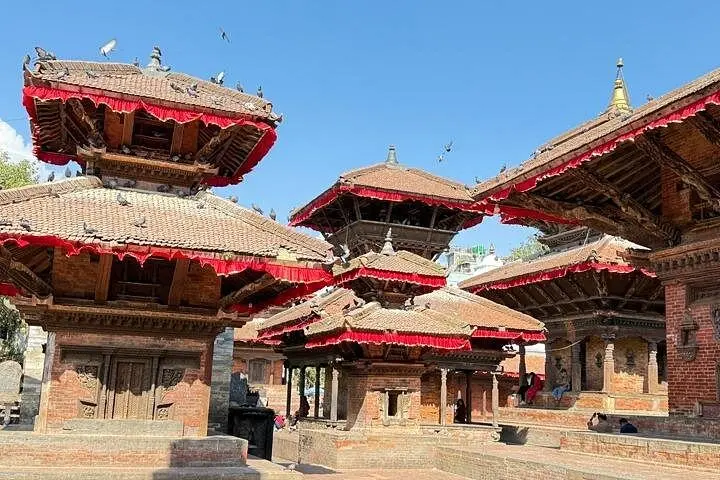
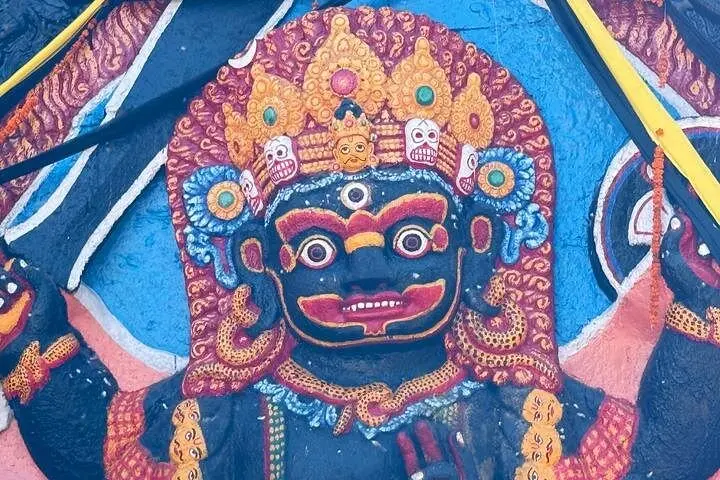
Morning light cuts across brick courtyards as your private vehicle threads traffic toward Durbar Square, the city’s living history. Incense from small shrines lingers in the air, the Bagmati River murmurs like a guide, and temple roofs catch the sun—this is a day built around devotion, ritual, and close-up encounters with Kathmandu’s sacred landmarks.
Verified experiences and guided adventures in the surrounding area.
Operated by Himalayan Advisor Pvt. Ltd. · Kathmandu, Bagmati Province
Morning light cuts across brick courtyards as your private vehicle threads traffic toward Durbar Square, the city’s living history. Incense from small shrines lingers in the air, the Bagmati River murmurs like a guide, and temple roofs catch the sun—this is a day built around devotion, ritual, and close-up encounters with Kathmandu’s sacred landmarks.
The tour links four UNESCO-listed and locally revered sites: the royal courtyards of Kathmandu Durbar Square shaped by Malla and later Licchavi patronage; Pashupatinath, a major Shiva temple complex on the Bagmati where cremation ghats line the river; Boudhanath, one of Asia’s largest stupas and a center for Tibetan Buddhist life; and Budhanilkantha, home to a remarkable reclining Vishnu statue from the Licchavi era.
Geology is subtle here: the valley’s alluvial plain allowed dense settlement and a unique cultural fusion—Hindu and Buddhist practices overlap in daily life and festivals. Expect close quarters, carved stone, and living rituals rather than quiet museum displays.
Practically, this is a full but gentle day: plan 6–8 hours including short walks and time for shoes-off areas, modest dress, and a patient attitude toward crowds and traffic. Bring cash for small donations and puja items, carry water and sun protection, and follow guide directions at restricted shrines. Allow extra time for photography around Boudhanath and for pacing through Pashupatinath’s ghats—both visually intense and emotionally charged.
This itinerary suits travelers looking for cultural immersion without strenuous hiking: it’s a compact, urban pilgrimage that reads like a corridor through Kathmandu’s spiritual geography.
Yes, the tour lists all entrance fees as included in the itinerary, so you won’t need to buy separate tickets at the main sites.
Non-Hindus can view much of the Pashupatinath complex from designated areas, but access to some inner sanctums is restricted to Hindus—follow your guide’s instructions.
You may see the Kumari from the Kumari Ghar window during her scheduled appearances, but sightings aren’t guaranteed and depend on timing and official schedules.
Expect light walking across courtyards, some staircases and short climbs; the tour is classified as easy and suitable for most travelers.
Himalayan Advisor Pvt. Ltd. operates guided outdoor trips and adventures with an emphasis on safety, stewardship, and memorable experiences.
Morning light cuts across brick courtyards as your private vehicle threads traffic toward Durbar Square, the city’s living history. Incense from small shrines lingers in the air, the Bagmati River murmurs like a guide, and temple roofs catch the sun—this is a day built around devotion, ritual, and close-up encounters with Kathmandu’s sacred landmarks.
Morning light cuts across brick courtyards as your private vehicle threads traffic toward Durbar Square, the city’s living history. Incense from small shrines lingers in the air, the Bagmati River murmurs like a guide, and temple roofs catch the sun—this is a day built around devotion, ritual, and close-up encounters with Kathmandu’s sacred landmarks.
The tour links four UNESCO-listed and locally revered sites: the royal courtyards of Kathmandu Durbar Square shaped by Malla and later Licchavi patronage; Pashupatinath, a major Shiva temple complex on the Bagmati where cremation ghats line the river; Boudhanath, one of Asia’s largest stupas and a center for Tibetan Buddhist life; and Budhanilkantha, home to a remarkable reclining Vishnu statue from the Licchavi era.
Geology is subtle here: the valley’s alluvial plain allowed dense settlement and a unique cultural fusion—Hindu and Buddhist practices overlap in daily life and festivals. Expect close quarters, carved stone, and living rituals rather than quiet museum displays.
Practically, this is a full but gentle day: plan 6–8 hours including short walks and time for shoes-off areas, modest dress, and a patient attitude toward crowds and traffic. Bring cash for small donations and puja items, carry water and sun protection, and follow guide directions at restricted shrines. Allow extra time for photography around Boudhanath and for pacing through Pashupatinath’s ghats—both visually intense and emotionally charged.
This itinerary suits travelers looking for cultural immersion without strenuous hiking: it’s a compact, urban pilgrimage that reads like a corridor through Kathmandu’s spiritual geography.