THE ADVENTURE COLLECTIVE® · Independent discovery and booking for outdoor travel

Spend a thoughtful day moving from Hiroshima’s Peace Memorial Park to Miyajima’s famous floating torii. This one-day walking tour blends poignant history with coastal shrine culture and easy coastal trails.
Spend a thoughtful day moving from Hiroshima’s Peace Memorial Park to Miyajima’s famous floating torii. This one-day walking tour blends poignant history with coastal shrine culture and easy coastal trails.
Morning light slides across the still water of the Seto Inland Sea as you stand before Hiroshima’s Atomic Bomb Dome, the skeletal curve of metal and brick insisting on attention.
Verified experiences and guided adventures in the surrounding area.
Operated by H.I.S.Co., Ltd. · Hiroshima, Hiroshima Prefecture
Morning light slides across the still water of the Seto Inland Sea as you stand before Hiroshima’s Atomic Bomb Dome, the skeletal curve of metal and brick insisting on attention.
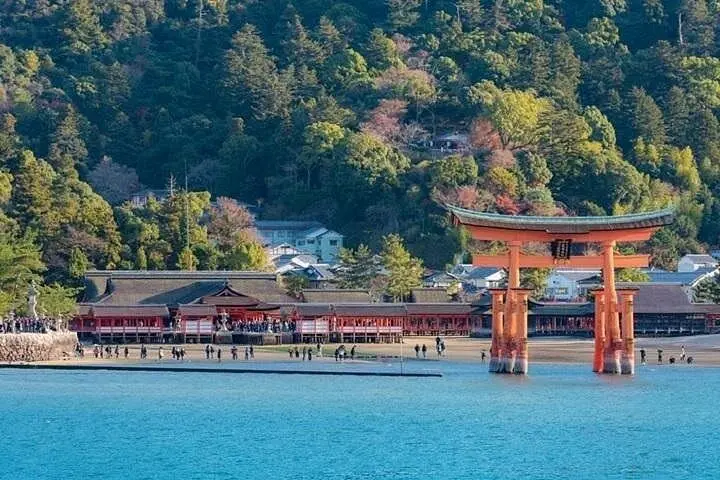
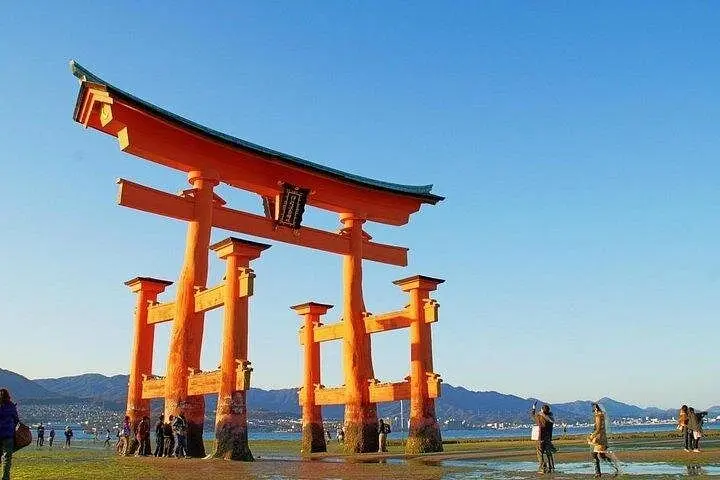
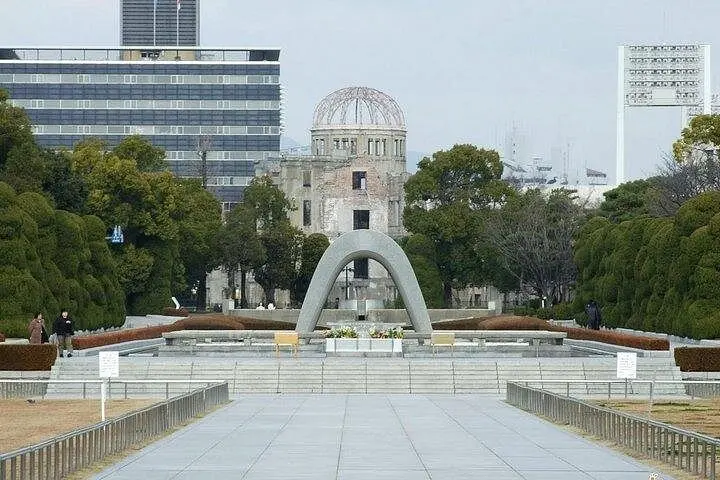
By midday you’re on a short ferry, the sea nudging the hull, headed for Miyajima where the great torii appears to rise from the tide like a guardian. The day moves with deliberate calm: a reflective walk through Peace Memorial Park, a visit to the museum’s careful exhibits, then an afternoon among shrine boardwalks and cedar-clad slopes.
Hiroshima’s recent past is visible in museum artifacts and the cenotaph’s simple arc; Miyajima’s history reaches back to Shinto traditions, with Itsukushima Shrine built above the water to honor sea deities. Geologically, the Seto Inland Sea is a shallow, island-strewn basin whose tides shape the shrine’s appearance; volcanoes and erosion have sculpted the green ridges that frame Miyajima.
Expect paved promenades in the city and wooden boardwalks on the island; easy elevation gains if you take the hillside trails toward Daisho-in temple. Wild deer amble through shrine courtyards, unbothered but watchful.
Practical notes: start early to avoid crowds and check ferry schedules and tide times if you want the iconic “floating” torii at high tide. Wear comfortable walking shoes, carry water, and plan 7–9 hours to move at a reflective pace. Be mindful at memorial sites—photography rules and a quiet demeanor show respect. Guides typically handle tickets and local transit; bring cash for small shrine fees and snacks.
Yes; the operator notes wheelchair-accessible routes and transport—notify them in advance to arrange appropriate pick-up and pacing.
High tide creates the floating effect; check local tide tables and aim for mid- to high-tide departures on the ferry schedule.
Yes; the tour includes an English-speaking guide based in Hiroshima who manages local transit and itinerary flow.
This provider lists all sales as final—there are no refunds for cancellations, and tours may be canceled in bad weather or for insufficient participants.
H.I.S.Co., Ltd. operates guided outdoor trips and adventures with an emphasis on safety, stewardship, and memorable experiences.
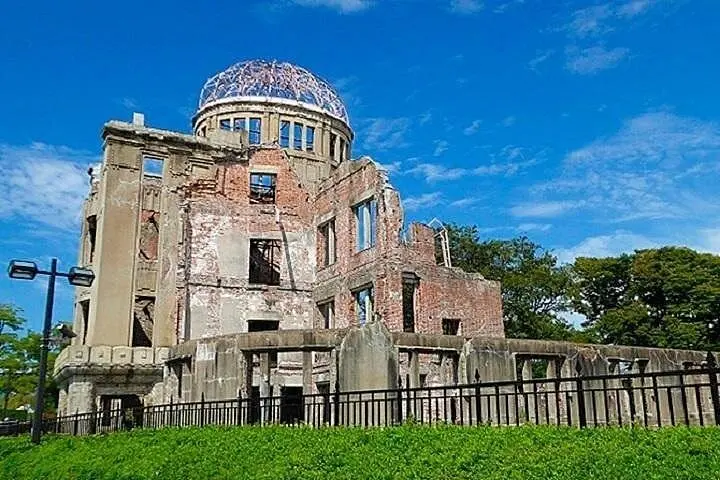
Morning light slides across the still water of the Seto Inland Sea as you stand before Hiroshima’s Atomic Bomb Dome, the skeletal curve of metal and brick insisting on attention.
Morning light slides across the still water of the Seto Inland Sea as you stand before Hiroshima’s Atomic Bomb Dome, the skeletal curve of metal and brick insisting on attention.
By midday you’re on a short ferry, the sea nudging the hull, headed for Miyajima where the great torii appears to rise from the tide like a guardian. The day moves with deliberate calm: a reflective walk through Peace Memorial Park, a visit to the museum’s careful exhibits, then an afternoon among shrine boardwalks and cedar-clad slopes.
Hiroshima’s recent past is visible in museum artifacts and the cenotaph’s simple arc; Miyajima’s history reaches back to Shinto traditions, with Itsukushima Shrine built above the water to honor sea deities. Geologically, the Seto Inland Sea is a shallow, island-strewn basin whose tides shape the shrine’s appearance; volcanoes and erosion have sculpted the green ridges that frame Miyajima.
Expect paved promenades in the city and wooden boardwalks on the island; easy elevation gains if you take the hillside trails toward Daisho-in temple. Wild deer amble through shrine courtyards, unbothered but watchful.
Practical notes: start early to avoid crowds and check ferry schedules and tide times if you want the iconic “floating” torii at high tide. Wear comfortable walking shoes, carry water, and plan 7–9 hours to move at a reflective pace. Be mindful at memorial sites—photography rules and a quiet demeanor show respect. Guides typically handle tickets and local transit; bring cash for small shrine fees and snacks.