THE ADVENTURE COLLECTIVE® · Independent discovery and booking for outdoor travel

Ride the Shinkansen from Osaka for a compact day that pairs Hiroshima’s Peace Park with the tidal drama of Itsukushima Shrine on Miyajima—round-trip rail, ferry, and lunch included.
Ride the Shinkansen from Osaka for a compact day that pairs Hiroshima’s Peace Park with the tidal drama of Itsukushima Shrine on Miyajima—round-trip rail, ferry, and lunch included.
You step onto the platform at dawn with a paper ticket in hand and the staccato whistle of the Shinkansen in your ears—an efficient blur that pushes you toward a day of two contrasting histories. In Hiroshima, concrete and bronze frame a quiet park where the Atomic Bomb Dome holds a hollowed memory and the Peace Memorial Museum lays out the city's 20th-century rupture with clear, sombre displays.
Verified experiences and guided adventures in the surrounding area.
Operated by H.I.S.Co., Ltd. · Hiroshima, Hiroshima Prefecture
You step onto the platform at dawn with a paper ticket in hand and the staccato whistle of the Shinkansen in your ears—an efficient blur that pushes you toward a day of two contrasting histories. In Hiroshima, concrete and bronze frame a quiet park where the Atomic Bomb Dome holds a hollowed memory and the Peace Memorial Museum lays out the city's 20th-century rupture with clear, sombre displays.
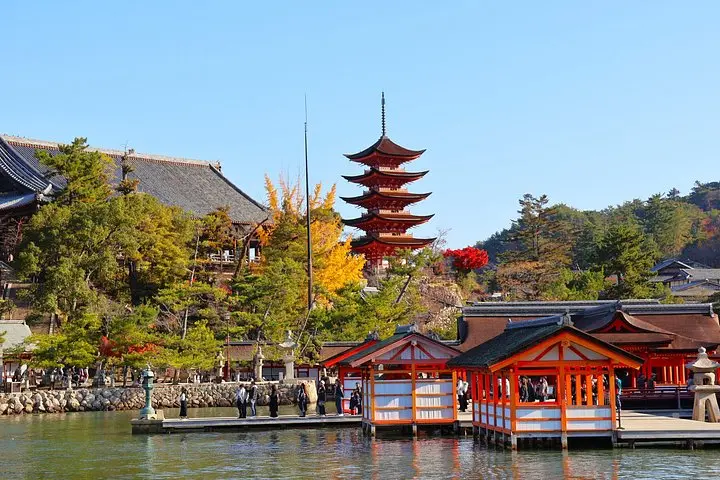
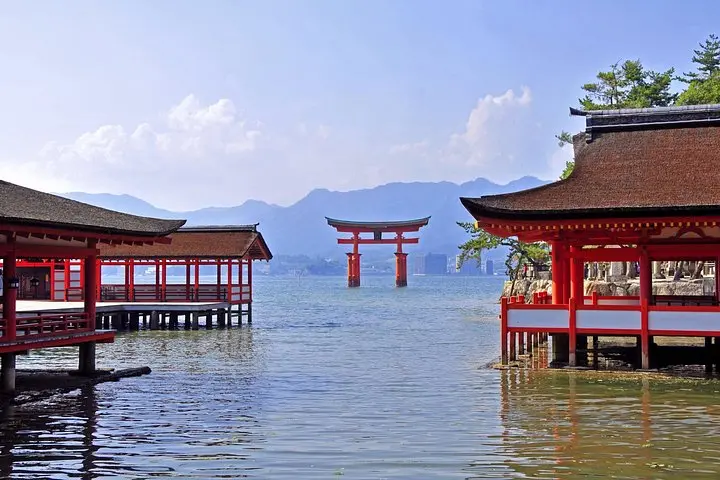
A short drive and a ferry crossing cut the day with salt air. The Miyajima ferry takes you closest to the Great Torii; the gate rises from the bay like a challenge, and tides decide whether you’ll walk beneath its legs or photograph it from the deck. Itsukushima Shrine’s vermilion buildings stand on pilings, their corridors reflecting low tides and launching views of Mount Misen when time allows.
This tour packs those contrasts into roughly eight hours: museum time (about 60 minutes), shrine visit (60 minutes), and an hour to browse Omotesando’s food stalls and crafts—plus a Hiroshima-style okonomiyaki lunch included. The logistics are tidy: round-trip Shinkansen tickets from Osaka/Kyoto/Fukuoka and an air-conditioned bus make long distances feel short.
Expect moderate walking on uneven paths, tidal-dependent shoreline vistas, and bustling souvenir alleys. Bring comfortable shoes, plan for security lines at museum entrances, and schedule some quiet after the museum; the emotional weight of the Peace Park asks for it. With a careful pace you’ll leave having seen both Japan’s resilient present and one of its most photographed coastal shrines.
Yes—round-trip Shinkansen tickets from the stated departure station are included and distributed at the meeting point.
The ferry crossing from Miyajimaguchi to Miyajima takes roughly 10 minutes and brings you closest to the Great Torii on the designated route.
Lunch is a Hiroshima-style okonomiyaki with pork, vegetarian, or no-fish options; inform the operator of allergies when booking.
The tour involves walking and some stairs; it’s not recommended for travelers with serious spinal or cardiovascular conditions—check accessibility before booking.
H.I.S.Co., Ltd. operates guided outdoor trips and adventures with an emphasis on safety, stewardship, and memorable experiences.
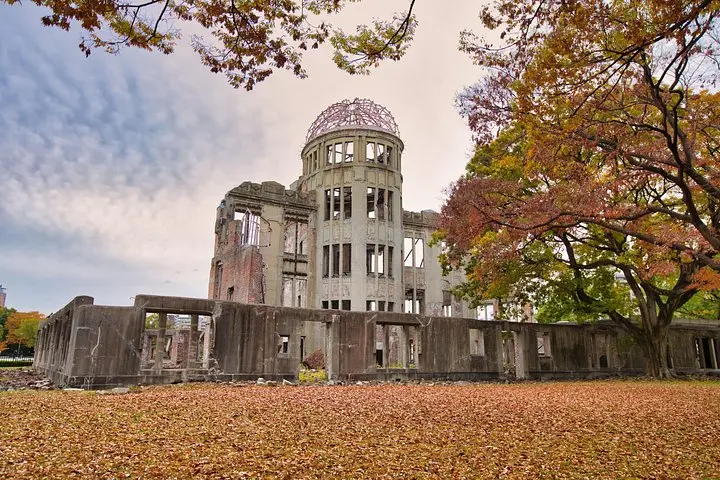
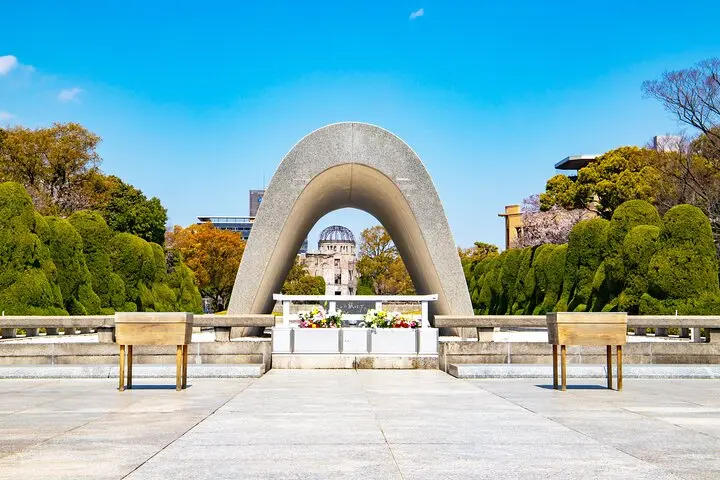
You step onto the platform at dawn with a paper ticket in hand and the staccato whistle of the Shinkansen in your ears—an efficient blur that pushes you toward a day of two contrasting histories. In Hiroshima, concrete and bronze frame a quiet park where the Atomic Bomb Dome holds a hollowed memory and the Peace Memorial Museum lays out the city's 20th-century rupture with clear, sombre displays.
You step onto the platform at dawn with a paper ticket in hand and the staccato whistle of the Shinkansen in your ears—an efficient blur that pushes you toward a day of two contrasting histories. In Hiroshima, concrete and bronze frame a quiet park where the Atomic Bomb Dome holds a hollowed memory and the Peace Memorial Museum lays out the city's 20th-century rupture with clear, sombre displays.
A short drive and a ferry crossing cut the day with salt air. The Miyajima ferry takes you closest to the Great Torii; the gate rises from the bay like a challenge, and tides decide whether you’ll walk beneath its legs or photograph it from the deck. Itsukushima Shrine’s vermilion buildings stand on pilings, their corridors reflecting low tides and launching views of Mount Misen when time allows.
This tour packs those contrasts into roughly eight hours: museum time (about 60 minutes), shrine visit (60 minutes), and an hour to browse Omotesando’s food stalls and crafts—plus a Hiroshima-style okonomiyaki lunch included. The logistics are tidy: round-trip Shinkansen tickets from Osaka/Kyoto/Fukuoka and an air-conditioned bus make long distances feel short.
Expect moderate walking on uneven paths, tidal-dependent shoreline vistas, and bustling souvenir alleys. Bring comfortable shoes, plan for security lines at museum entrances, and schedule some quiet after the museum; the emotional weight of the Peace Park asks for it. With a careful pace you’ll leave having seen both Japan’s resilient present and one of its most photographed coastal shrines.