THE ADVENTURE COLLECTIVE® · Independent discovery and booking for outdoor travel

Spend a day moving from Corcovado’s forested summit to the tiled Selarón Steps and the cable cars of Sugarloaf with a pro photographer. Expect sunrise light, steep stairs, and curated cityscapes perfect for lasting images.
Spend a day moving from Corcovado’s forested summit to the tiled Selarón Steps and the cable cars of Sugarloaf with a pro photographer. Expect sunrise light, steep stairs, and curated cityscapes perfect for lasting images.
Morning light breaks over Guanabara Bay and the city exhales beneath the palms. On this full-day city shoot, a guide and photographer move a small group through Rio’s most photo-ready stages: a forested train ride to Christ the Redeemer, the raw mosaic of Selarón Steps, lookout platforms at Dona Marta, and the cable-car ascent of Sugarloaf. The rhythm is cinematic—dense Atlantic Forest giving way to plazas, tiled stairs, and sky-scraping granite.
Verified experiences and guided adventures in the surrounding area.
Operated by Rio Photo Guide · Rio de Janeiro, Rio de Janeiro
Morning light breaks over Guanabara Bay and the city exhales beneath the palms. On this full-day city shoot, a guide and photographer move a small group through Rio’s most photo-ready stages: a forested train ride to Christ the Redeemer, the raw mosaic of Selarón Steps, lookout platforms at Dona Marta, and the cable-car ascent of Sugarloaf. The rhythm is cinematic—dense Atlantic Forest giving way to plazas, tiled stairs, and sky-scraping granite.
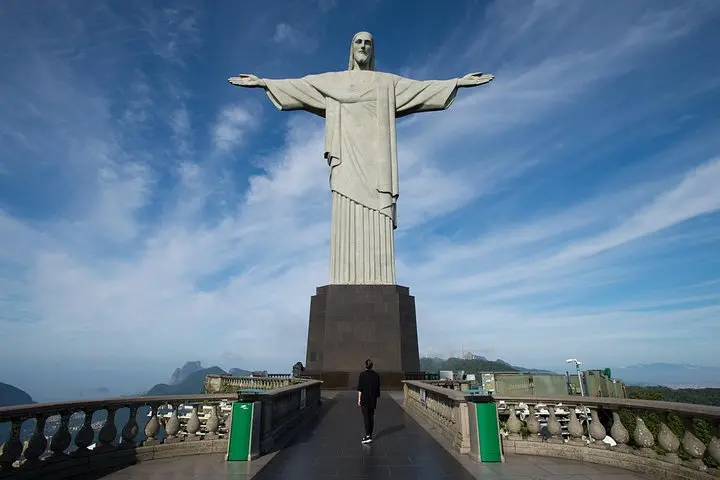
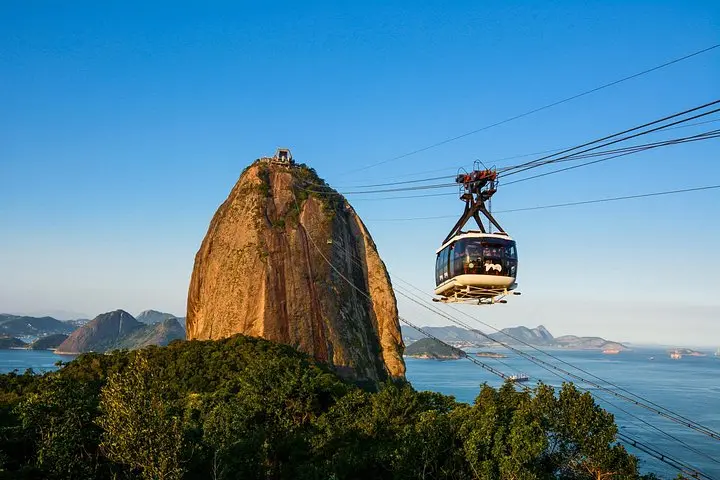
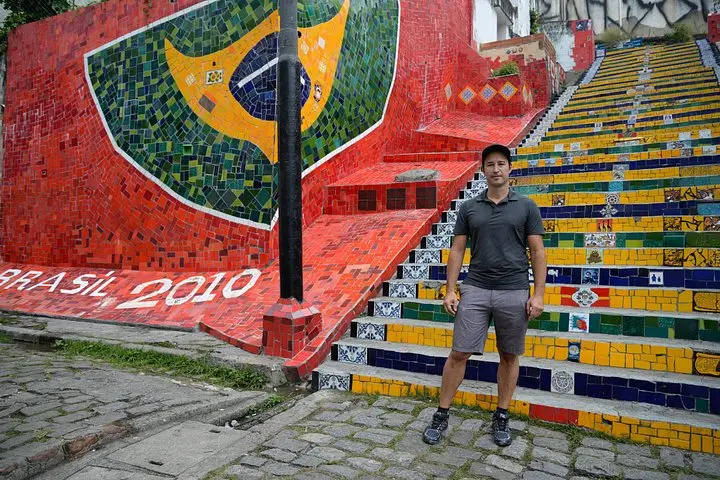
Christ the Redeemer (inaugurated 1931) crowns Corcovado at 710 m, a concrete-andsoapstone statue set atop a reforested ridge of Tijuca National Park, one of the world’s largest urban forests formed from regrown woodland over 19th-century coffee farms. The Selarón Steps, a living art project begun by Jorge Selarón in the 1990s, threads cultural color between Lapa and Santa Teresa. Sugarloaf’s granite cones are relics of ancient geology, shaped by erosion and ocean currents that still sculpt the bay’s edges.
Practical guidance: expect eight hours on your feet with multiple short walks and stairs; light hiking shoes and sun protection are crucial. Times with the softest light are sunrise at Corcovado and late afternoon at Sugarloaf—plan pickups early. The photographer will frame wide cityscapes and candid portraits; bring a charged phone or camera, spare battery and a compact travel tripod if you need steady low-light shots (check site rules).
Crowds peak mid-day—schedule morning or late slots for cleaner horizons. Respect park trails, avoid feeding wildlife, and allow time for short food breaks in Urca or Santa Teresa. The day balances cultural texture and panoramic spectacle—ideal for travelers wanting lasting images and a measured introduction to Rio’s geography and street life.
Admission and the Corcovado train fare depend on the supplier—confirm when booking; this tour’s itinerary notes visits but some entrance fees may be additional.
Small tripods and cameras are generally allowed but check with the operator ahead; some sites limit professional equipment without permits.
The operator notes wheelchair accessible options—accessibility varies by site (e.g., cable car at Sugarloaf has limited mobility access); confirm pickup and site access in advance.
Early morning at Corcovado and late afternoon at Sugarloaf minimize crowds and provide softer light—midday is busiest and harshest for photos.
Rio Photo Guide operates guided outdoor trips and adventures with an emphasis on safety, stewardship, and memorable experiences.

Morning light breaks over Guanabara Bay and the city exhales beneath the palms. On this full-day city shoot, a guide and photographer move a small group through Rio’s most photo-ready stages: a forested train ride to Christ the Redeemer, the raw mosaic of Selarón Steps, lookout platforms at Dona Marta, and the cable-car ascent of Sugarloaf. The rhythm is cinematic—dense Atlantic Forest giving way to plazas, tiled stairs, and sky-scraping granite.
Morning light breaks over Guanabara Bay and the city exhales beneath the palms. On this full-day city shoot, a guide and photographer move a small group through Rio’s most photo-ready stages: a forested train ride to Christ the Redeemer, the raw mosaic of Selarón Steps, lookout platforms at Dona Marta, and the cable-car ascent of Sugarloaf. The rhythm is cinematic—dense Atlantic Forest giving way to plazas, tiled stairs, and sky-scraping granite.
Christ the Redeemer (inaugurated 1931) crowns Corcovado at 710 m, a concrete-andsoapstone statue set atop a reforested ridge of Tijuca National Park, one of the world’s largest urban forests formed from regrown woodland over 19th-century coffee farms. The Selarón Steps, a living art project begun by Jorge Selarón in the 1990s, threads cultural color between Lapa and Santa Teresa. Sugarloaf’s granite cones are relics of ancient geology, shaped by erosion and ocean currents that still sculpt the bay’s edges.
Practical guidance: expect eight hours on your feet with multiple short walks and stairs; light hiking shoes and sun protection are crucial. Times with the softest light are sunrise at Corcovado and late afternoon at Sugarloaf—plan pickups early. The photographer will frame wide cityscapes and candid portraits; bring a charged phone or camera, spare battery and a compact travel tripod if you need steady low-light shots (check site rules).
Crowds peak mid-day—schedule morning or late slots for cleaner horizons. Respect park trails, avoid feeding wildlife, and allow time for short food breaks in Urca or Santa Teresa. The day balances cultural texture and panoramic spectacle—ideal for travelers wanting lasting images and a measured introduction to Rio’s geography and street life.