THE ADVENTURE COLLECTIVE® · Independent discovery and booking for outdoor travel

Short on time but craving the classic Inca Trail approach to Machu Picchu? This intensive day-hike walks original Inca paths from KM 104 to the Sun Gate, delivering the iconic sunrise view and a guided visit of the citadel—expect a long, high-energy day and tight logistics.
Short on time but craving the classic Inca Trail approach to Machu Picchu? This intensive day-hike walks original Inca paths from KM 104 to the Sun Gate, delivering the iconic sunrise view and a guided visit of the citadel—expect a long, high-energy day and tight logistics.
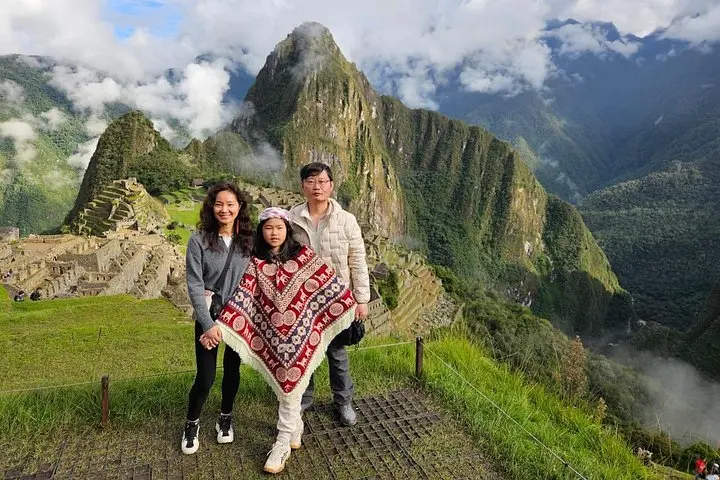
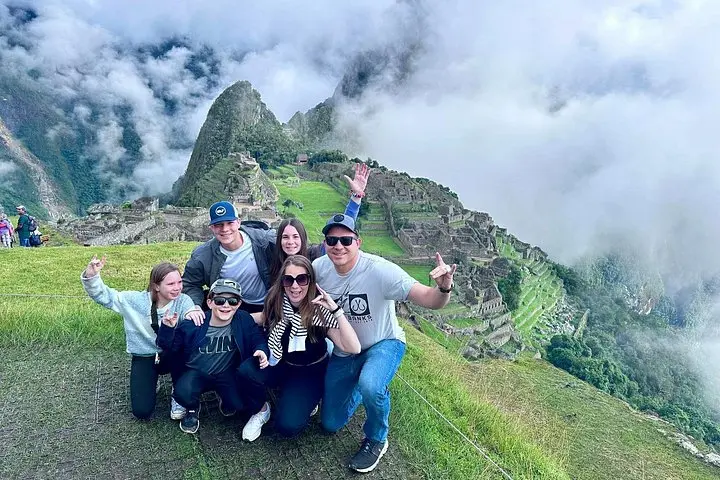
A predawn pickup in Cusco delivers you into a dark valley, the bus headlights cutting through mist as the train waits at Ollantaytambo. By the time the Vilcanota River slides into view the air is already damp and green; the one-day Inca Trail unfurls from KM 104 into cloud forest, stepped terraces and carved stone stairways. You climb through moss and orchids, rivers daring you to hurry, until the Sun Gate opens and the first full view of Machu Picchu appears — sudden, ancient, and uncompromising.
Verified experiences and guided adventures in the surrounding area.
Operated by Machupicchu Latin America · Machu Picchu, Cusco
A predawn pickup in Cusco delivers you into a dark valley, the bus headlights cutting through mist as the train waits at Ollantaytambo. By the time the Vilcanota River slides into view the air is already damp and green; the one-day Inca Trail unfurls from KM 104 into cloud forest, stepped terraces and carved stone stairways. You climb through moss and orchids, rivers daring you to hurry, until the Sun Gate opens and the first full view of Machu Picchu appears — sudden, ancient, and uncompromising.
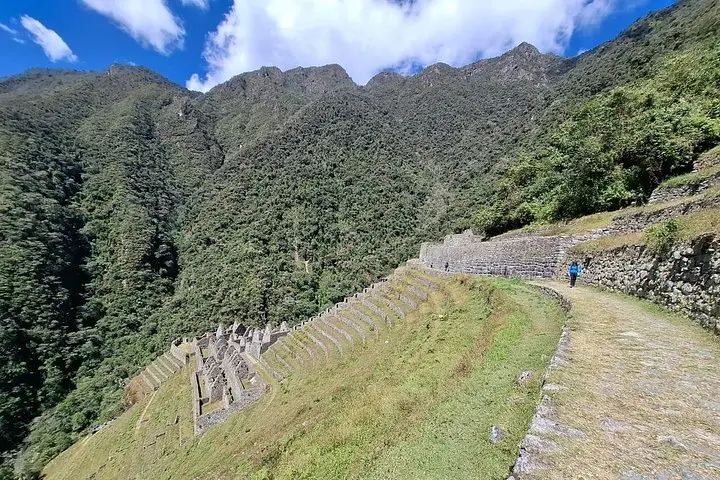
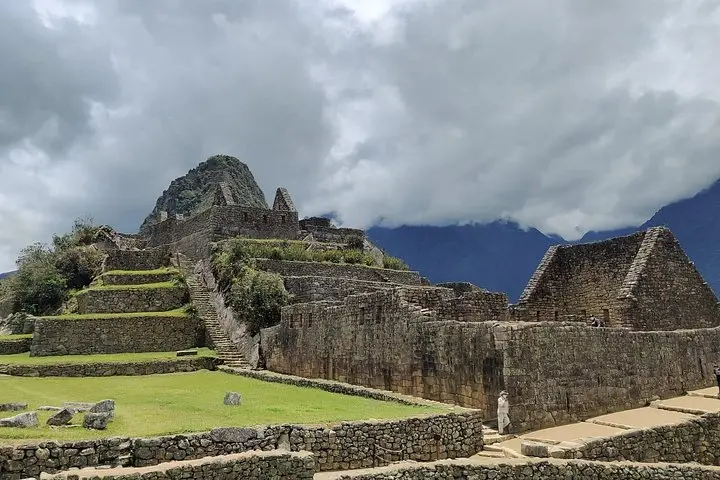
The route follows original Inca paths—part of the Qhapaq Ñan road network—linking highland communities to the citadel. Geology here is young Andes: steep volcanic and metamorphic walls carved by the Urubamba River, with microclimates that shift from riverine humidity to cooler, wind-exposed ridges. Along the way you pass Chachabamba and Wiñay Wayna, agricultural and ritual sites that show how the Incas adapted stonework to steep terrain.
Practically: expect ~6 hours of hiking (roughly 8–12 km one-way depending on exact access), with cumulative elevation gain of several hundred meters as you ascend to Inti Punku (Sun Gate) and then descend into Machu Picchu. Trails include stone steps and narrow switchbacks; good footwear, hydration and prior altitude acclimatization matter more than technical skill. Trains and buses are scheduled tightly—this is a long day (12–14 hours total), so plan for early starts, boxed lunch on the trail, passport checks at KM 104, and limited time inside Machu Picchu before returning by train to Ollantaytambo and transfer back to Cusco.
Yes—access to the Inca Trail and Machu Picchu is regulated; this tour includes required permits and passport checks at KM 104.
The hike is challenging: prolonged uphill sections and many stone steps; suitable for fit hikers who are acclimatized to altitude, not for those with serious cardiovascular issues.
The trail is open year-round; rain can make steps slippery and visibility poor—bring waterproof layers and be prepared for slower progress.
Expect limited guided time (usually early afternoon) before boarding the return train—timing is fixed due to train schedules, so plan for key photo stops rather than extended exploration.
Machupicchu Latin America operates guided outdoor trips and adventures with an emphasis on safety, stewardship, and memorable experiences.
A predawn pickup in Cusco delivers you into a dark valley, the bus headlights cutting through mist as the train waits at Ollantaytambo. By the time the Vilcanota River slides into view the air is already damp and green; the one-day Inca Trail unfurls from KM 104 into cloud forest, stepped terraces and carved stone stairways. You climb through moss and orchids, rivers daring you to hurry, until the Sun Gate opens and the first full view of Machu Picchu appears — sudden, ancient, and uncompromising.
A predawn pickup in Cusco delivers you into a dark valley, the bus headlights cutting through mist as the train waits at Ollantaytambo. By the time the Vilcanota River slides into view the air is already damp and green; the one-day Inca Trail unfurls from KM 104 into cloud forest, stepped terraces and carved stone stairways. You climb through moss and orchids, rivers daring you to hurry, until the Sun Gate opens and the first full view of Machu Picchu appears — sudden, ancient, and uncompromising.
The route follows original Inca paths—part of the Qhapaq Ñan road network—linking highland communities to the citadel. Geology here is young Andes: steep volcanic and metamorphic walls carved by the Urubamba River, with microclimates that shift from riverine humidity to cooler, wind-exposed ridges. Along the way you pass Chachabamba and Wiñay Wayna, agricultural and ritual sites that show how the Incas adapted stonework to steep terrain.
Practically: expect ~6 hours of hiking (roughly 8–12 km one-way depending on exact access), with cumulative elevation gain of several hundred meters as you ascend to Inti Punku (Sun Gate) and then descend into Machu Picchu. Trails include stone steps and narrow switchbacks; good footwear, hydration and prior altitude acclimatization matter more than technical skill. Trains and buses are scheduled tightly—this is a long day (12–14 hours total), so plan for early starts, boxed lunch on the trail, passport checks at KM 104, and limited time inside Machu Picchu before returning by train to Ollantaytambo and transfer back to Cusco.