THE ADVENTURE COLLECTIVE® · Independent discovery and booking for outdoor travel

A private, full-day hike at Juyongguan Pass takes you up steep stone steps, past close-set watchtowers, and into the history of Beijing's defenses. This guide covers what to expect, how to prepare, and local insights to make the most of your day.
A private, full-day hike at Juyongguan Pass takes you up steep stone steps, past close-set watchtowers, and into the history of Beijing's defenses. This guide covers what to expect, how to prepare, and local insights to make the most of your day.
You step out of a quiet Beijing hotel into a private car that pulls away from the city and threads through low hills until the stone ramparts of Juyongguan rising out of a bowl of scrub and pines come into view. The pass sits where a narrow valley forces the Great Wall to tighten its line; towers punctuate the wall like watchful sentries as the path climbs and drops across ancient masonry.
Verified experiences and guided adventures in the surrounding area.
Operated by Travel China Guide · Beijing, Beijing
You step out of a quiet Beijing hotel into a private car that pulls away from the city and threads through low hills until the stone ramparts of Juyongguan rising out of a bowl of scrub and pines come into view. The pass sits where a narrow valley forces the Great Wall to tighten its line; towers punctuate the wall like watchful sentries as the path climbs and drops across ancient masonry.
Juyongguan has guarded the approaches to Beijing for centuries; the current visible sections were largely fortified during the Ming dynasty. The local geology — compacted yellow-brown silt and outcrops of granitoid rock — dictated short, steep walls and dense watchtower spacing, giving the pass its abrupt, muscular profile. Nearby villages and tea stalls reflect a living layer of Han Chinese culture around a monument of imperial defense.
On this private, full-day outing you’ll follow a guide along restored and unrestored stretches, negotiating steep stone steps and uneven walkways. The route rewards steady effort with panoramic views into the valley and closer inspection of arrow slits, crenellations, and masonry repairs.
Practical edge: plan for an 8-hour door-to-door day, wear sturdy footwear with good grip, and carry sun protection and at least 1–2 liters of water — bottled water is typically provided on tours. The hike is physically moderate but not suitable for those with serious back, heart, or pregnancy restrictions. Arrive early to avoid crowds and bring a camera and small snacks; lunch is usually independent. Respect the restored sections and stick to marked paths to help preserve this historic line of defense.
The tour is a full 8-hour outing from hotel pickup to drop-off; on-wall hiking time varies depending on pace and stops.
Yes — entrance to Juyongguan Pass is typically included on private tours, but confirm when booking.
Lunch is usually on your own; most itineraries include bottled water but not a full meal, so bring snacks or plan to eat at a nearby restaurant.
Moderate fitness is required; steep steps and uneven surfaces can be challenging for young children and some older adults — consider fitness and mobility when deciding.
Travel China Guide operates guided outdoor trips and adventures with an emphasis on safety, stewardship, and memorable experiences.
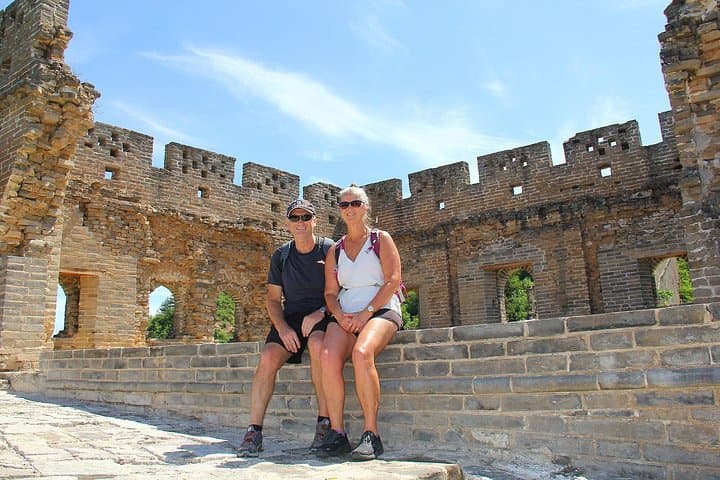
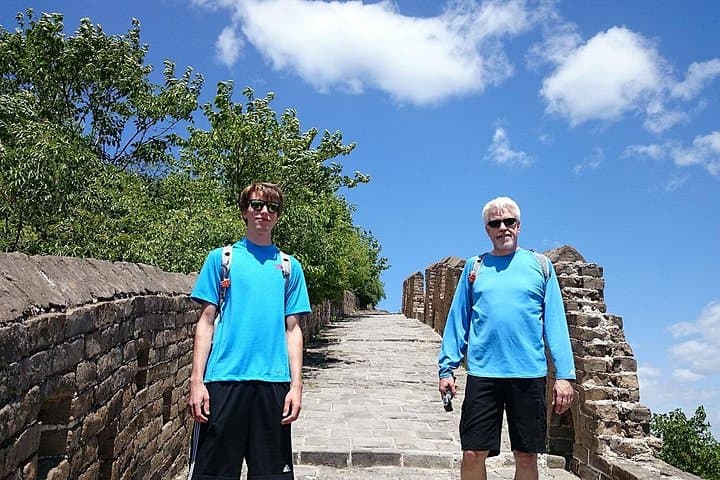
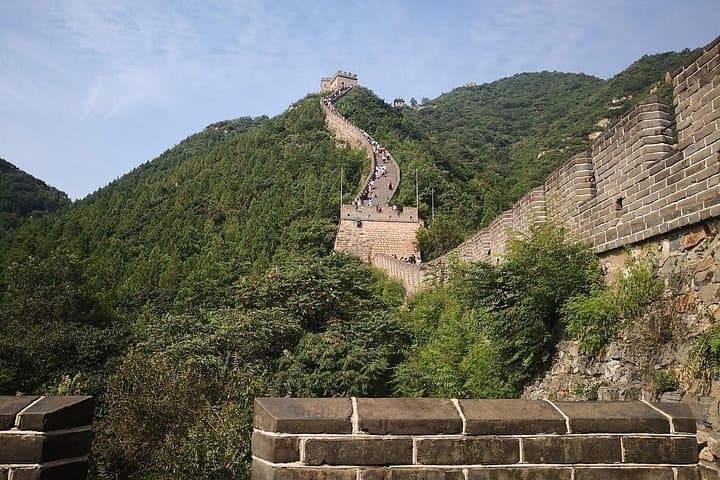

You step out of a quiet Beijing hotel into a private car that pulls away from the city and threads through low hills until the stone ramparts of Juyongguan rising out of a bowl of scrub and pines come into view. The pass sits where a narrow valley forces the Great Wall to tighten its line; towers punctuate the wall like watchful sentries as the path climbs and drops across ancient masonry.
You step out of a quiet Beijing hotel into a private car that pulls away from the city and threads through low hills until the stone ramparts of Juyongguan rising out of a bowl of scrub and pines come into view. The pass sits where a narrow valley forces the Great Wall to tighten its line; towers punctuate the wall like watchful sentries as the path climbs and drops across ancient masonry.
Juyongguan has guarded the approaches to Beijing for centuries; the current visible sections were largely fortified during the Ming dynasty. The local geology — compacted yellow-brown silt and outcrops of granitoid rock — dictated short, steep walls and dense watchtower spacing, giving the pass its abrupt, muscular profile. Nearby villages and tea stalls reflect a living layer of Han Chinese culture around a monument of imperial defense.
On this private, full-day outing you’ll follow a guide along restored and unrestored stretches, negotiating steep stone steps and uneven walkways. The route rewards steady effort with panoramic views into the valley and closer inspection of arrow slits, crenellations, and masonry repairs.
Practical edge: plan for an 8-hour door-to-door day, wear sturdy footwear with good grip, and carry sun protection and at least 1–2 liters of water — bottled water is typically provided on tours. The hike is physically moderate but not suitable for those with serious back, heart, or pregnancy restrictions. Arrive early to avoid crowds and bring a camera and small snacks; lunch is usually independent. Respect the restored sections and stick to marked paths to help preserve this historic line of defense.