THE ADVENTURE COLLECTIVE® · Independent discovery and booking for outdoor travel

Spend ten curated hours moving from Kyoto’s torii-lined trails to Nara’s free-roaming deer and UNESCO temples. This private-car day tour covers Fushimi Inari, Todai‑ji, Kasuga Taisha and Horyu‑ji with admissions and lunch included.
Spend ten curated hours moving from Kyoto’s torii-lined trails to Nara’s free-roaming deer and UNESCO temples. This private-car day tour covers Fushimi Inari, Todai‑ji, Kasuga Taisha and Horyu‑ji with admissions and lunch included.
You step through a ribbon of vermillion gates at Fushimi Inari as light slices between the columns and the city hums behind you. The torii seem to shepherd you along a carved path, then give way to mossed stone lanterns and the hush of temple precincts. By midday, a private car threads quiet country roads toward Nara’s wide park, where sika deer pace the lawns like local guides.
Verified experiences and guided adventures in the surrounding area.
Operated by MagicalTrip Inc. · Kyoto, Kyoto Prefecture
You step through a ribbon of vermillion gates at Fushimi Inari as light slices between the columns and the city hums behind you. The torii seem to shepherd you along a carved path, then give way to mossed stone lanterns and the hush of temple precincts. By midday, a private car threads quiet country roads toward Nara’s wide park, where sika deer pace the lawns like local guides.
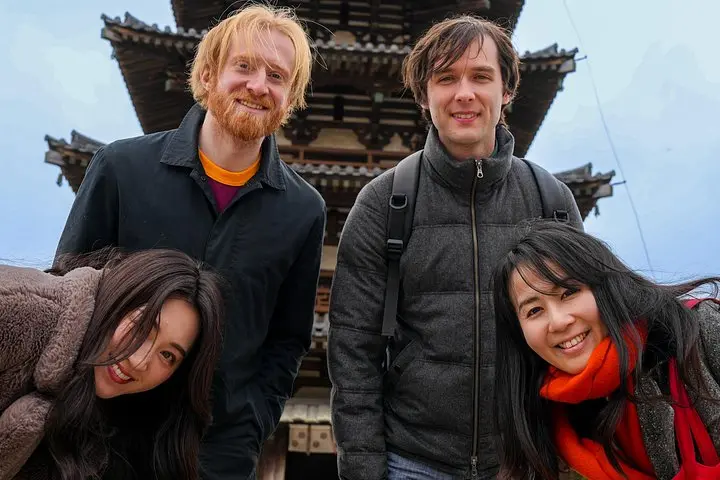
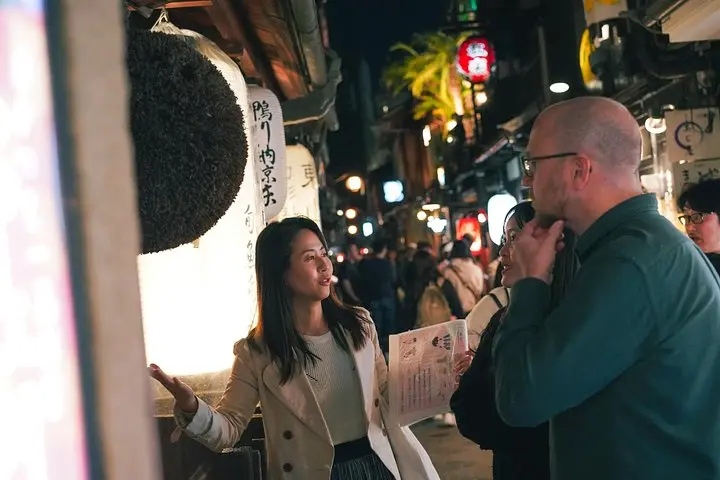
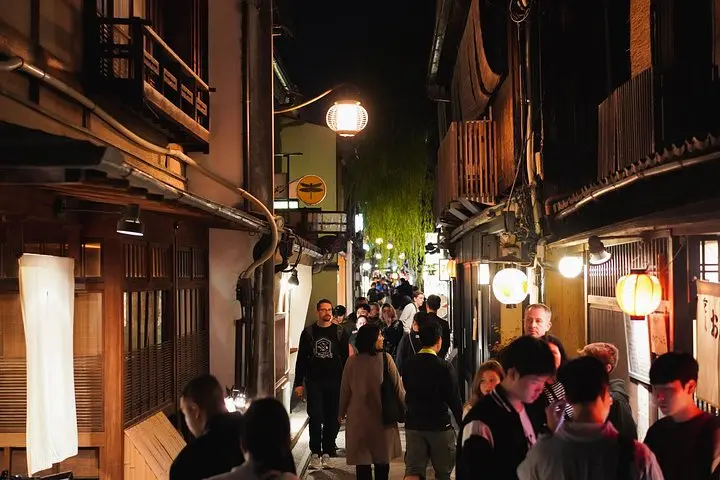
This single-day loop stitches together two of Japan’s oldest cultural cores. Kyoto’s shrines and the merchant streets of Gion reflect centuries of court and tea-house culture; Nara preserves 8th‑century state Buddhism—Todai‑ji’s Great Buddha was built under imperial direction during the Nara period, and nearby Kasuga Taisha’s bronze lanterns mark long-standing Shinto traditions. Horyu‑ji, on the tour’s fringe, contains some of the oldest wooden structures in the world and is a UNESCO-inscribed marker of early Buddhist architecture.
Geology matters here: Kyoto sits in a basin ringed by low hills that funnel morning fog and shape seasonal colors, while the broad Nara plain absorbs rivers that once supported ancient capitals.
Practical edge: expect moderate walking across uneven stone steps, paved lanes, and park grass—comfortable shoes and a light daypack will keep you mobile. The tour includes admissions and lunch; bring a small amount of cash for temple offerings and deer crackers sold locally. Plan an early start to beat midday crowds at the gates and leave phone batteries for the photographs your guide will help compose.
Yes—hotel pickup within Kyoto is included; confirm your exact pickup location at least 24 hours before departure.
Entrance fees to listed sites and lunch are included; drinks may be limited to one beverage depending on the provider.
Yes—vegetarian, vegan and gluten‑free lunches are available with advance notice at booking.
Expect several short walks at each site—30–60 minutes per stop with uneven surfaces and temple steps, but no technical hiking.
MagicalTrip Inc. operates guided outdoor trips and adventures with an emphasis on safety, stewardship, and memorable experiences.
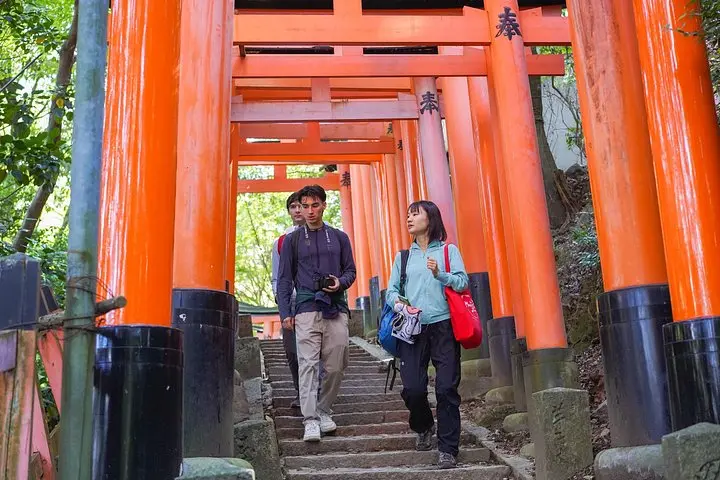
You step through a ribbon of vermillion gates at Fushimi Inari as light slices between the columns and the city hums behind you. The torii seem to shepherd you along a carved path, then give way to mossed stone lanterns and the hush of temple precincts. By midday, a private car threads quiet country roads toward Nara’s wide park, where sika deer pace the lawns like local guides.
You step through a ribbon of vermillion gates at Fushimi Inari as light slices between the columns and the city hums behind you. The torii seem to shepherd you along a carved path, then give way to mossed stone lanterns and the hush of temple precincts. By midday, a private car threads quiet country roads toward Nara’s wide park, where sika deer pace the lawns like local guides.
This single-day loop stitches together two of Japan’s oldest cultural cores. Kyoto’s shrines and the merchant streets of Gion reflect centuries of court and tea-house culture; Nara preserves 8th‑century state Buddhism—Todai‑ji’s Great Buddha was built under imperial direction during the Nara period, and nearby Kasuga Taisha’s bronze lanterns mark long-standing Shinto traditions. Horyu‑ji, on the tour’s fringe, contains some of the oldest wooden structures in the world and is a UNESCO-inscribed marker of early Buddhist architecture.
Geology matters here: Kyoto sits in a basin ringed by low hills that funnel morning fog and shape seasonal colors, while the broad Nara plain absorbs rivers that once supported ancient capitals.
Practical edge: expect moderate walking across uneven stone steps, paved lanes, and park grass—comfortable shoes and a light daypack will keep you mobile. The tour includes admissions and lunch; bring a small amount of cash for temple offerings and deer crackers sold locally. Plan an early start to beat midday crowds at the gates and leave phone batteries for the photographs your guide will help compose.