THE ADVENTURE COLLECTIVE® · Independent discovery and booking for outdoor travel

Spend a long, rewarding day traveling from Cusco by train to the iconic Inca citadel. This one-day tour pairs scenic Andes rail travel with a guided 2.5–3 hour exploration of Machu Picchu and practical tips for managing altitude and timing.
Spend a long, rewarding day traveling from Cusco by train to the iconic Inca citadel. This one-day tour pairs scenic Andes rail travel with a guided 2.5–3 hour exploration of Machu Picchu and practical tips for managing altitude and timing.
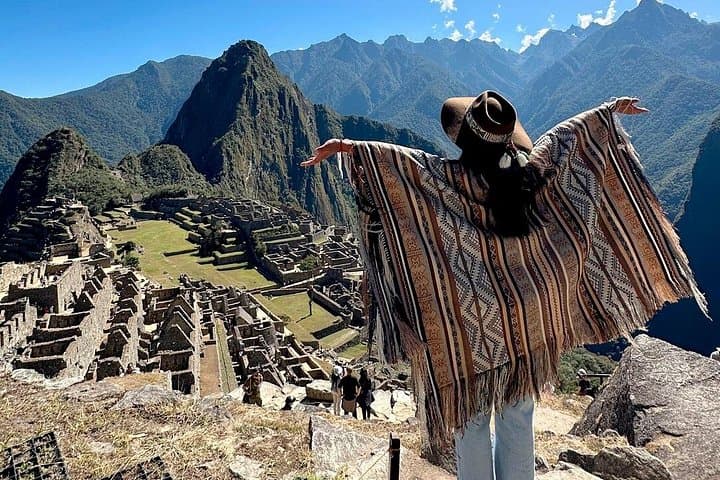
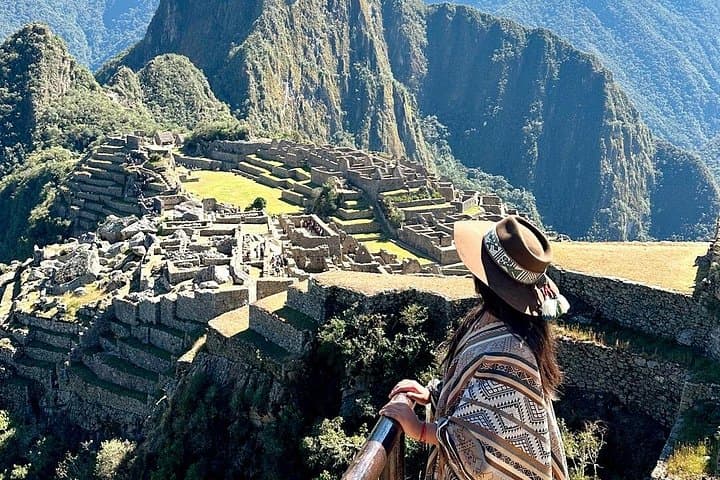
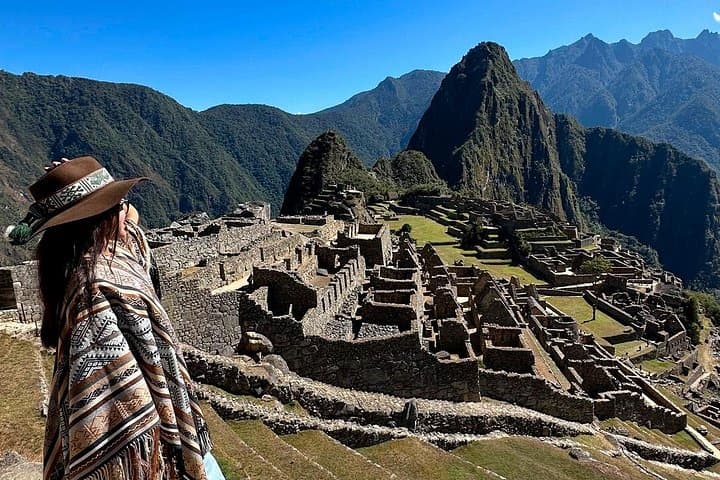
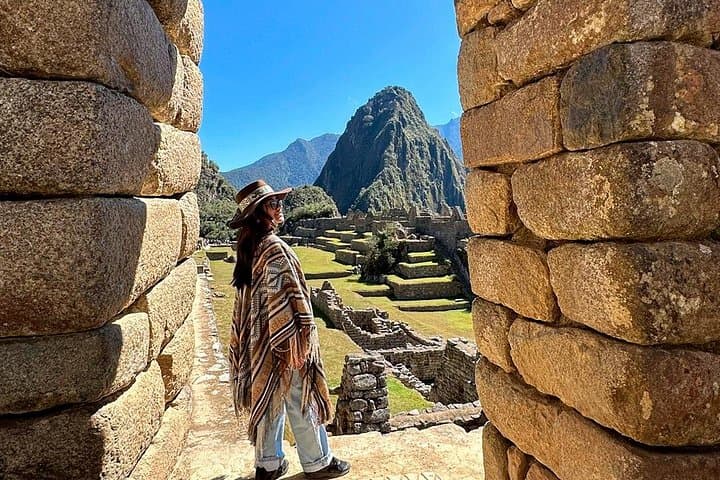
You step off the train into Aguas Calientes with fog rolling low through a steep, green cleft of the Urubamba Valley—the Andes pressing close like a wall of living rock. The bus climbs hairpins to Machu Picchu’s entrance and, within minutes, terraces and trapezoidal doorways reveal themselves: stonework that resists the weather and the imagination.
Verified experiences and guided adventures in the surrounding area.
Operated by Get Trip Vacation · Aguas Calientes, Cusco
You step off the train into Aguas Calientes with fog rolling low through a steep, green cleft of the Urubamba Valley—the Andes pressing close like a wall of living rock. The bus climbs hairpins to Machu Picchu’s entrance and, within minutes, terraces and trapezoidal doorways reveal themselves: stonework that resists the weather and the imagination.
Machu Picchu was built in the 15th century by the Inca and sits on a granitic ridge where tectonics folded the landscape into narrow river valleys. Hiram Bingham reintroduced the site to the world in 1911, but local Quechua communities retained oral histories and custodial ties to the land. The citadel’s plazas, agricultural terraces and water channels show practical engineering married to cosmology—views that still draw pilgrims, photographers and students of ancient technologies.
Expect a guided circuit of roughly 2.5–3 hours covering major sectors of the citadel, followed by free time in Aguas Calientes for lunch. The day uses a round-trip tourist train from Ollantaytambo and shuttle buses up to the park gate; permits and timed-entry routes regulate visitor flow to protect fragile stonework.
Practical edge: altitude and a long day are the real challenges—this is a 12–14 hour excursion from Cusco with sustained walking over uneven stone and steps. Bring layered clothing, rain protection, sturdy footwear, sun protection and a refillable water bottle. Start early to secure better light and smaller crowds, follow your guide’s route, and respect limited access zones—Machu Picchu is both an archaeological site and a vulnerable ecosystem.
Guided visits are typically 2.5–3 hours covering key sectors—agricultural terraces, urban core and main viewpoints—followed by optional free time.
This tour includes round-trip tourist train from Ollantaytambo and the bus shuttle between Aguas Calientes and the citadel entrance as listed in the inclusion details.
The itinerary notes wheelchair-accessible options, but the citadel itself has steep steps and uneven stones; consult the operator in advance about specific accessibility needs.
Special permits for Huayna Picchu or Machu Picchu Mountain are limited and usually require separate tickets—confirm in advance if you want to add one of these summits.
Get Trip Vacation operates guided outdoor trips and adventures with an emphasis on safety, stewardship, and memorable experiences.
You step off the train into Aguas Calientes with fog rolling low through a steep, green cleft of the Urubamba Valley—the Andes pressing close like a wall of living rock. The bus climbs hairpins to Machu Picchu’s entrance and, within minutes, terraces and trapezoidal doorways reveal themselves: stonework that resists the weather and the imagination.
You step off the train into Aguas Calientes with fog rolling low through a steep, green cleft of the Urubamba Valley—the Andes pressing close like a wall of living rock. The bus climbs hairpins to Machu Picchu’s entrance and, within minutes, terraces and trapezoidal doorways reveal themselves: stonework that resists the weather and the imagination.
Machu Picchu was built in the 15th century by the Inca and sits on a granitic ridge where tectonics folded the landscape into narrow river valleys. Hiram Bingham reintroduced the site to the world in 1911, but local Quechua communities retained oral histories and custodial ties to the land. The citadel’s plazas, agricultural terraces and water channels show practical engineering married to cosmology—views that still draw pilgrims, photographers and students of ancient technologies.
Expect a guided circuit of roughly 2.5–3 hours covering major sectors of the citadel, followed by free time in Aguas Calientes for lunch. The day uses a round-trip tourist train from Ollantaytambo and shuttle buses up to the park gate; permits and timed-entry routes regulate visitor flow to protect fragile stonework.
Practical edge: altitude and a long day are the real challenges—this is a 12–14 hour excursion from Cusco with sustained walking over uneven stone and steps. Bring layered clothing, rain protection, sturdy footwear, sun protection and a refillable water bottle. Start early to secure better light and smaller crowds, follow your guide’s route, and respect limited access zones—Machu Picchu is both an archaeological site and a vulnerable ecosystem.