THE ADVENTURE COLLECTIVE® · Independent discovery and booking for outdoor travel

Spend a day descending into Ngorongoro Crater for an intense game drive across a volcanic caldera. Expect concentrated wildlife viewing, a crater-top vista, and a picnic beside hippo-filled wetlands.
Spend a day descending into Ngorongoro Crater for an intense game drive across a volcanic caldera. Expect concentrated wildlife viewing, a crater-top vista, and a picnic beside hippo-filled wetlands.
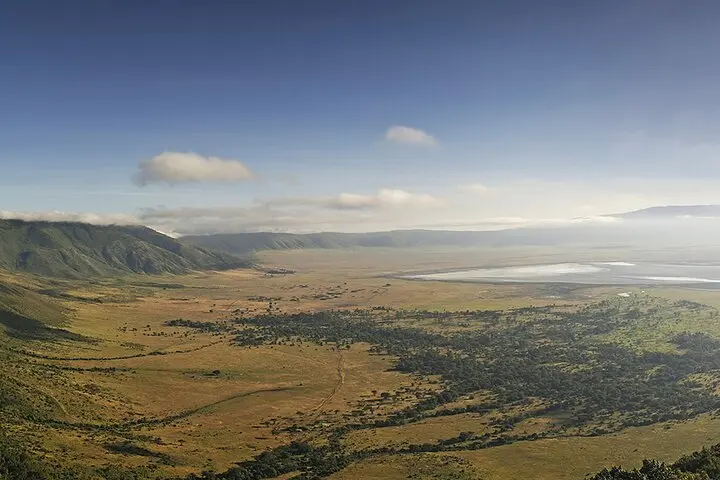
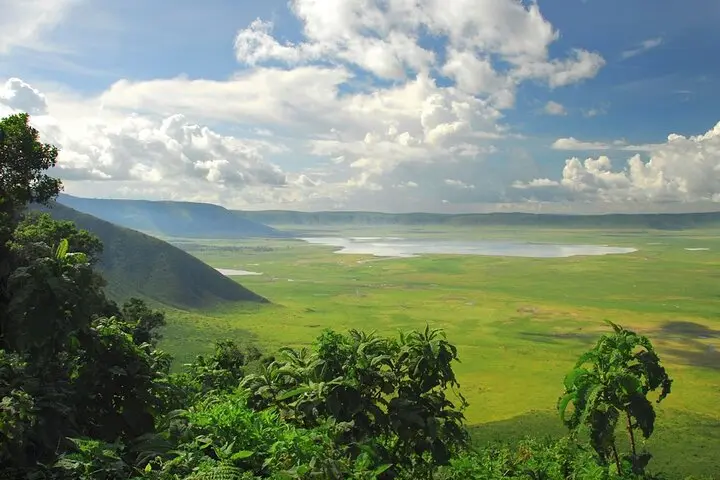
You crest the rim at first light and the crater floor opens like a living map: a wide bowl of grasslands, a soda lake rimmed in pink birds, and termite mounds breaking the plain. Vehicles thread the morning mist and the guide’s voice draws your gaze to a distant line of grazing wildebeest; somewhere behind a koppie a lion watches and waits.
Verified experiences and guided adventures in the surrounding area.
Operated by Aquiline safaris and adventures · Karatu, Arusha Region
You crest the rim at first light and the crater floor opens like a living map: a wide bowl of grasslands, a soda lake rimmed in pink birds, and termite mounds breaking the plain. Vehicles thread the morning mist and the guide’s voice draws your gaze to a distant line of grazing wildebeest; somewhere behind a koppie a lion watches and waits.
Geology here is immediate — Ngorongoro is a collapsed volcano, a caldera formed roughly two to three million years ago whose steep walls trap animals and create high-density wildlife viewing. The area also carries human history: Maasai pastoralists share the conservation landscape, and their seasonal grazing patterns are part of how the ecosystem functions.
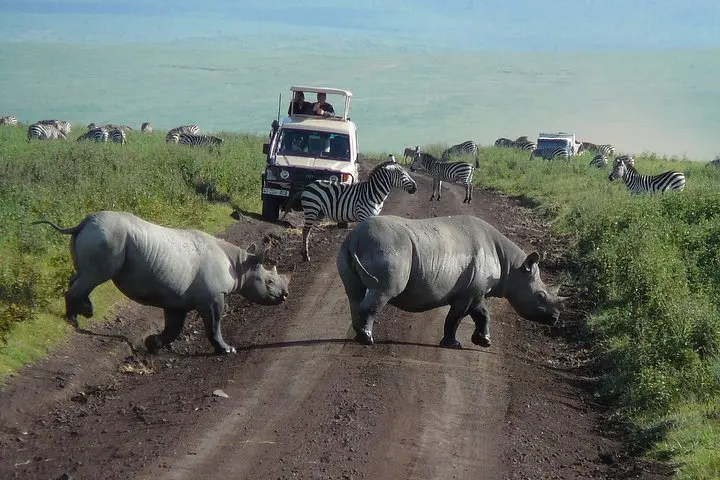
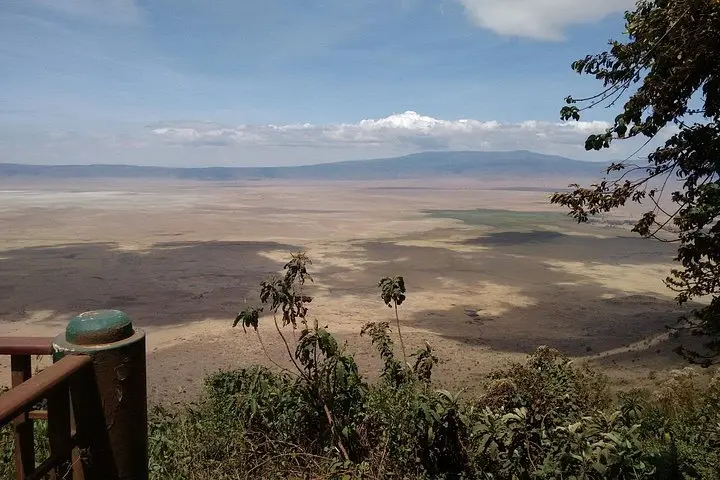
Expect concentrated game viewing rather than long hikes. Typical stops include the crater rim viewpoint and a picnic at Ngoitokok swamp (a known hippo pool), with opportunities to see elephant, buffalo, lion, and the rare black rhino. Birdlife is abundant around the soda lake where flamingos gather in season.
Practicalities: departures commonly leave Arusha early for a six-hour round trip within the crater; travel is by 4x4 and terrain is primarily graded roads and grassy plains. Bring a sun hat, binoculars, layered clothing for cool mornings, and a camera with a long lens. Follow your guide’s instructions — staying on roads and keeping a safe distance protects both you and the wildlife.
Timing matters: early morning and late afternoon concentrate activity and light. Water, sun protection, and patience reward you with close, sustained sightings in one of East Africa’s most dramatic wildlife arenas.
Typical departures leave around 06:30 and return before dark; plan for a full 10–12 hour day door-to-door with about 6 hours inside the crater.
No — guides maximize your chances and Ngorongoro has high wildlife density, but sightings depend on animal movement and weather.
Yes — the tour is vehicle-based and listed as suitable for all fitness levels, but discuss specific mobility needs with the operator ahead of booking.
Most private day tours include pickup, park fees, a boxed lunch, bottled water, and a guide; confirm specifics when booking.
Aquiline safaris and adventures operates guided outdoor trips and adventures with an emphasis on safety, stewardship, and memorable experiences.
You crest the rim at first light and the crater floor opens like a living map: a wide bowl of grasslands, a soda lake rimmed in pink birds, and termite mounds breaking the plain. Vehicles thread the morning mist and the guide’s voice draws your gaze to a distant line of grazing wildebeest; somewhere behind a koppie a lion watches and waits.
You crest the rim at first light and the crater floor opens like a living map: a wide bowl of grasslands, a soda lake rimmed in pink birds, and termite mounds breaking the plain. Vehicles thread the morning mist and the guide’s voice draws your gaze to a distant line of grazing wildebeest; somewhere behind a koppie a lion watches and waits.
Geology here is immediate — Ngorongoro is a collapsed volcano, a caldera formed roughly two to three million years ago whose steep walls trap animals and create high-density wildlife viewing. The area also carries human history: Maasai pastoralists share the conservation landscape, and their seasonal grazing patterns are part of how the ecosystem functions.
Expect concentrated game viewing rather than long hikes. Typical stops include the crater rim viewpoint and a picnic at Ngoitokok swamp (a known hippo pool), with opportunities to see elephant, buffalo, lion, and the rare black rhino. Birdlife is abundant around the soda lake where flamingos gather in season.
Practicalities: departures commonly leave Arusha early for a six-hour round trip within the crater; travel is by 4x4 and terrain is primarily graded roads and grassy plains. Bring a sun hat, binoculars, layered clothing for cool mornings, and a camera with a long lens. Follow your guide’s instructions — staying on roads and keeping a safe distance protects both you and the wildlife.
Timing matters: early morning and late afternoon concentrate activity and light. Water, sun protection, and patience reward you with close, sustained sightings in one of East Africa’s most dramatic wildlife arenas.