THE ADVENTURE COLLECTIVE® · Independent discovery and booking for outdoor travel

Descend into a volcanic caldera teeming with plains game on a private, full-day safari from Arusha. Expect early starts, a picnic lunch by the marshes and vehicle-based wildlife viewing across an 600 m-deep crater floor.
Descend into a volcanic caldera teeming with plains game on a private, full-day safari from Arusha. Expect early starts, a picnic lunch by the marshes and vehicle-based wildlife viewing across an 600 m-deep crater floor.
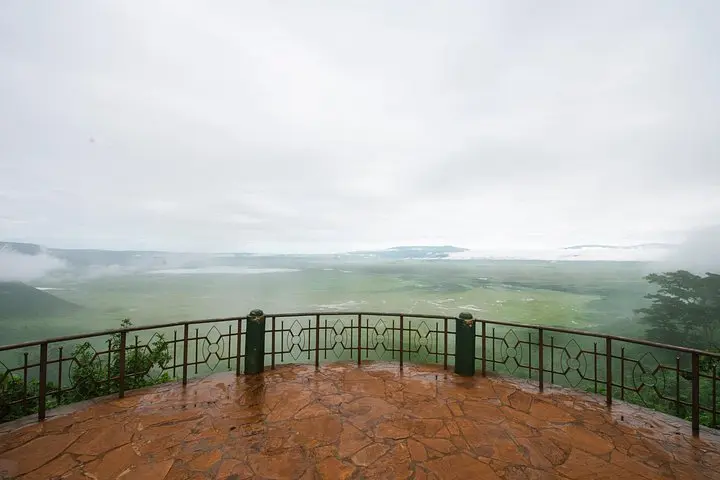
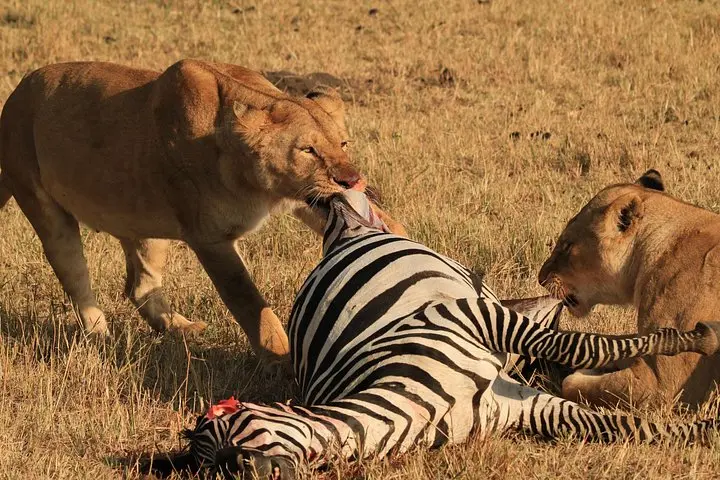
Morning light strips color across the rim as the safari vehicle threads the road from Arusha toward Ngorongoro. By the time the crater yawns below, the air smells faintly of grass and dust; a pop-up roof creaks open and the driver-guide scans the bowl for movement. The descent is immediate—forest gives way to an immense grassy floor where elephants and buffalo move like punctuation and lions lounge at watering holes.
Verified experiences and guided adventures in the surrounding area.
Operated by Safari Njema Adventures · Arusha, Arusha Region
Morning light strips color across the rim as the safari vehicle threads the road from Arusha toward Ngorongoro. By the time the crater yawns below, the air smells faintly of grass and dust; a pop-up roof creaks open and the driver-guide scans the bowl for movement. The descent is immediate—forest gives way to an immense grassy floor where elephants and buffalo move like punctuation and lions lounge at watering holes.
Ngorongoro formed when a giant volcano collapsed 2–3 million years ago; the caldera is roughly 20 km across and drops about 600 m from rim to floor. The crater contains two wooded pockets, the fever tree groves and the saline Lake Magadi with its seasonal birdlife. Maasai communities in the wider conservation area graze cattle on the highlands, and the crater's mosaic of plains, marshes and shallow lakes concentrates wildlife year-round.
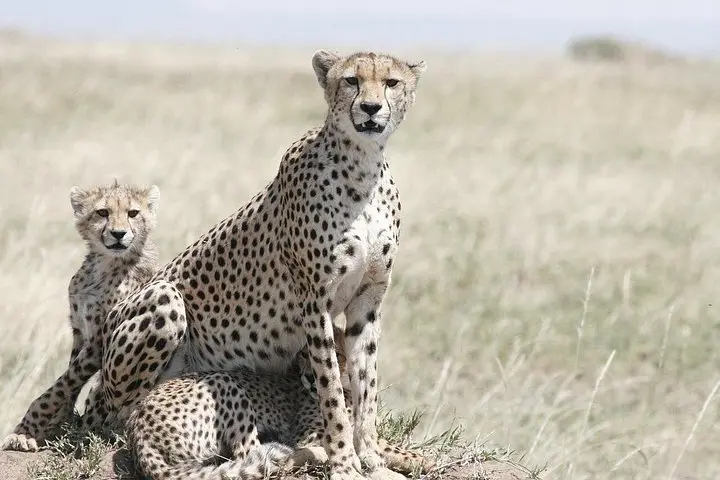
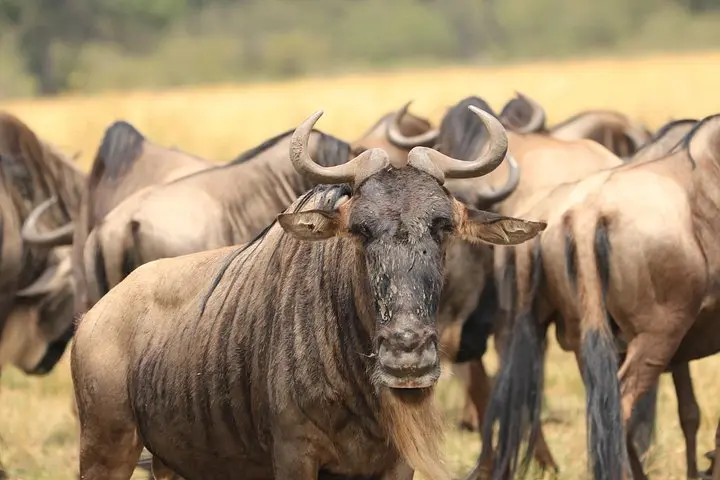
On a typical one-day excursion you'll leave Arusha at 5–6 AM, spend most of the day inside the crater with a picnic lunch near the marshes, and return by evening. Expect long stretches of vehicle-based viewing on gravel tracks, punctuated by short, guided walks where permitted. Wildlife viewing includes wildebeest, zebra, buffalo, elephants, antelope and the occasional lion; black rhino sightings are rare and require patience and luck.
Practical advice: dress in layers for cool mornings and hot afternoons, bring binoculars, sunscreen and a refillable water bottle; camera gear with a telephoto lens is recommended. Facilities are basic—restrooms at the rim and limited shade on the floor—so plan for sun protection and motion comfort. A private 4x4 with a pop-up roof and an experienced guide makes the day efficient and safe.
Expect roughly 2–3 hours each way depending on traffic and road conditions—most operators depart early to maximize time inside the crater.
Black rhinos are resident but rare; sightings are uncommon and never guaranteed—guides will take you to known rhino zones when possible.
Basic restroom facilities are available at the rim and near popular picnic sites; lunch is typically a picnic provided by the operator.
Yes — the tour is family-friendly but infants must sit on a lap and long days may be tiring for very young children.
Safari Njema Adventures operates guided outdoor trips and adventures with an emphasis on safety, stewardship, and memorable experiences.
Morning light strips color across the rim as the safari vehicle threads the road from Arusha toward Ngorongoro. By the time the crater yawns below, the air smells faintly of grass and dust; a pop-up roof creaks open and the driver-guide scans the bowl for movement. The descent is immediate—forest gives way to an immense grassy floor where elephants and buffalo move like punctuation and lions lounge at watering holes.
Morning light strips color across the rim as the safari vehicle threads the road from Arusha toward Ngorongoro. By the time the crater yawns below, the air smells faintly of grass and dust; a pop-up roof creaks open and the driver-guide scans the bowl for movement. The descent is immediate—forest gives way to an immense grassy floor where elephants and buffalo move like punctuation and lions lounge at watering holes.
Ngorongoro formed when a giant volcano collapsed 2–3 million years ago; the caldera is roughly 20 km across and drops about 600 m from rim to floor. The crater contains two wooded pockets, the fever tree groves and the saline Lake Magadi with its seasonal birdlife. Maasai communities in the wider conservation area graze cattle on the highlands, and the crater's mosaic of plains, marshes and shallow lakes concentrates wildlife year-round.
On a typical one-day excursion you'll leave Arusha at 5–6 AM, spend most of the day inside the crater with a picnic lunch near the marshes, and return by evening. Expect long stretches of vehicle-based viewing on gravel tracks, punctuated by short, guided walks where permitted. Wildlife viewing includes wildebeest, zebra, buffalo, elephants, antelope and the occasional lion; black rhino sightings are rare and require patience and luck.
Practical advice: dress in layers for cool mornings and hot afternoons, bring binoculars, sunscreen and a refillable water bottle; camera gear with a telephoto lens is recommended. Facilities are basic—restrooms at the rim and limited shade on the floor—so plan for sun protection and motion comfort. A private 4x4 with a pop-up roof and an experienced guide makes the day efficient and safe.