THE ADVENTURE COLLECTIVE® · Independent discovery and booking for outdoor travel

A single-day escape from Seattle that pairs a scenic Bainbridge ferry crossing with alpine views on Hurricane Ridge and the glacial-blue water of Lake Crescent. Ideal for travelers who want a compact but varied taste of Olympic National Park with logistics handled.
A single-day escape from Seattle that pairs a scenic Bainbridge ferry crossing with alpine views on Hurricane Ridge and the glacial-blue water of Lake Crescent. Ideal for travelers who want a compact but varied taste of Olympic National Park with logistics handled.
You’ll know the day before you see the line of mountains—because the ferry first draws a thin blue seam across Puget Sound and then the Olympic range lifts itself out of the horizon. The Bainbridge crossing peels you away from urban glass and places you into a coastal Pacific mood: gulls wheel, the water pushes at the hull, and the peninsula’s high ridges wait with a weather of their own.
Verified experiences and guided adventures in the surrounding area.
Operated by Jupiter Legend Corporation · Port Angeles, Washington
You’ll know the day before you see the line of mountains—because the ferry first draws a thin blue seam across Puget Sound and then the Olympic range lifts itself out of the horizon. The Bainbridge crossing peels you away from urban glass and places you into a coastal Pacific mood: gulls wheel, the water pushes at the hull, and the peninsula’s high ridges wait with a weather of their own.
This is a full-day loop: a 45-minute ferry to Bainbridge Island, a drive over the Hood Canal route, a high-country stop at Hurricane Ridge and a quieter afternoon at Lake Crescent before the ferry returns. Hurricane Ridge sits roughly 5,200 ft above sea level and offers alpine meadows and quick, panoramic hikes—Hurricane Hill’s well-graded trail is roughly 3.2 miles round-trip with about 700 ft of elevation gain. Lake Crescent, at about 580 ft elevation and plunging to a depth of some 600+ feet, presents a different mood: still, bright-blue water formed by glacial scouring at the end of the last ice age.
Olympic National Park contains at least four distinct ecosystems—coastline, alpine, temperate rainforest and rain-shadow forests—and this tour threads a couple of those together in a single day. The park’s isolation on the peninsula allowed unique plant communities to persist; old-growth stands and endemic species survived where mainland forests were logged. Local Klallam people traveled these lands for generations; you’ll pass through places still carrying indigenous place names and seasonal foraging histories.
Expect rapid weather changes. The ridge can be wind-scoured in minutes and fog can close views; conversely clear afternoons can reveal the Cascades to the east and the Strait of Juan de Fuca to the north. The guides include park entrance and ferry fares, plus bottled water and a boxed lunch—practical details that let you focus on the landscape rather than logistics.
Plan for an 11-hour day with several short on-foot stops rather than long backcountry treks. Footwear: sturdy hiking shoes with good grip for damp boardwalks and rocky overlooks. Layers are essential—wind, sun and a drizzle are all likely on one outing. Bring a compact daypack, a refillable bottle (water provided but refill stations are limited), sunscreen, and a camera with polarizing filter for the lake’s reflections.
Timing matters: morning ferry crossings give calmer seas and clearer coastal light; arriving to Hurricane Ridge before midday increases your odds of clear vistas. If high-country roads or the ridge are closed by weather, the itinerary pivots to coastal stops like Ediz Hook or East Beach, which still showcase the park’s variety.
This tour is best for travelers who want a wide, accessible introduction to Olympic’s contrasts in one day—glacier-planed lakes, wind-pushed ridgelines, and a ferry that bookends the trip with maritime theater.
The tour is about 11 hours (660 minutes); pickup times vary by hotel but expect to return to Seattle in the evening—exact times depend on traffic and ferry schedule.
Yes—the roundtrip Bainbridge ferry tickets are included in the tour price.
A boxed lunch (typically a sandwich), bottled water and a snack are included; bring extra snacks if you have specific dietary needs.
This is a guided group tour; if you choose to leave the group you must sign a departure agreement and liability will shift to you—notify the guide in advance.
If the ridge is closed the itinerary pivots to alternatives such as Ediz Hook and East Beach so you still see coastal and park highlights.
Yes, it’s suitable for most ages and fitness levels; infants must sit on laps and booster seats may be required for young children—contact the operator if you need one.
Jupiter Legend Corporation operates guided outdoor trips and adventures with an emphasis on safety, stewardship, and memorable experiences.

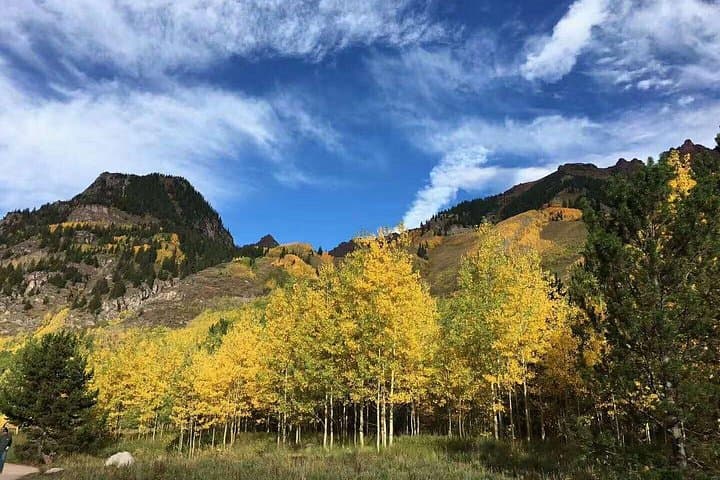


You’ll know the day before you see the line of mountains—because the ferry first draws a thin blue seam across Puget Sound and then the Olympic range lifts itself out of the horizon. The Bainbridge crossing peels you away from urban glass and places you into a coastal Pacific mood: gulls wheel, the water pushes at the hull, and the peninsula’s high ridges wait with a weather of their own.
You’ll know the day before you see the line of mountains—because the ferry first draws a thin blue seam across Puget Sound and then the Olympic range lifts itself out of the horizon. The Bainbridge crossing peels you away from urban glass and places you into a coastal Pacific mood: gulls wheel, the water pushes at the hull, and the peninsula’s high ridges wait with a weather of their own.
This is a full-day loop: a 45-minute ferry to Bainbridge Island, a drive over the Hood Canal route, a high-country stop at Hurricane Ridge and a quieter afternoon at Lake Crescent before the ferry returns. Hurricane Ridge sits roughly 5,200 ft above sea level and offers alpine meadows and quick, panoramic hikes—Hurricane Hill’s well-graded trail is roughly 3.2 miles round-trip with about 700 ft of elevation gain. Lake Crescent, at about 580 ft elevation and plunging to a depth of some 600+ feet, presents a different mood: still, bright-blue water formed by glacial scouring at the end of the last ice age.
Olympic National Park contains at least four distinct ecosystems—coastline, alpine, temperate rainforest and rain-shadow forests—and this tour threads a couple of those together in a single day. The park’s isolation on the peninsula allowed unique plant communities to persist; old-growth stands and endemic species survived where mainland forests were logged. Local Klallam people traveled these lands for generations; you’ll pass through places still carrying indigenous place names and seasonal foraging histories.
Expect rapid weather changes. The ridge can be wind-scoured in minutes and fog can close views; conversely clear afternoons can reveal the Cascades to the east and the Strait of Juan de Fuca to the north. The guides include park entrance and ferry fares, plus bottled water and a boxed lunch—practical details that let you focus on the landscape rather than logistics.
Plan for an 11-hour day with several short on-foot stops rather than long backcountry treks. Footwear: sturdy hiking shoes with good grip for damp boardwalks and rocky overlooks. Layers are essential—wind, sun and a drizzle are all likely on one outing. Bring a compact daypack, a refillable bottle (water provided but refill stations are limited), sunscreen, and a camera with polarizing filter for the lake’s reflections.
Timing matters: morning ferry crossings give calmer seas and clearer coastal light; arriving to Hurricane Ridge before midday increases your odds of clear vistas. If high-country roads or the ridge are closed by weather, the itinerary pivots to coastal stops like Ediz Hook or East Beach, which still showcase the park’s variety.
This tour is best for travelers who want a wide, accessible introduction to Olympic’s contrasts in one day—glacier-planed lakes, wind-pushed ridgelines, and a ferry that bookends the trip with maritime theater.