THE ADVENTURE COLLECTIVE® · Independent discovery and booking for outdoor travel

Ascend from Senaru Village to the Senaru Crater Rim in a long, rewarding day that serves sweeping Gili Island views and close-up volcanic scenery. This practical day-hike guide covers what to expect, how to prepare, and local insights that improve the experience.
Ascend from Senaru Village to the Senaru Crater Rim in a long, rewarding day that serves sweeping Gili Island views and close-up volcanic scenery. This practical day-hike guide covers what to expect, how to prepare, and local insights that improve the experience.
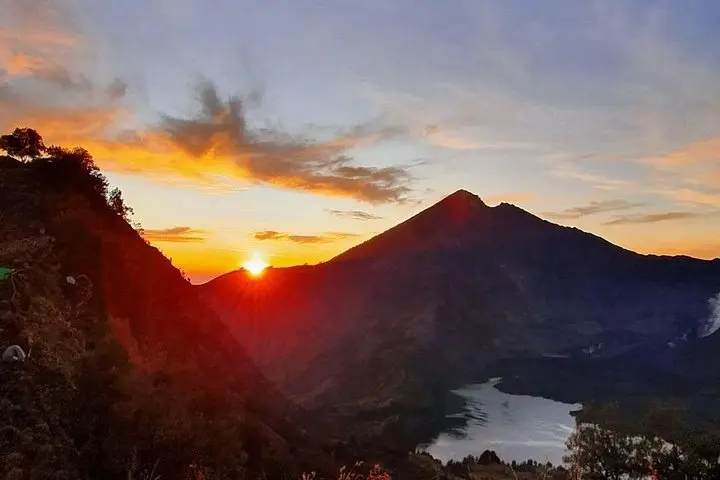
Dawn breaks over Senaru Village and the trailhead fills with cool, humid air—the mountain seems to breathe as you begin the climb. The first kilometers thread through shaded forest, roots and volcanic scree trading places across the path, and then the slope opens to raw, rocky switchbacks that push you upward toward the crater rim. At the rim, wind and light combine to reveal the blue patchwork of the Gili Islands and, on clear days, Mount Agung’s distant silhouette on Bali.
Verified experiences and guided adventures in the surrounding area.
Operated by Lombok Trekking Info · Senaru, West Nusa Tenggara
Dawn breaks over Senaru Village and the trailhead fills with cool, humid air—the mountain seems to breathe as you begin the climb. The first kilometers thread through shaded forest, roots and volcanic scree trading places across the path, and then the slope opens to raw, rocky switchbacks that push you upward toward the crater rim. At the rim, wind and light combine to reveal the blue patchwork of the Gili Islands and, on clear days, Mount Agung’s distant silhouette on Bali.
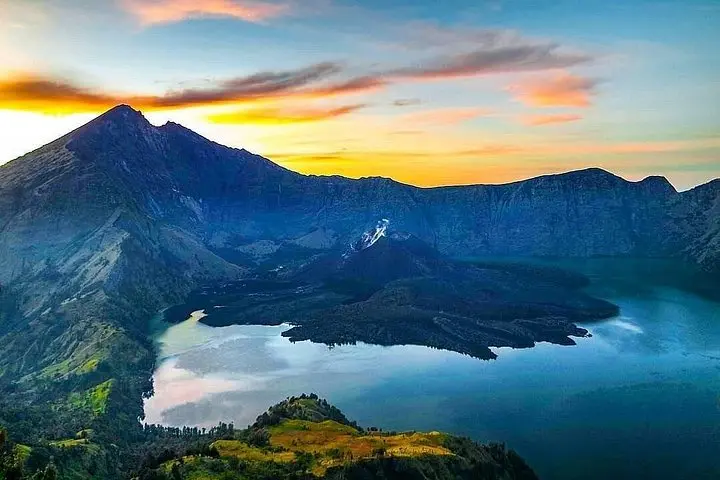
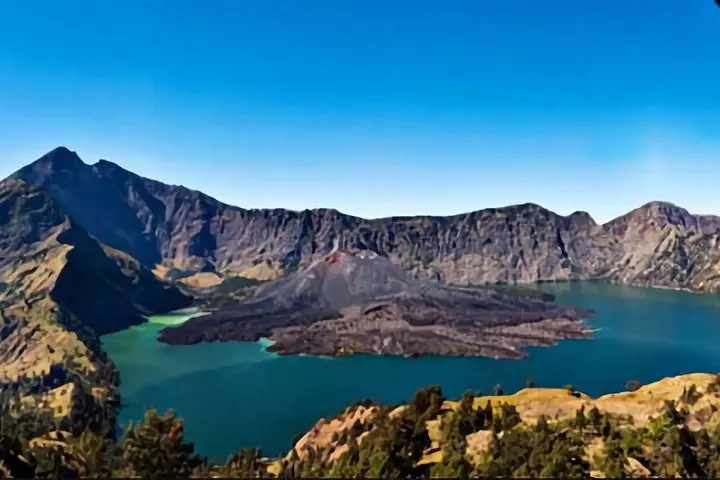
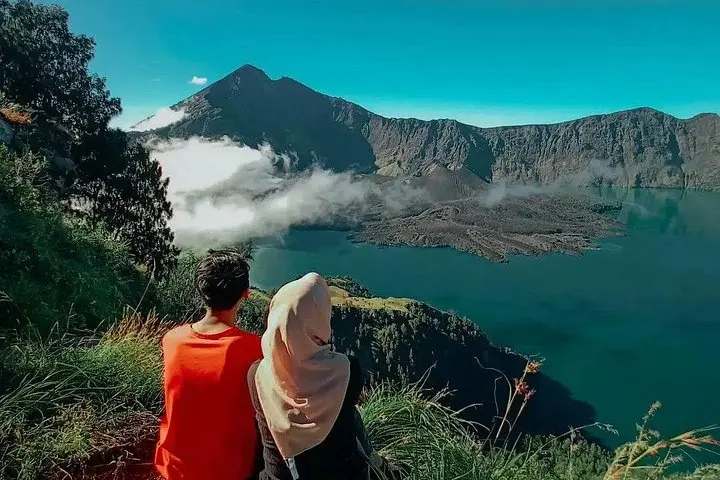
Geologically, Rinjani is a large stratovolcano shaped by repeated eruptions; the Senaru Crater Rim looks down into a collapsed caldera that contains Segara Anak lake and the high ridge that created Lombok’s dramatic northern profile. Culturally the mountain is sacred to the Sasak people—offerings and small shrines are still found along routes—and Senaru village retains traditional weaving and agrarian practices that contrast with the alpine scrub higher up.
Practical guidance is straightforward: this is a steep, sustained ascent with loose rock near the top, so pace conservatively and protect knees on the descent. Start early (the operator typically departs around 06:30–07:00), carry at least 2–3 liters of water, sun protection, and layers for wind and sudden temperature drops at elevation. Guides commonly provide a packed lunch and trekking poles; a headlamp is useful for pre-dawn stretches. Weather shifts quickly—check forecasts and expect cooler temperatures on the rim. With firm footwear, steady pacing, and respect for altitude, a one-day return to the Senaru Crater Rim delivers concentrated alpine drama and sweeping island views without overnight logistics.
You should have a good baseline of fitness—regular uphill walking, stair-climbing, or hill repeats will prepare you for 5+ hours of sustained ascent and a full-day outing.
Guides are typically included with organized day treks and familiar with trail conditions; Rinjani is inside a national park, and organized operators handle any park fees and route logistics.
Expect tropical variability: mornings are often calm and clear, but wind and clouds can build quickly; the rim will be significantly cooler and windier than Senaru Village.
This day route gains substantial elevation—take it slow, stay hydrated, and watch for symptoms (headache, nausea); if you have prior issues with altitude, consult your doctor before booking.
Lombok Trekking Info operates guided outdoor trips and adventures with an emphasis on safety, stewardship, and memorable experiences.
Dawn breaks over Senaru Village and the trailhead fills with cool, humid air—the mountain seems to breathe as you begin the climb. The first kilometers thread through shaded forest, roots and volcanic scree trading places across the path, and then the slope opens to raw, rocky switchbacks that push you upward toward the crater rim. At the rim, wind and light combine to reveal the blue patchwork of the Gili Islands and, on clear days, Mount Agung’s distant silhouette on Bali.
Dawn breaks over Senaru Village and the trailhead fills with cool, humid air—the mountain seems to breathe as you begin the climb. The first kilometers thread through shaded forest, roots and volcanic scree trading places across the path, and then the slope opens to raw, rocky switchbacks that push you upward toward the crater rim. At the rim, wind and light combine to reveal the blue patchwork of the Gili Islands and, on clear days, Mount Agung’s distant silhouette on Bali.
Geologically, Rinjani is a large stratovolcano shaped by repeated eruptions; the Senaru Crater Rim looks down into a collapsed caldera that contains Segara Anak lake and the high ridge that created Lombok’s dramatic northern profile. Culturally the mountain is sacred to the Sasak people—offerings and small shrines are still found along routes—and Senaru village retains traditional weaving and agrarian practices that contrast with the alpine scrub higher up.
Practical guidance is straightforward: this is a steep, sustained ascent with loose rock near the top, so pace conservatively and protect knees on the descent. Start early (the operator typically departs around 06:30–07:00), carry at least 2–3 liters of water, sun protection, and layers for wind and sudden temperature drops at elevation. Guides commonly provide a packed lunch and trekking poles; a headlamp is useful for pre-dawn stretches. Weather shifts quickly—check forecasts and expect cooler temperatures on the rim. With firm footwear, steady pacing, and respect for altitude, a one-day return to the Senaru Crater Rim delivers concentrated alpine drama and sweeping island views without overnight logistics.