THE ADVENTURE COLLECTIVE® · Independent discovery and booking for outdoor travel

Experience a full day through the Sacred Valley’s high terraces, salt pans and Inca towns — from Maras’ glittering salt ponds to Moray’s circular agricultural labs. This guided day trip mixes archaeology, culture and sweeping mountain panoramas.
Experience a full day through the Sacred Valley’s high terraces, salt pans and Inca towns — from Maras’ glittering salt ponds to Moray’s circular agricultural labs. This guided day trip mixes archaeology, culture and sweeping mountain panoramas.
You set out before sunrise from Cusco, the chill of the high Andes pressing at your jacket as the road drops into a wide river valley. Fields open like a series of stepped rooms: terraces that slope and hold the light. Villages pass in a rhythm of stone houses, grazing llamas and roadside stalls selling warm bread and textiles that still carry the colors of Andean dye.
Verified experiences and guided adventures in the surrounding area.
Operated by LIBERTREK PERU TRAVEL · Cusco, Cusco
You set out before sunrise from Cusco, the chill of the high Andes pressing at your jacket as the road drops into a wide river valley. Fields open like a series of stepped rooms: terraces that slope and hold the light. Villages pass in a rhythm of stone houses, grazing llamas and roadside stalls selling warm bread and textiles that still carry the colors of Andean dye.
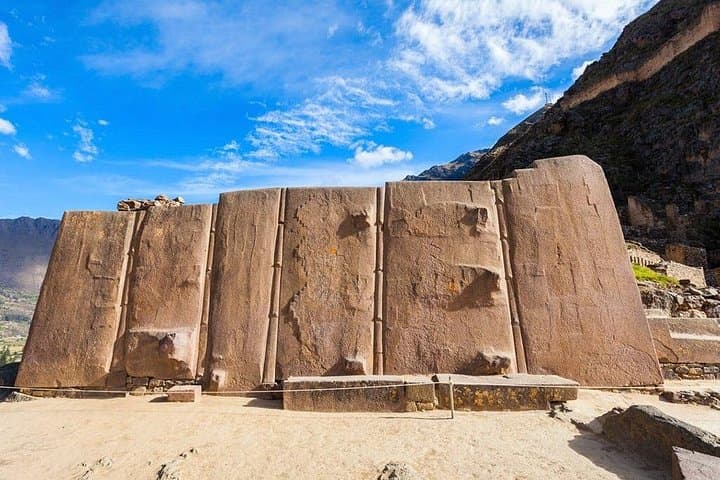
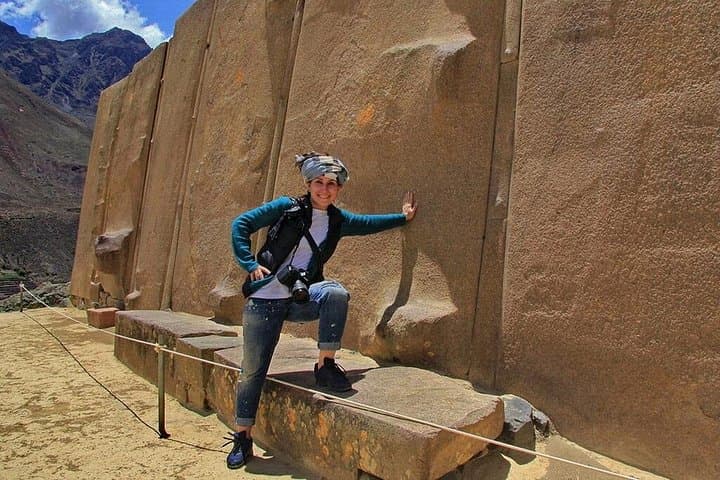
This is the Sacred Valley — an agricultural heartland the Incas engineered for experimentation and sustenance. At Moray you peer into concentric terraces carved into a natural amphitheater; temperature bands change with each level and the site reads like an open-air laboratory. Nearby Maras’ salt pans glitter like thousands of tiny ponds, a pre-Columbian industry still hand-harvested, while Ollantaytambo presents massive carved stones and narrow streets that remain occupied in their original Inca plan. Pisac combines a bustling craft market with steep, irrigated terraces clinging to the mountain.
Expect mostly short walks between viewpoints and stair-stepped ruins — the tour is long (11–13 hours) but not technically demanding. Bring hydration, sun protection and layered clothing for quick temperature swings. Carry small bills for crafts and the salt pools; cameras and batteries are essential for expansive valley panoramas.
Plan for altitude transitions: take it steady in the morning, sip water often, and choose shoes with good traction for uneven stone steps. By dusk you'll be back in Cusco with a clearer sense of how Inca engineering continues to shape life in the high Andes.
The tour indicates a partial tourist ticket covers Pisac, Ollantaytambo, Chinchero and Moray; the Salineras entrance is also included per the operator’s listing.
Pickup commonly begins around 07:00 from hotels in Cusco; confirm a specific pickup point and time when booking.
Some travelers experience mild symptoms; rest, hydrate, avoid alcohol beforehand and speak to your guide if symptoms worsen.
A buffet lunch in Urubamba is included on the itinerary; bring snacks for the morning or afternoon if you prefer.
LIBERTREK PERU TRAVEL operates guided outdoor trips and adventures with an emphasis on safety, stewardship, and memorable experiences.


You set out before sunrise from Cusco, the chill of the high Andes pressing at your jacket as the road drops into a wide river valley. Fields open like a series of stepped rooms: terraces that slope and hold the light. Villages pass in a rhythm of stone houses, grazing llamas and roadside stalls selling warm bread and textiles that still carry the colors of Andean dye.
You set out before sunrise from Cusco, the chill of the high Andes pressing at your jacket as the road drops into a wide river valley. Fields open like a series of stepped rooms: terraces that slope and hold the light. Villages pass in a rhythm of stone houses, grazing llamas and roadside stalls selling warm bread and textiles that still carry the colors of Andean dye.
This is the Sacred Valley — an agricultural heartland the Incas engineered for experimentation and sustenance. At Moray you peer into concentric terraces carved into a natural amphitheater; temperature bands change with each level and the site reads like an open-air laboratory. Nearby Maras’ salt pans glitter like thousands of tiny ponds, a pre-Columbian industry still hand-harvested, while Ollantaytambo presents massive carved stones and narrow streets that remain occupied in their original Inca plan. Pisac combines a bustling craft market with steep, irrigated terraces clinging to the mountain.
Expect mostly short walks between viewpoints and stair-stepped ruins — the tour is long (11–13 hours) but not technically demanding. Bring hydration, sun protection and layered clothing for quick temperature swings. Carry small bills for crafts and the salt pools; cameras and batteries are essential for expansive valley panoramas.
Plan for altitude transitions: take it steady in the morning, sip water often, and choose shoes with good traction for uneven stone steps. By dusk you'll be back in Cusco with a clearer sense of how Inca engineering continues to shape life in the high Andes.