THE ADVENTURE COLLECTIVE® · Independent discovery and booking for outdoor travel

Cover Agra’s highlights in a single day with the Gatimaan Express: Taj Mahal, Agra Fort, Itimad‑ud‑Daulah and Mehtab Bagh. Practical routing, included lunch, and hotel transfers make this a compact cultural jump from Delhi.
Cover Agra’s highlights in a single day with the Gatimaan Express: Taj Mahal, Agra Fort, Itimad‑ud‑Daulah and Mehtab Bagh. Practical routing, included lunch, and hotel transfers make this a compact cultural jump from Delhi.
The morning begins on a platform in Delhi: cool air, the metallic clack of rails, and the Gatimaan Express sliding east toward the Yamuna. By 09:50 the train pulls into Agra Cantt and the city opens like a chapter—red sandstone ramparts, Mughal domes, and the slow, silver sweep of the river that frames the Taj.
Verified experiences and guided adventures in the surrounding area.
Operated by Atul Holidays · Agra, Uttar Pradesh
The morning begins on a platform in Delhi: cool air, the metallic clack of rails, and the Gatimaan Express sliding east toward the Yamuna. By 09:50 the train pulls into Agra Cantt and the city opens like a chapter—red sandstone ramparts, Mughal domes, and the slow, silver sweep of the river that frames the Taj.
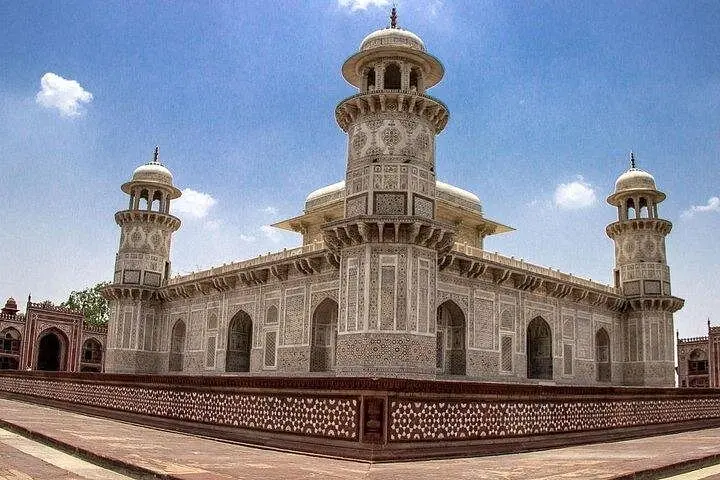
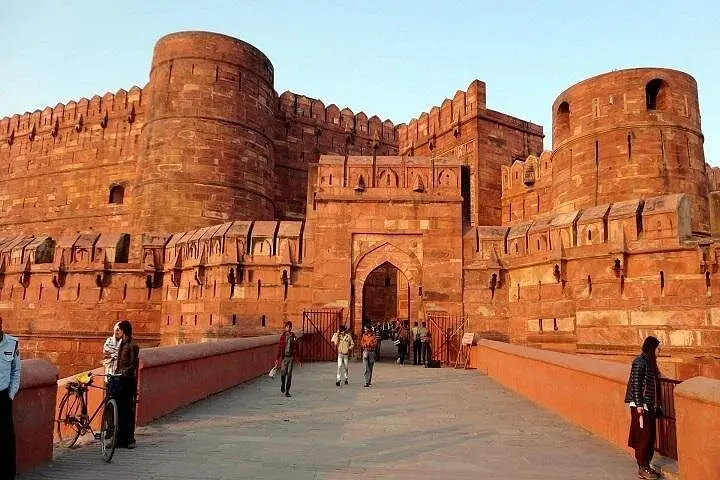
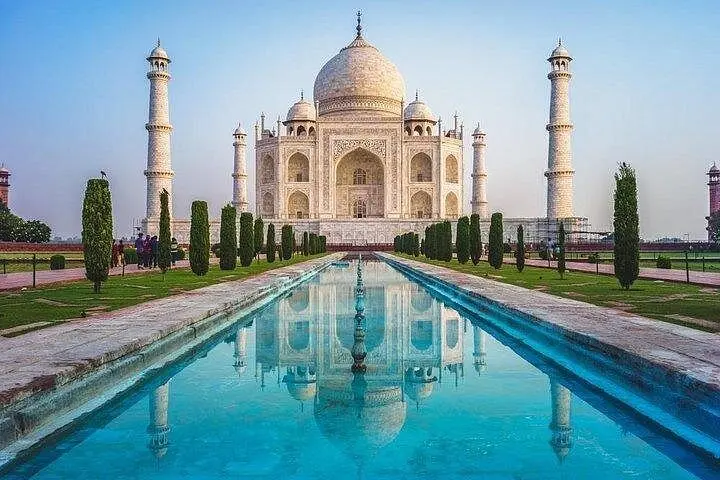
The Taj Mahal dominates the day. Built between 1632 and 1653 by Shah Jahan for Mumtaz Mahal, its white marble inlay and calligraphic panels reveal Mughal craft and imperial ambition. Nearby, Agra Fort—largely Akbar’s 16th-century work—reads as a fortified court where politics and garden design intersect. Itimad-ud-Daulah, the so-called “Baby Taj,” shows an evolution toward pietra dura detail and smaller-scale intimacy. Across the Yamuna, Mehtab Bagh offers a quieter vantage point for late-afternoon light and reflection.
Culturally, the route underscores Agra’s role as a riverine trade and artisan center; marble workers and carpet makers still shape the local economy. Geologically, the Taj’s marble came from Makrana; the soft alluvial plain of the Yamuna supports the gardens and the city’s historic footprint.
Practical notes: expect a full 12-hour day with walking on flagged paths and uneven stone steps. Security searches are standard at monuments—carry ID and minimal bags. Bottled water and a hotel lunch are included; wear sun protection and comfortable shoes. Time your visit for early morning or late afternoon to avoid mid-day glare and tighter crowds. This itinerary packs the essentials of Agra into one efficient, train-linked day.
Yes—round‑trip train tickets between Delhi and Agra are included as part of this tour.
No—the Taj Mahal is closed for general visitors on Fridays for Friday prayers; plan accordingly.
The itinerary typically allows about 1.5–2 hours at the Taj complex, enough for main views and photography at a measured pace.
Some areas offer wheelchair accessibility but expect steps and uneven surfaces at older buildings; check ahead for specific assistance needs.
Atul Holidays operates guided outdoor trips and adventures with an emphasis on safety, stewardship, and memorable experiences.

The morning begins on a platform in Delhi: cool air, the metallic clack of rails, and the Gatimaan Express sliding east toward the Yamuna. By 09:50 the train pulls into Agra Cantt and the city opens like a chapter—red sandstone ramparts, Mughal domes, and the slow, silver sweep of the river that frames the Taj.
The morning begins on a platform in Delhi: cool air, the metallic clack of rails, and the Gatimaan Express sliding east toward the Yamuna. By 09:50 the train pulls into Agra Cantt and the city opens like a chapter—red sandstone ramparts, Mughal domes, and the slow, silver sweep of the river that frames the Taj.
The Taj Mahal dominates the day. Built between 1632 and 1653 by Shah Jahan for Mumtaz Mahal, its white marble inlay and calligraphic panels reveal Mughal craft and imperial ambition. Nearby, Agra Fort—largely Akbar’s 16th-century work—reads as a fortified court where politics and garden design intersect. Itimad-ud-Daulah, the so-called “Baby Taj,” shows an evolution toward pietra dura detail and smaller-scale intimacy. Across the Yamuna, Mehtab Bagh offers a quieter vantage point for late-afternoon light and reflection.
Culturally, the route underscores Agra’s role as a riverine trade and artisan center; marble workers and carpet makers still shape the local economy. Geologically, the Taj’s marble came from Makrana; the soft alluvial plain of the Yamuna supports the gardens and the city’s historic footprint.
Practical notes: expect a full 12-hour day with walking on flagged paths and uneven stone steps. Security searches are standard at monuments—carry ID and minimal bags. Bottled water and a hotel lunch are included; wear sun protection and comfortable shoes. Time your visit for early morning or late afternoon to avoid mid-day glare and tighter crowds. This itinerary packs the essentials of Agra into one efficient, train-linked day.