THE ADVENTURE COLLECTIVE® · Independent discovery and booking for outdoor travel

Rise early in Arusha and spend a long day tracking elephants, lions, and birds through Tarangire’s baobab-dotted savannah. This budget group safari delivers concentrated wildlife viewing with a straightforward, vehicle-based rhythm ideal for first-time safari-goers.
Rise early in Arusha and spend a long day tracking elephants, lions, and birds through Tarangire’s baobab-dotted savannah. This budget group safari delivers concentrated wildlife viewing with a straightforward, vehicle-based rhythm ideal for first-time safari-goers.
A pre-dawn pickup in Arusha feels practical and urgent: headlights cut through acacia silhouettes as the Land Cruiser steams toward the horizon. By the time the sun climbs, baobab crowns and the Tarangire River appear, and the landscape shifts from cultivated rim to broad savannah where elephant herds move with deliberate purpose.
Verified experiences and guided adventures in the surrounding area.
Operated by AFRICA NATURAL TOURS · Arusha, Manyara Region
A pre-dawn pickup in Arusha feels practical and urgent: headlights cut through acacia silhouettes as the Land Cruiser steams toward the horizon. By the time the sun climbs, baobab crowns and the Tarangire River appear, and the landscape shifts from cultivated rim to broad savannah where elephant herds move with deliberate purpose.
Tarangire National Park is defined by its seasonal river and ancient baobab groves. Formally protected in the late 20th century, the park’s low-lying plains, riverine woodlands and patches of acacia and termite-studded kopjes support concentrated dry-season wildlife. The local Maasai culture still shapes the edges of the park; grazing corridors and community-run conservancies are part of daily life here.
Expect a full-day rhythm: a roughly 6:00 AM departure from Arusha, 2–2.5 hours of scenic drive, morning and afternoon game drives, a picnic lunch beside the river and an early evening return. Terrain is mostly sandy tracks and short grass savannah at roughly 900–1,100 m elevation — comfortable for vehicle-based viewing but dusty when dry.
Practical guidance: travel in a 4x4 with a pop-up roof for viewing, bring binoculars and a telephoto lens, and carry sun protection and a refillable water bottle (purified water often provided). Restroom stops are limited; wear sturdy shoes for short walks and be ready for warm days and cooler mornings. Tipping your guide, staying on designated tracks and respecting wildlife distances make the day safer and more rewarding.
Most departures leave Arusha around 6:00 AM, arrive at Tarangire mid-morning, and return to Arusha in the early evening—plan for roughly a 10–12 hour day.
This tour lists park fees and a packed picnic lunch as included; confirm details with the operator before travel.
The safari is vehicle-based and suitable for children; brief walks are optional—those with limited mobility should notify the operator to arrange appropriate seating and assistance.
During the dry season (June–October), elephants concentrate near the Tarangire River, offering the most reliable viewing opportunities.
AFRICA NATURAL TOURS operates guided outdoor trips and adventures with an emphasis on safety, stewardship, and memorable experiences.
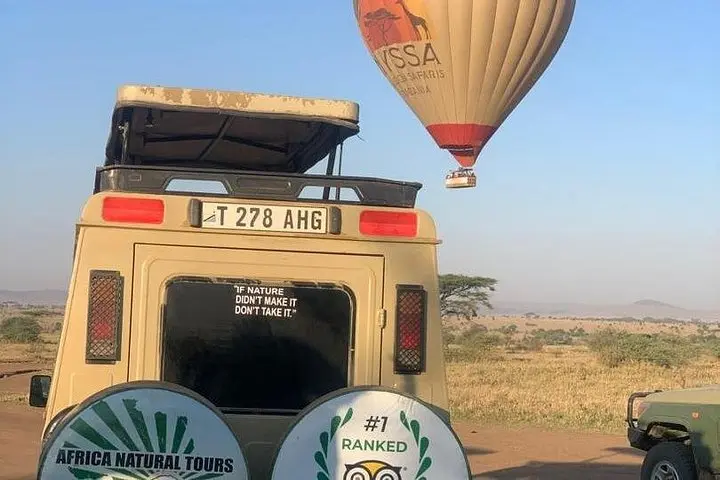


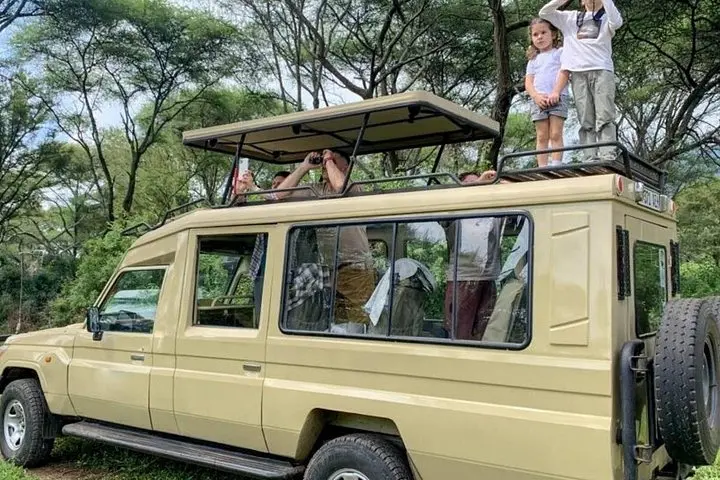
A pre-dawn pickup in Arusha feels practical and urgent: headlights cut through acacia silhouettes as the Land Cruiser steams toward the horizon. By the time the sun climbs, baobab crowns and the Tarangire River appear, and the landscape shifts from cultivated rim to broad savannah where elephant herds move with deliberate purpose.
A pre-dawn pickup in Arusha feels practical and urgent: headlights cut through acacia silhouettes as the Land Cruiser steams toward the horizon. By the time the sun climbs, baobab crowns and the Tarangire River appear, and the landscape shifts from cultivated rim to broad savannah where elephant herds move with deliberate purpose.
Tarangire National Park is defined by its seasonal river and ancient baobab groves. Formally protected in the late 20th century, the park’s low-lying plains, riverine woodlands and patches of acacia and termite-studded kopjes support concentrated dry-season wildlife. The local Maasai culture still shapes the edges of the park; grazing corridors and community-run conservancies are part of daily life here.
Expect a full-day rhythm: a roughly 6:00 AM departure from Arusha, 2–2.5 hours of scenic drive, morning and afternoon game drives, a picnic lunch beside the river and an early evening return. Terrain is mostly sandy tracks and short grass savannah at roughly 900–1,100 m elevation — comfortable for vehicle-based viewing but dusty when dry.
Practical guidance: travel in a 4x4 with a pop-up roof for viewing, bring binoculars and a telephoto lens, and carry sun protection and a refillable water bottle (purified water often provided). Restroom stops are limited; wear sturdy shoes for short walks and be ready for warm days and cooler mornings. Tipping your guide, staying on designated tracks and respecting wildlife distances make the day safer and more rewarding.