THE ADVENTURE COLLECTIVE® · Independent discovery and booking for outdoor travel

Walk from Ryōgoku to Asakusa, ride a 40-minute Sumida River cruise, and sip matcha in Hama-rikyū as you trace Tokyo’s transformation from Edo. This full-day, guide-led itinerary mixes museums, shrine rituals, and waterfront views for a concrete sense of the city’s past and present.
Walk from Ryōgoku to Asakusa, ride a 40-minute Sumida River cruise, and sip matcha in Hama-rikyū as you trace Tokyo’s transformation from Edo. This full-day, guide-led itinerary mixes museums, shrine rituals, and waterfront views for a concrete sense of the city’s past and present.
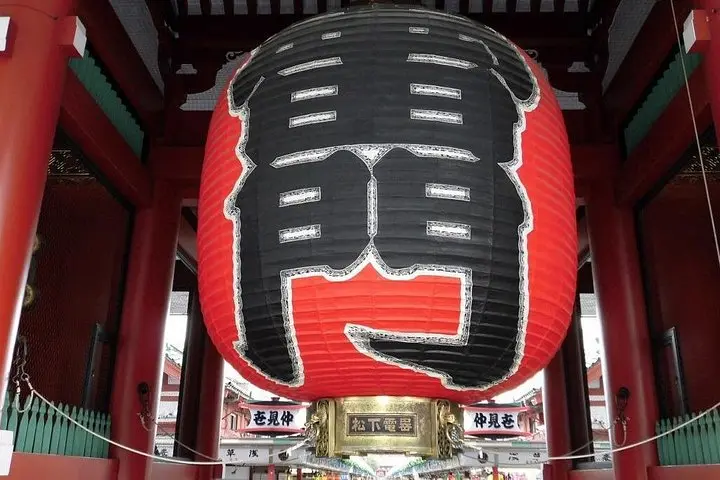
You step off the JR Sōbu line into a street framed by ramen shops and sport banners — Ryōgoku’s wooden ema sway, and behind them the Edo-Tokyo Museum crouches like a history book opened to a bold chapter. The tour moves at city-walking pace: narrow shopping lanes, the incense-thin air of Sensō-ji in Asakusa, then the Sumida River daring you west toward the clipped lawns of Hama-rikyū.
Verified experiences and guided adventures in the surrounding area.
Operated by Fulfilling Inc. · Tokyo, Tokyo
You step off the JR Sōbu line into a street framed by ramen shops and sport banners — Ryōgoku’s wooden ema sway, and behind them the Edo-Tokyo Museum crouches like a history book opened to a bold chapter. The tour moves at city-walking pace: narrow shopping lanes, the incense-thin air of Sensō-ji in Asakusa, then the Sumida River daring you west toward the clipped lawns of Hama-rikyū.
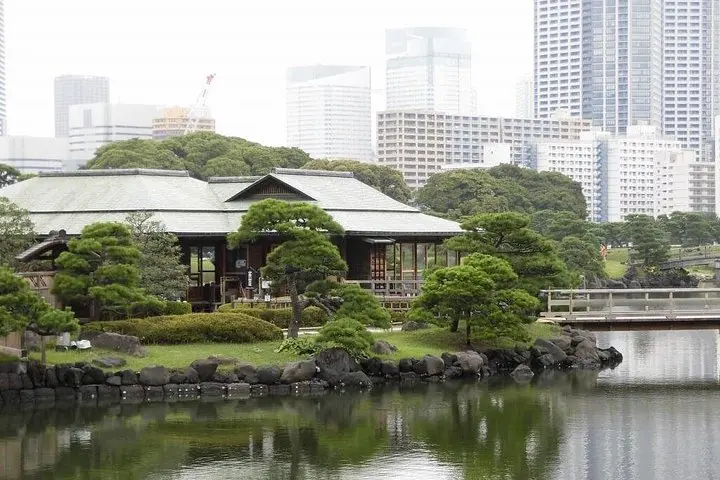
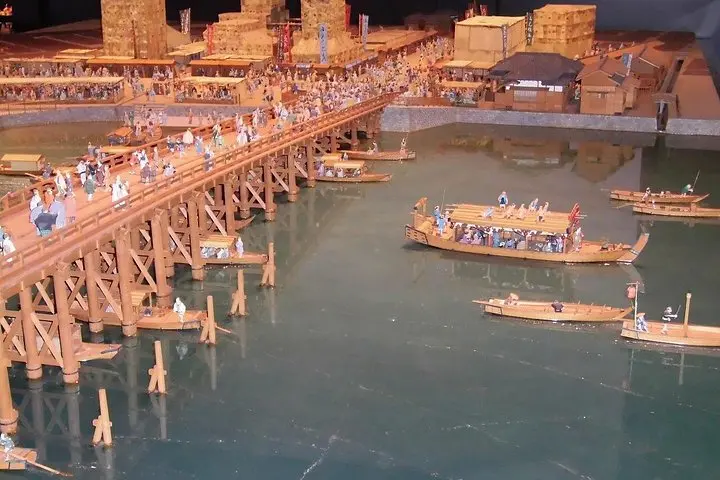
This route traces Tokyo’s birth as Edo after 1603, when Tokugawa Ieyasu placed power where river and sea met. The landscape here is young — reclaimed delta flats and engineered waterways — so the city’s story is as much civil engineering as court ritual. Along the way, you’ll see Edo-era samurai districts reworked into modern neighborhoods, Shinto purification customs at shrine basins, and the tea house rhythm of Hama-rikyū where the shoguns once relaxed.
Expect roughly 7–8 hours of walking and short transfers with a 40-minute Sumida river cruise (Asakusa to Hama-rikyū) that gives a marine edge to the city tour. The guide layers context: who the shoguns were, why the river mattered, and how modern Tokyo grew on reclaimed land.
Practical edge: wear supportive shoes, carry a light rain layer and a small water bottle, and bring cash for small shrine offerings or a matcha in the garden. Start in the morning to avoid the afternoon crowds in Asakusa and allow a late-afternoon exit at Tsukijishijō or Shiodome. The itinerary balances history, urban geology, and hands-on cultural moments — ideal for travelers who want to feel Tokyo’s past under their feet while still moving at city pace.
The tour typically starts at JR Sōbu Line Ryōgoku Station (West Exit) and finishes near Tsukijishijō or Shiodome subway stations.
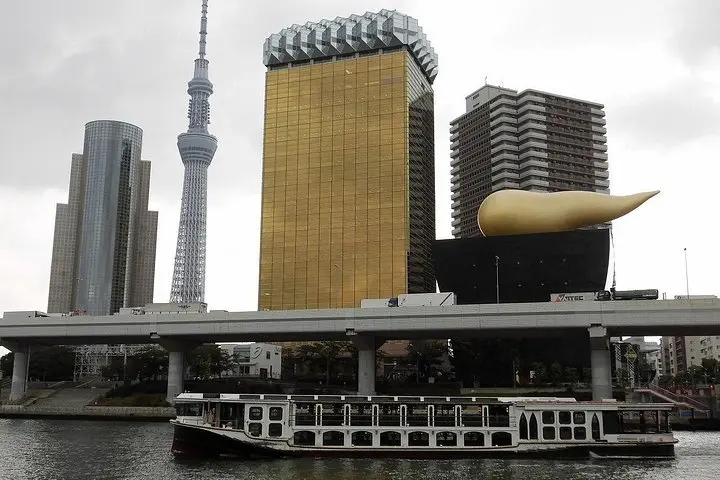
The tour includes a roughly 40-minute Sumida River cruise segment from Asakusa toward Hama-rikyū; check the itinerary for exact routing.
Admission to specific museums like the Edo-Tokyo Museum is usually not included—confirm at booking and carry cash or card for entry fees.
Plan for several short walks between sites totaling about 5–7 km; there are steps and some uneven surfaces in older neighborhoods.
Fulfilling Inc. operates guided outdoor trips and adventures with an emphasis on safety, stewardship, and memorable experiences.
You step off the JR Sōbu line into a street framed by ramen shops and sport banners — Ryōgoku’s wooden ema sway, and behind them the Edo-Tokyo Museum crouches like a history book opened to a bold chapter. The tour moves at city-walking pace: narrow shopping lanes, the incense-thin air of Sensō-ji in Asakusa, then the Sumida River daring you west toward the clipped lawns of Hama-rikyū.
You step off the JR Sōbu line into a street framed by ramen shops and sport banners — Ryōgoku’s wooden ema sway, and behind them the Edo-Tokyo Museum crouches like a history book opened to a bold chapter. The tour moves at city-walking pace: narrow shopping lanes, the incense-thin air of Sensō-ji in Asakusa, then the Sumida River daring you west toward the clipped lawns of Hama-rikyū.
This route traces Tokyo’s birth as Edo after 1603, when Tokugawa Ieyasu placed power where river and sea met. The landscape here is young — reclaimed delta flats and engineered waterways — so the city’s story is as much civil engineering as court ritual. Along the way, you’ll see Edo-era samurai districts reworked into modern neighborhoods, Shinto purification customs at shrine basins, and the tea house rhythm of Hama-rikyū where the shoguns once relaxed.
Expect roughly 7–8 hours of walking and short transfers with a 40-minute Sumida river cruise (Asakusa to Hama-rikyū) that gives a marine edge to the city tour. The guide layers context: who the shoguns were, why the river mattered, and how modern Tokyo grew on reclaimed land.
Practical edge: wear supportive shoes, carry a light rain layer and a small water bottle, and bring cash for small shrine offerings or a matcha in the garden. Start in the morning to avoid the afternoon crowds in Asakusa and allow a late-afternoon exit at Tsukijishijō or Shiodome. The itinerary balances history, urban geology, and hands-on cultural moments — ideal for travelers who want to feel Tokyo’s past under their feet while still moving at city pace.