THE ADVENTURE COLLECTIVE® · Independent discovery and booking for outdoor travel

A full-day, steep trek from Senaru to Rinjani’s crater rim that rewards effort with expansive views of Segara Anak lake and the inner cone. Expect long ascents, loose volcanic rock, and a guide-led itinerary suited for fit hikers.
A full-day, steep trek from Senaru to Rinjani’s crater rim that rewards effort with expansive views of Segara Anak lake and the inner cone. Expect long ascents, loose volcanic rock, and a guide-led itinerary suited for fit hikers.
Dawn breaks over Senaru and the track rises like a promise—steep switchbacks through mossy forest, then thinner air and volcanic rock as the trail angles toward the crater rim. Trekkers set out from Senaru village before sunrise and, by midday, stand at an exposed lip where the caldera opens to the blue-green Segara Anak lake and the smoking inner cone. The wind on the rim has a forceful personality, pushing and testing your balance as you take in the panorama.
Verified experiences and guided adventures in the surrounding area.
Operated by Lombok trekking info · Senaru, West Nusa Tenggara
Dawn breaks over Senaru and the track rises like a promise—steep switchbacks through mossy forest, then thinner air and volcanic rock as the trail angles toward the crater rim. Trekkers set out from Senaru village before sunrise and, by midday, stand at an exposed lip where the caldera opens to the blue-green Segara Anak lake and the smoking inner cone. The wind on the rim has a forceful personality, pushing and testing your balance as you take in the panorama.
Rinjani is the second-highest volcano in Indonesia and a geological record of repeated eruptions; the crater lake formed after a massive collapse centuries ago. The area is culturally significant to the Sasak people and Balinese pilgrims who perform rituals at the lake’s sacred sites. Much of the northern approach passes through montane rainforest that gives way to volcanic scree and sparse alpine scrub near the rim.
Practically, this is a challenging day trek: expect 8–12 hours of hiking depending on pace, with steep ascents and loose rock underfoot. Guides from Senaru handle route-finding, meals, and local permits; headlamps are necessary for early starts. Hydration, layered clothing, and solid footwear make the difference between an arduous outing and an excellent day on the mountain.
Plan for variable weather—clear windows yield sweeping views across Lombok and Bali on good days. Respect sacred zones, follow your guide’s advice about timeframe and acclimatization, and leave no trace to help protect Rinjani’s fragile alpine slopes.
Yes; day treks from Senaru are guided by local operators who handle permits, route navigation, and safety.
The Senaru crater rim sits around 2,700–2,800 meters above sea level; altitude can affect breathing and pace.
Not ideal for complete beginners—hikers should have recent multi-hour hiking experience and good fitness.
Yes; the rim offers views down to Segara Anak on clear days, though visibility can be limited in clouds.
Lombok trekking info operates guided outdoor trips and adventures with an emphasis on safety, stewardship, and memorable experiences.
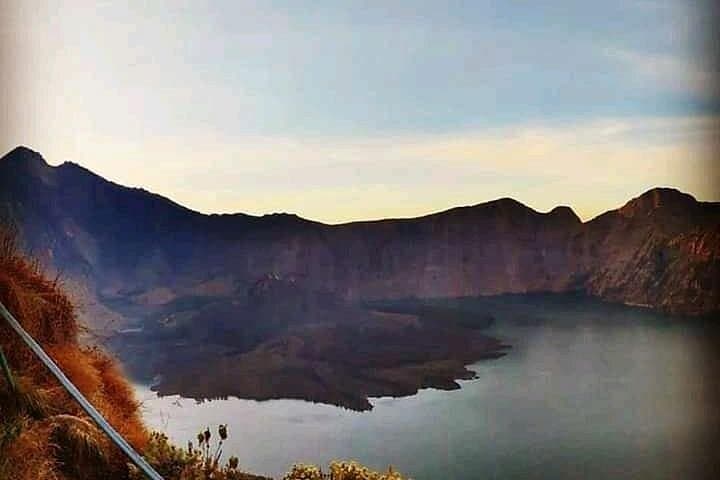
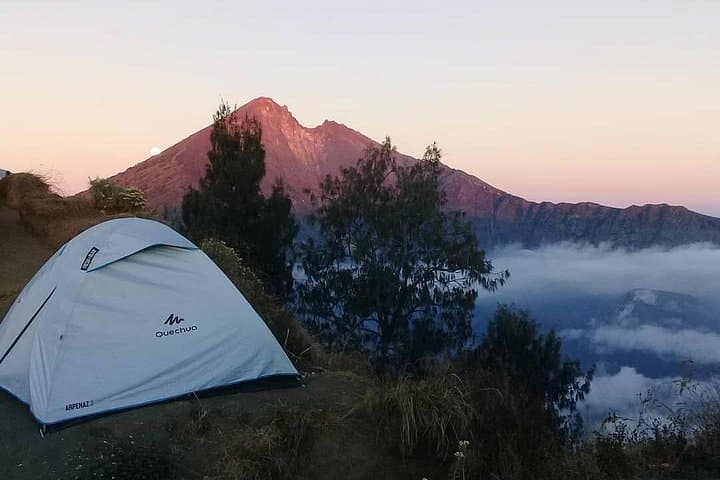
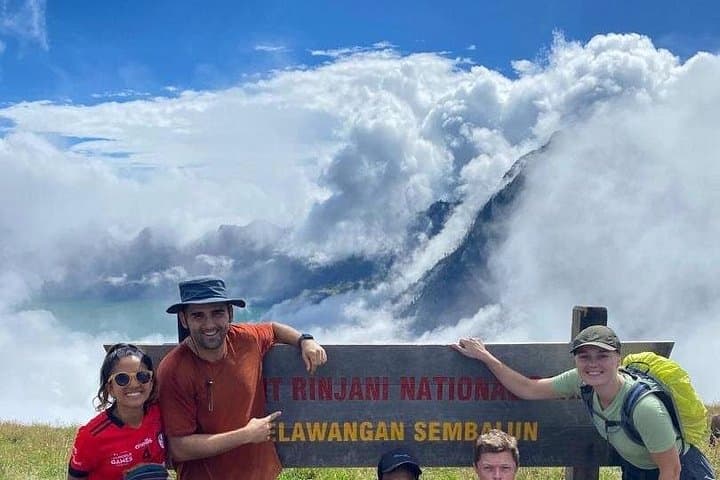
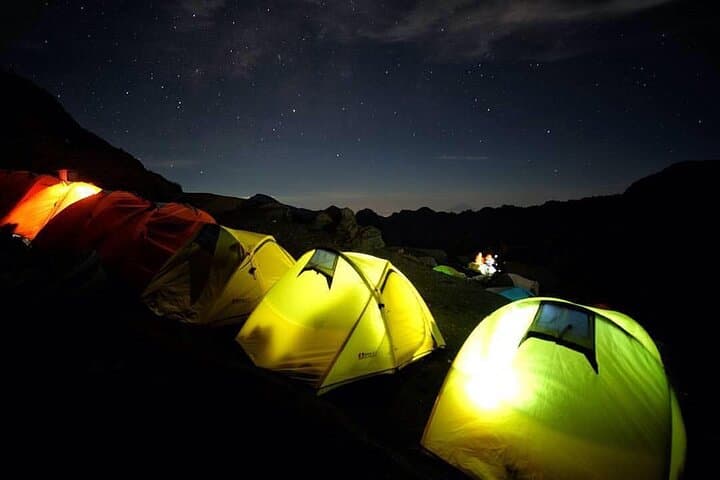
Dawn breaks over Senaru and the track rises like a promise—steep switchbacks through mossy forest, then thinner air and volcanic rock as the trail angles toward the crater rim. Trekkers set out from Senaru village before sunrise and, by midday, stand at an exposed lip where the caldera opens to the blue-green Segara Anak lake and the smoking inner cone. The wind on the rim has a forceful personality, pushing and testing your balance as you take in the panorama.
Dawn breaks over Senaru and the track rises like a promise—steep switchbacks through mossy forest, then thinner air and volcanic rock as the trail angles toward the crater rim. Trekkers set out from Senaru village before sunrise and, by midday, stand at an exposed lip where the caldera opens to the blue-green Segara Anak lake and the smoking inner cone. The wind on the rim has a forceful personality, pushing and testing your balance as you take in the panorama.
Rinjani is the second-highest volcano in Indonesia and a geological record of repeated eruptions; the crater lake formed after a massive collapse centuries ago. The area is culturally significant to the Sasak people and Balinese pilgrims who perform rituals at the lake’s sacred sites. Much of the northern approach passes through montane rainforest that gives way to volcanic scree and sparse alpine scrub near the rim.
Practically, this is a challenging day trek: expect 8–12 hours of hiking depending on pace, with steep ascents and loose rock underfoot. Guides from Senaru handle route-finding, meals, and local permits; headlamps are necessary for early starts. Hydration, layered clothing, and solid footwear make the difference between an arduous outing and an excellent day on the mountain.
Plan for variable weather—clear windows yield sweeping views across Lombok and Bali on good days. Respect sacred zones, follow your guide’s advice about timeframe and acclimatization, and leave no trace to help protect Rinjani’s fragile alpine slopes.