THE ADVENTURE COLLECTIVE® · Independent discovery and booking for outdoor travel

Short on time but hungry for Rinjani’s summit views? The one-day Senaru trek gains the crater rim in a long, steep push—night navigation, volcanic geology, and sweeping crater panoramas condensed into a single, demanding day.
Short on time but hungry for Rinjani’s summit views? The one-day Senaru trek gains the crater rim in a long, steep push—night navigation, volcanic geology, and sweeping crater panoramas condensed into a single, demanding day.
A headlamp-led line of walkers moves through cool mountain air as the village lights of Senaru blur behind them. The early hours feel larger than life: the trail narrows, volcanic scree grinds under boots, and the slope pulls you upward until the first pale light loosens the stars and the crater rim opens like a held breath.
Verified experiences and guided adventures in the surrounding area.
Operated by lombok trekking info · Senaru, West Nusa Tenggara
A headlamp-led line of walkers moves through cool mountain air as the village lights of Senaru blur behind them. The early hours feel larger than life: the trail narrows, volcanic scree grinds under boots, and the slope pulls you upward until the first pale light loosens the stars and the crater rim opens like a held breath.
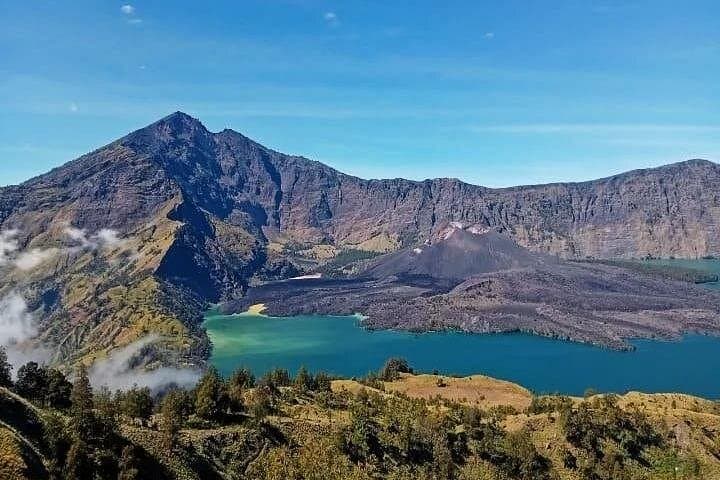
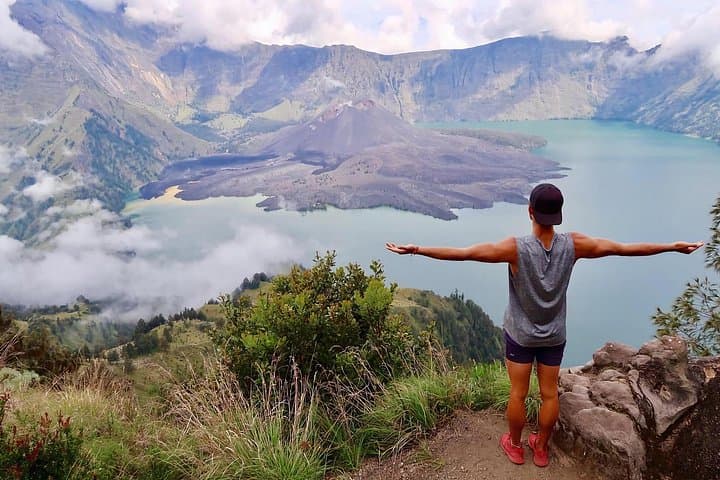
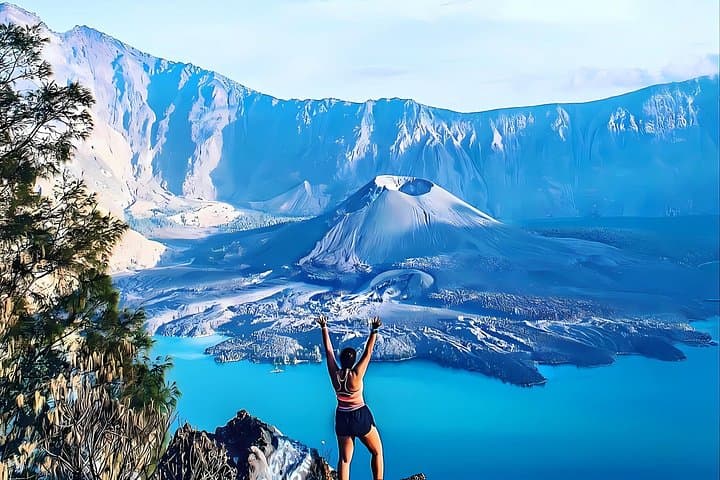
Mount Rinjani is Lombok’s active stratovolcano; its slopes descend into the crescent of Segara Anak lake and a younger cone within the caldera. Local Sasak communities have for generations regarded parts of Rinjani as sacred, and the terrain records repeated eruptions that shaped steep ridgelines and loose volcanic talus.
The one-day Senaru program compresses that story into a long daylight push — steep climbs, switchbacks, and at times loose volcanic sand that demands steady footing. You’ll pass mossy forest bands and open ridgelines that give panoramic views of the crater and, on clear days, the sea beyond.
Practically: start well hydrated, move at a conservative pace uphill, and expect significant elevation gain (to roughly 2,600–2,640 m depending on the rim point). Guides handle navigation and meals; bring layered clothing for sharp temperature swings, sturdy boots for mixed rock and scree, and a headlamp for pre-dawn legs.
Timing matters — dry season mornings give the best visibility; wet-season climbs become slippery and slow. Respect trail closures, minimize waste, and allow extra time for descent. For hikers with decent cardio and a taste for sustained uphill effort, Senaru’s day trek delivers volcanic drama and far-reaching views without an overnight stay.
You should have good cardio fitness and experience with long uphill hikes—expect several hours of continuous ascent and a sustained descent later.
No technical climbing gear is required; the route is a strenuous hike rather than a technical climb, and guides handle route-finding.
The wet season (roughly Nov–Mar) brings slippery trails and limited visibility; many operators suspend one-day climbs during heavy rain—check local conditions and cancellations.
Guides and necessary local fees are typically provided in the tour; confirm permit coverage and guide credentials when booking.
lombok trekking info operates guided outdoor trips and adventures with an emphasis on safety, stewardship, and memorable experiences.
A headlamp-led line of walkers moves through cool mountain air as the village lights of Senaru blur behind them. The early hours feel larger than life: the trail narrows, volcanic scree grinds under boots, and the slope pulls you upward until the first pale light loosens the stars and the crater rim opens like a held breath.
A headlamp-led line of walkers moves through cool mountain air as the village lights of Senaru blur behind them. The early hours feel larger than life: the trail narrows, volcanic scree grinds under boots, and the slope pulls you upward until the first pale light loosens the stars and the crater rim opens like a held breath.
Mount Rinjani is Lombok’s active stratovolcano; its slopes descend into the crescent of Segara Anak lake and a younger cone within the caldera. Local Sasak communities have for generations regarded parts of Rinjani as sacred, and the terrain records repeated eruptions that shaped steep ridgelines and loose volcanic talus.
The one-day Senaru program compresses that story into a long daylight push — steep climbs, switchbacks, and at times loose volcanic sand that demands steady footing. You’ll pass mossy forest bands and open ridgelines that give panoramic views of the crater and, on clear days, the sea beyond.
Practically: start well hydrated, move at a conservative pace uphill, and expect significant elevation gain (to roughly 2,600–2,640 m depending on the rim point). Guides handle navigation and meals; bring layered clothing for sharp temperature swings, sturdy boots for mixed rock and scree, and a headlamp for pre-dawn legs.
Timing matters — dry season mornings give the best visibility; wet-season climbs become slippery and slow. Respect trail closures, minimize waste, and allow extra time for descent. For hikers with decent cardio and a taste for sustained uphill effort, Senaru’s day trek delivers volcanic drama and far-reaching views without an overnight stay.