THE ADVENTURE COLLECTIVE® · Independent discovery and booking for outdoor travel

A steep day hike from Dushanbe into the Varzob Gorge rewards steady climbers with a 30m waterfall and an icy plunge pool. Expect 2–3 hours of ascent over roughly 8 km and a full 6–8 hour outing including transfers.
A steep day hike from Dushanbe into the Varzob Gorge rewards steady climbers with a 30m waterfall and an icy plunge pool. Expect 2–3 hours of ascent over roughly 8 km and a full 6–8 hour outing including transfers.
You step out of the van where the Varzob River narrows and the gorge tightens, the air cooling as water and stone take over the soundscape. A braided trail climbs toward a vertical cleft in the Hissar Range; when the falls appear, water plunges roughly 30 meters into a round, stone-walled pool that spits spray like glass.
Verified experiences and guided adventures in the surrounding area.
Operated by Bunyod-Tour · Gusgarf, Varzob District
You step out of the van where the Varzob River narrows and the gorge tightens, the air cooling as water and stone take over the soundscape. A braided trail climbs toward a vertical cleft in the Hissar Range; when the falls appear, water plunges roughly 30 meters into a round, stone-walled pool that spits spray like glass.
Geology here is blunt and recent: the Hissar Range is a product of active uplift and river incision, and the Varzob has carved that sheer rock face over centuries. Gusgarf village at the trailhead is a working mountain hamlet—sheep, terrace fields, and summer pastures define local life—and the waterfall has long been a seasonal waypoint for shepherds and day-trippers from Dushanbe.
Expect a physically demanding ascent: the marked trail covers about 8 km of climbing to the falls (plan 2–3 hours uphill), with steep sections, loose rock, and stream crossings. The full outing including return, lunch, and transfers is a 6–8 hour day. Swim with caution—the plunge pool is fed by icy meltwater and strong jets that can knock you off your feet. The site is busiest from April through September when the trail and waterfall are accessible; spring brings high flows and flowering meadows, summer offers warmer air but still cold water, and late season reduces the flow.
Practical tips: start early to avoid midday heat, bring trekking poles and at least 2 liters of water, wear sturdy boots with ankle support, and pack a breathable waterproof layer for mist and sudden mountain weather. Respect local customs in Gusgarf village, leave no trace, and be prepared for limited cellphone coverage on the trail.
The ascent to the falls covers roughly 8 km and takes about 2–3 hours uphill; the full tour including return and transfers is typically 6–8 hours.
Yes, but the pool is fed by icy meltwater and strong jets—enter with caution and avoid the main jet which can knock you off your feet.
The trail is steep and uneven; people in average fitness can complete it, but those with limited hiking experience should proceed slowly and consider poles.
April through September is the standard season—spring brings high flows and flowering meadows, summer is warmer but still cold in the water, and early fall reduces visitor numbers and flow.
Bunyod-Tour operates guided outdoor trips and adventures with an emphasis on safety, stewardship, and memorable experiences.
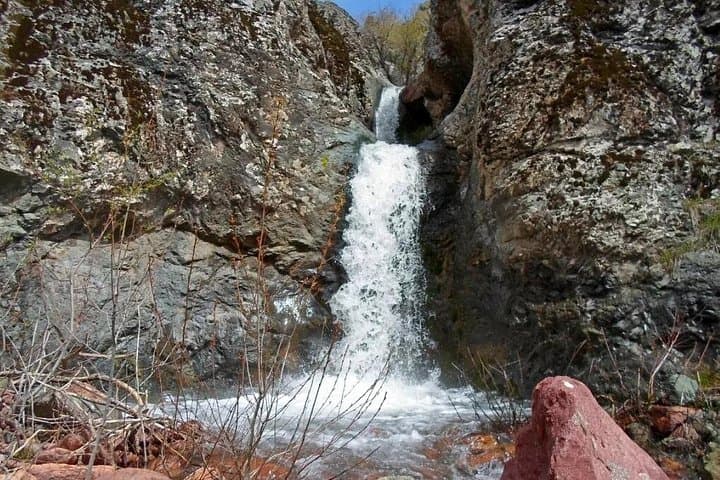
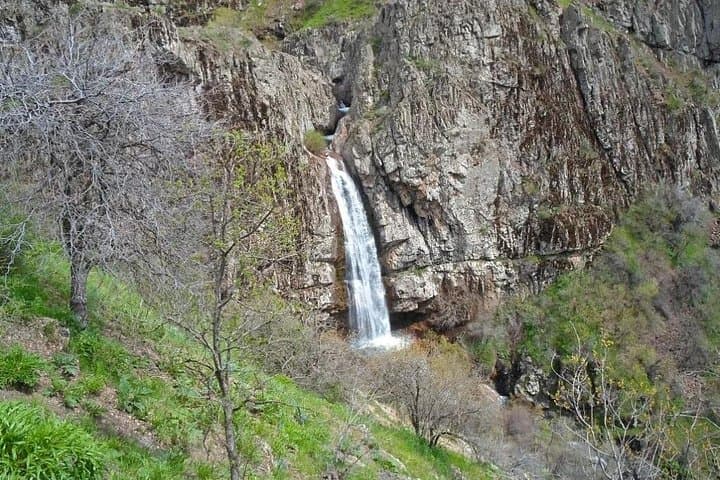
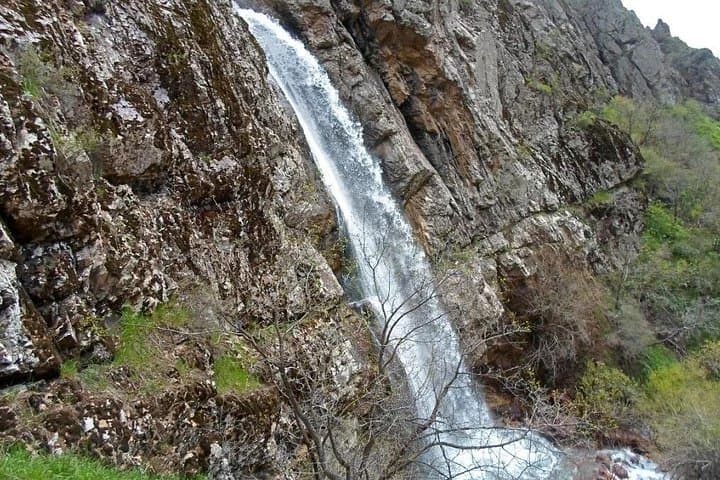
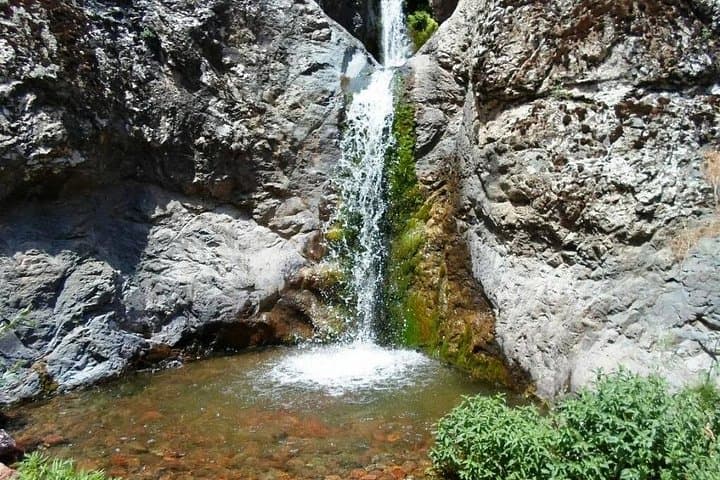
You step out of the van where the Varzob River narrows and the gorge tightens, the air cooling as water and stone take over the soundscape. A braided trail climbs toward a vertical cleft in the Hissar Range; when the falls appear, water plunges roughly 30 meters into a round, stone-walled pool that spits spray like glass.
You step out of the van where the Varzob River narrows and the gorge tightens, the air cooling as water and stone take over the soundscape. A braided trail climbs toward a vertical cleft in the Hissar Range; when the falls appear, water plunges roughly 30 meters into a round, stone-walled pool that spits spray like glass.
Geology here is blunt and recent: the Hissar Range is a product of active uplift and river incision, and the Varzob has carved that sheer rock face over centuries. Gusgarf village at the trailhead is a working mountain hamlet—sheep, terrace fields, and summer pastures define local life—and the waterfall has long been a seasonal waypoint for shepherds and day-trippers from Dushanbe.
Expect a physically demanding ascent: the marked trail covers about 8 km of climbing to the falls (plan 2–3 hours uphill), with steep sections, loose rock, and stream crossings. The full outing including return, lunch, and transfers is a 6–8 hour day. Swim with caution—the plunge pool is fed by icy meltwater and strong jets that can knock you off your feet. The site is busiest from April through September when the trail and waterfall are accessible; spring brings high flows and flowering meadows, summer offers warmer air but still cold water, and late season reduces the flow.
Practical tips: start early to avoid midday heat, bring trekking poles and at least 2 liters of water, wear sturdy boots with ankle support, and pack a breathable waterproof layer for mist and sudden mountain weather. Respect local customs in Gusgarf village, leave no trace, and be prepared for limited cellphone coverage on the trail.