THE ADVENTURE COLLECTIVE® · Independent discovery and booking for outdoor travel

Train to scuba in the clear, protected waters of Capo Carbonara. This Open Water Diver course mixes classroom theory, confined-water skill practice and open-sea dives to certify you to 18 m with PADI/PSS instructors.
Train to scuba in the clear, protected waters of Capo Carbonara. This Open Water Diver course mixes classroom theory, confined-water skill practice and open-sea dives to certify you to 18 m with PADI/PSS instructors.
Salt-sweet air and a crescent of Mediterranean blue set the scene as students gather on the pebbled shore near Capo Carbonara, masks tucked under arms and instructors checking cylinders.
Verified experiences and guided adventures in the surrounding area.
Operated by SubAquaDive Service · Villasimius, Sardinia
Salt-sweet air and a crescent of Mediterranean blue set the scene as students gather on the pebbled shore near Capo Carbonara, masks tucked under arms and instructors checking cylinders.
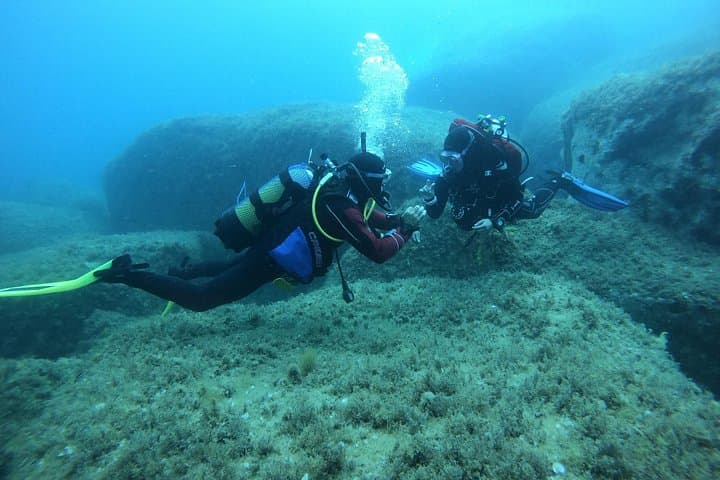
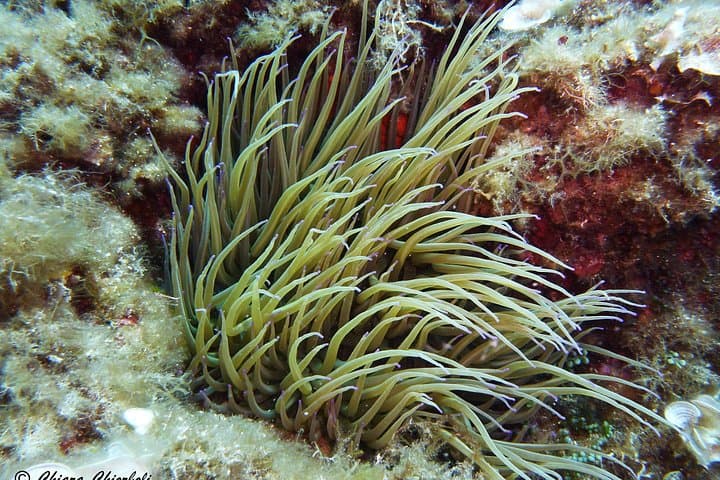
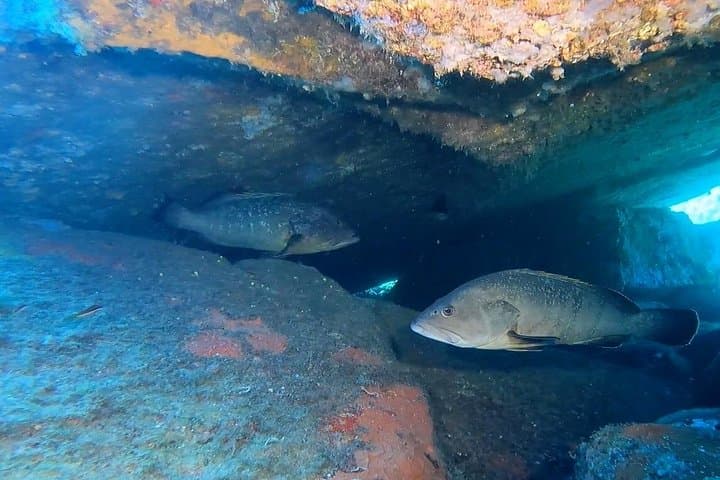
The Open Water Diver course here trains newcomers to dive independently to 18 meters, blending classroom theory, confined-water skills and multiple open-water dives in the marine protected waters off southeastern Sardinia. Geologically the coast is limestone and granite, creating clear shelves, rock arches and underwater walls where Posidonia meadows spread like submerged prairies. Culturally, Villasimius and nearby fishing villages have long lived by the sea; local dive schools pair modern PADI/PSS standards with regional knowledge of currents, seasonal visibility and sea life behavior.
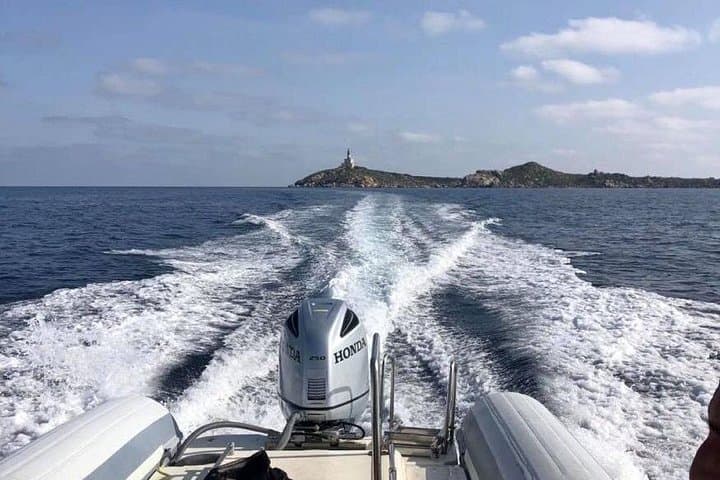
Expect calm, protected bays for initial skill drills and progressively deeper shore or short-boat dives for certification dives. Instructors bring full SCUBA kits and handle air fills; e-learning or on-site classroom options are typical, so plan to complete theory before sea sessions if you prefer condensed days.
Practical guidance: arrive with basic swim fitness, a recent medical approval if you have health concerns, and comfortable swimwear under a short or full wetsuit (schools supply suits if needed). Hydrate and avoid alcohol; plan 24 hours after your last dive before flying. Timing matters — morning launches often get the best visibility and lighter winds. On completion you’ll leave with a globally recognized certification and the skills to explore Sardinia’s reefs and deeper blue beyond.
Minimum age is typically 10–12 for junior certifications; check the operator for exact age limits and youth program differences.
No prior SCUBA experience is required; candidates must be comfortable in water and complete theory plus confined and open-water dives.
Yes—schools supply regulator, BCD, tank, weights and exposure suits; you may bring your own mask and snorkel for better fit.
After completing all theory, confined-water skills and the required open-water certification dives, you can dive with a buddy to 18 m under standard Open Water rules.
SubAquaDive Service operates guided outdoor trips and adventures with an emphasis on safety, stewardship, and memorable experiences.
Salt-sweet air and a crescent of Mediterranean blue set the scene as students gather on the pebbled shore near Capo Carbonara, masks tucked under arms and instructors checking cylinders.
Salt-sweet air and a crescent of Mediterranean blue set the scene as students gather on the pebbled shore near Capo Carbonara, masks tucked under arms and instructors checking cylinders.
The Open Water Diver course here trains newcomers to dive independently to 18 meters, blending classroom theory, confined-water skills and multiple open-water dives in the marine protected waters off southeastern Sardinia. Geologically the coast is limestone and granite, creating clear shelves, rock arches and underwater walls where Posidonia meadows spread like submerged prairies. Culturally, Villasimius and nearby fishing villages have long lived by the sea; local dive schools pair modern PADI/PSS standards with regional knowledge of currents, seasonal visibility and sea life behavior.
Expect calm, protected bays for initial skill drills and progressively deeper shore or short-boat dives for certification dives. Instructors bring full SCUBA kits and handle air fills; e-learning or on-site classroom options are typical, so plan to complete theory before sea sessions if you prefer condensed days.
Practical guidance: arrive with basic swim fitness, a recent medical approval if you have health concerns, and comfortable swimwear under a short or full wetsuit (schools supply suits if needed). Hydrate and avoid alcohol; plan 24 hours after your last dive before flying. Timing matters — morning launches often get the best visibility and lighter winds. On completion you’ll leave with a globally recognized certification and the skills to explore Sardinia’s reefs and deeper blue beyond.