THE ADVENTURE COLLECTIVE® · Independent discovery and booking for outdoor travel

Train for your first certified scuba dives off Krk Island. This full-day Open Water Diver course blends confined-water instruction with open-water practice in the clear Adriatic — equipment included and certification awarded on completion.
Train for your first certified scuba dives off Krk Island. This full-day Open Water Diver course blends confined-water instruction with open-water practice in the clear Adriatic — equipment included and certification awarded on completion.
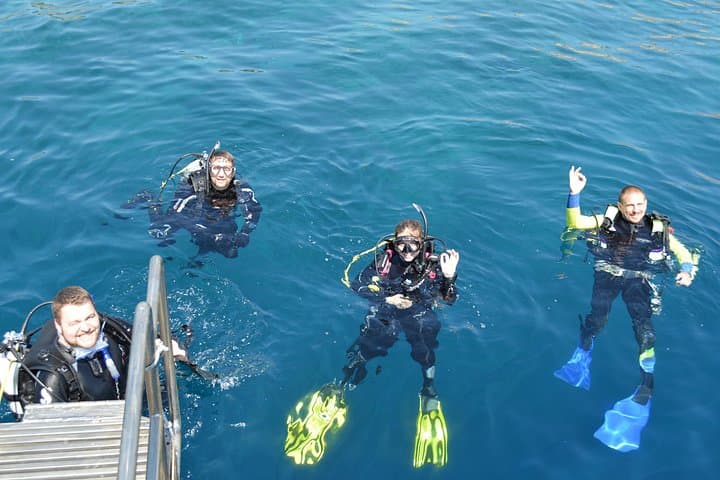
On a wind-brushed morning on Krk's quay, instructors kit up and the Adriatic glints like hammered metal. You slip into a wetsuit, feel the weight of the tank settle, and watch the shoreline recede as the boat eases toward limestone outcrops and kelp-strewn shallows. The sea here is honest — clear, cool, and occasionally playful, testing new divers' attention to buoyancy.
Verified experiences and guided adventures in the surrounding area.
Operated by I.R.T.D.A. d.o.o. · Krk, Primorje-Gorski Kotar
On a wind-brushed morning on Krk's quay, instructors kit up and the Adriatic glints like hammered metal. You slip into a wetsuit, feel the weight of the tank settle, and watch the shoreline recede as the boat eases toward limestone outcrops and kelp-strewn shallows. The sea here is honest — clear, cool, and occasionally playful, testing new divers' attention to buoyancy.
Krk's coastline is carved from karst limestone shaped by millennia of tectonic uplift and wave action; Roman and Venetian influence still mark village centers with stone streets and small chapels. Local dive sites hug underwater cliffs, boulder fields, and seagrass meadows where octopus and bream find shelter. The island's maritime culture is practical and deeply rooted — many instructors grew up fishing these coves.
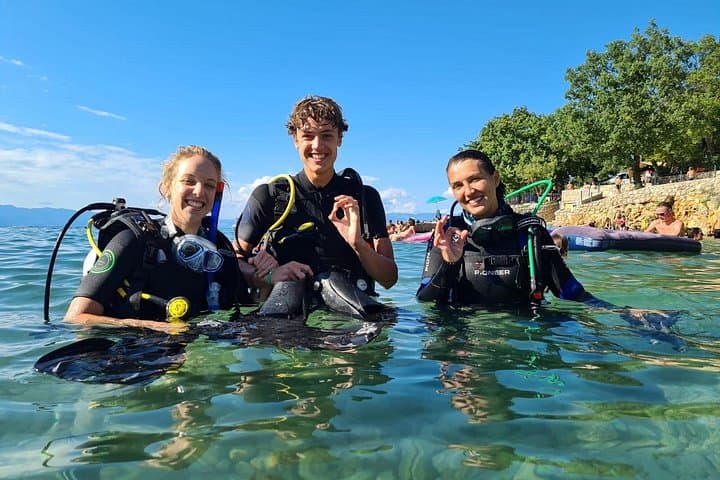
This Open Water Diver course (roughly an 8-hour day) combines confined-water skills and two open-water dives that usually reach depths allowed by entry-level certification — typically up to 18 meters. Equipment use is included; expect lessons on regulator clearing, mask skills, buoyancy control, and simple dive planning. Visibility in summer often exceeds 10–20 meters; spring and autumn bring cooler water and quieter boats.
Practical tips: arrive rested with a light breakfast, bring swimwear and sun protection, and be upfront about medical conditions. Hydrate but avoid heavy meals pre-dive. The certification opens doors to guided and unguided dives worldwide once completed, but continue building hours and practice under a guide in unfamiliar seas. This is training that hands you the skillset — the Adriatic supplies the classroom.
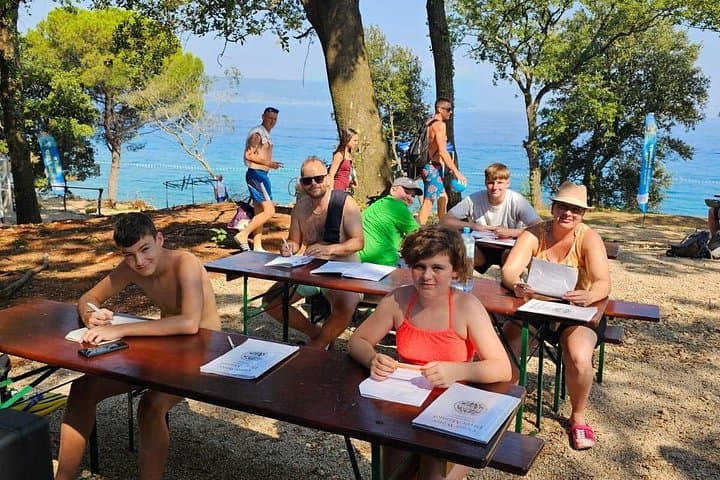
This provider runs an approximately 8‑hour program combining knowledge review, confined-water skills, and two open-water dives—often delivered in a single full day.
No prior scuba experience is required, but basic swimming ability and comfort in the water are expected; instructors will teach core skills from the ground up.
Typical entry-level certification permits dives to about 18 meters (60 feet); check your certifying agency's specifics and local rules.
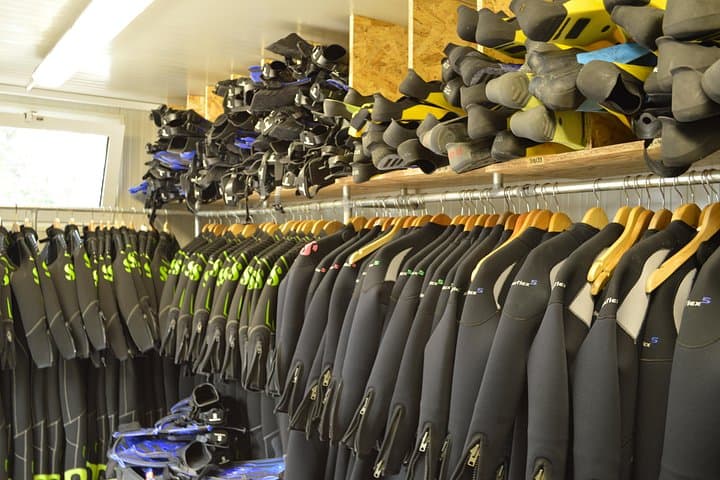
Yes — SCUBA equipment use is included, but bring personal items like a mask if you prefer your own fit; the instructor will advise on suit thickness by season.
I.R.T.D.A. d.o.o. operates guided outdoor trips and adventures with an emphasis on safety, stewardship, and memorable experiences.
On a wind-brushed morning on Krk's quay, instructors kit up and the Adriatic glints like hammered metal. You slip into a wetsuit, feel the weight of the tank settle, and watch the shoreline recede as the boat eases toward limestone outcrops and kelp-strewn shallows. The sea here is honest — clear, cool, and occasionally playful, testing new divers' attention to buoyancy.
On a wind-brushed morning on Krk's quay, instructors kit up and the Adriatic glints like hammered metal. You slip into a wetsuit, feel the weight of the tank settle, and watch the shoreline recede as the boat eases toward limestone outcrops and kelp-strewn shallows. The sea here is honest — clear, cool, and occasionally playful, testing new divers' attention to buoyancy.
Krk's coastline is carved from karst limestone shaped by millennia of tectonic uplift and wave action; Roman and Venetian influence still mark village centers with stone streets and small chapels. Local dive sites hug underwater cliffs, boulder fields, and seagrass meadows where octopus and bream find shelter. The island's maritime culture is practical and deeply rooted — many instructors grew up fishing these coves.
This Open Water Diver course (roughly an 8-hour day) combines confined-water skills and two open-water dives that usually reach depths allowed by entry-level certification — typically up to 18 meters. Equipment use is included; expect lessons on regulator clearing, mask skills, buoyancy control, and simple dive planning. Visibility in summer often exceeds 10–20 meters; spring and autumn bring cooler water and quieter boats.
Practical tips: arrive rested with a light breakfast, bring swimwear and sun protection, and be upfront about medical conditions. Hydrate but avoid heavy meals pre-dive. The certification opens doors to guided and unguided dives worldwide once completed, but continue building hours and practice under a guide in unfamiliar seas. This is training that hands you the skillset — the Adriatic supplies the classroom.