THE ADVENTURE COLLECTIVE® · Independent discovery and booking for outdoor travel

Turn pool training into real-world speed on Seven Mile Beach. Private, coach-led open-water lessons sharpen sighting, starts, and race pacing in clear Caribbean water.
Turn pool training into real-world speed on Seven Mile Beach. Private, coach-led open-water lessons sharpen sighting, starts, and race pacing in clear Caribbean water.
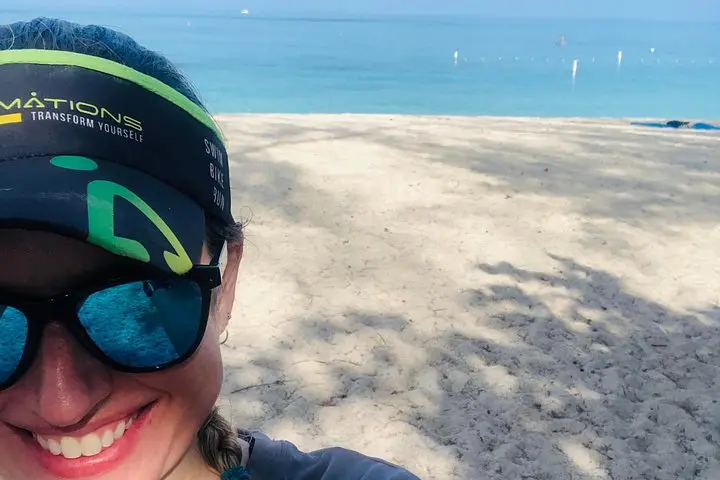
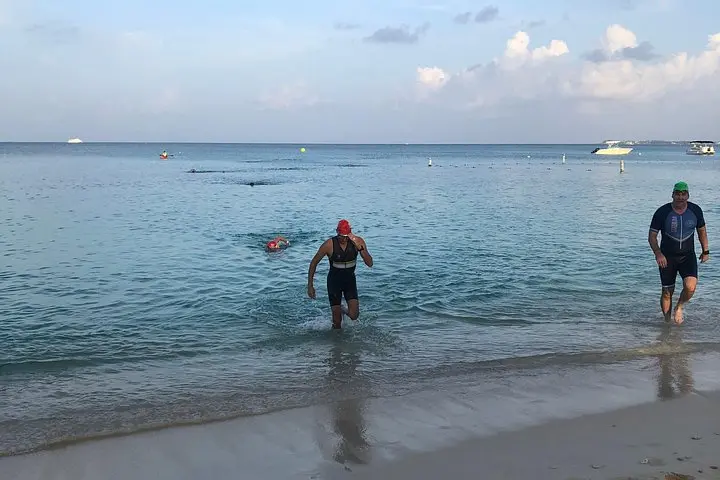
The water parts to greet you before the sand: a warm, clear blue that lets you watch your hands cut through it. A coach times your sighting, calls cadence, and the current nudges you toward a reef line that hums with life. This is Seven Mile Beach, where private swim lessons and triathlon-focused sessions move practice out of the pool and into open water.
Verified experiences and guided adventures in the surrounding area.
Operated by Triformations · George Town, Grand Cayman
The water parts to greet you before the sand: a warm, clear blue that lets you watch your hands cut through it. A coach times your sighting, calls cadence, and the current nudges you toward a reef line that hums with life. This is Seven Mile Beach, where private swim lessons and triathlon-focused sessions move practice out of the pool and into open water.
Seven Mile Beach earned its reputation as one of the Caribbean’s longest, most accessible shores — the name slightly generous, the shoreline shaped by reef and sand over millennia. Grand Cayman’s coast sits on limestone bedrock, its nearshore reefs sheltering calm lagoons and the broken contours that make sighting and drafting essential skills for open-water racers. Local culture revolves around the sea: fishermen, dive operators, and beachfront vendors all read tides and winds as part of daily life.
Practical guidance: lessons are typically one hour, private or small-group, and tailored to your ability — from basic buoyancy and sighting to race-pace intervals and open-water starts. Expect waist- to shoulder-deep entries, occasional chop, and clear visibility most mornings. Instructors supply kickboards, pull buoys, fins, and silicone caps; bring a well-fitting mask/goggles and swimwear.
Plan morning sessions for calm seas and fewer swimmers; hydrate and apply reef-safe sunscreen; leave jewelry ashore. If training for a triathlon, work on bilateral breathing, sighting every 6–10 strokes, and drafting practice with your coach. Open water here will test your rhythm, and reward you with warm water and a reef-scored horizon to measure progress against.
No — lessons are tailored to ability; beginners will work on comfort, entries, and breathing, while advanced swimmers focus on pace and race skills.
Sessions typically accept adults and teenagers; check with the operator for minimum age and parental requirements.
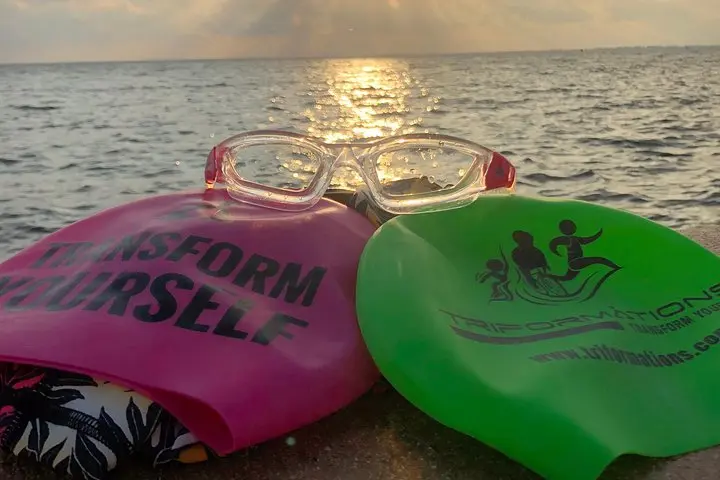
Coaches usually provide kickboards, pull buoys, fins, and a silicone swim cap; bring your preferred goggles and towel.
Full refunds are often available if the operator cancels due to unsafe conditions; check the booking terms for exact timing and policies.
Triformations operates guided outdoor trips and adventures with an emphasis on safety, stewardship, and memorable experiences.
The water parts to greet you before the sand: a warm, clear blue that lets you watch your hands cut through it. A coach times your sighting, calls cadence, and the current nudges you toward a reef line that hums with life. This is Seven Mile Beach, where private swim lessons and triathlon-focused sessions move practice out of the pool and into open water.
The water parts to greet you before the sand: a warm, clear blue that lets you watch your hands cut through it. A coach times your sighting, calls cadence, and the current nudges you toward a reef line that hums with life. This is Seven Mile Beach, where private swim lessons and triathlon-focused sessions move practice out of the pool and into open water.
Seven Mile Beach earned its reputation as one of the Caribbean’s longest, most accessible shores — the name slightly generous, the shoreline shaped by reef and sand over millennia. Grand Cayman’s coast sits on limestone bedrock, its nearshore reefs sheltering calm lagoons and the broken contours that make sighting and drafting essential skills for open-water racers. Local culture revolves around the sea: fishermen, dive operators, and beachfront vendors all read tides and winds as part of daily life.
Practical guidance: lessons are typically one hour, private or small-group, and tailored to your ability — from basic buoyancy and sighting to race-pace intervals and open-water starts. Expect waist- to shoulder-deep entries, occasional chop, and clear visibility most mornings. Instructors supply kickboards, pull buoys, fins, and silicone caps; bring a well-fitting mask/goggles and swimwear.
Plan morning sessions for calm seas and fewer swimmers; hydrate and apply reef-safe sunscreen; leave jewelry ashore. If training for a triathlon, work on bilateral breathing, sighting every 6–10 strokes, and drafting practice with your coach. Open water here will test your rhythm, and reward you with warm water and a reef-scored horizon to measure progress against.