THE ADVENTURE COLLECTIVE® · Independent discovery and booking for outdoor travel

Step off a short ferry into a compact geothermal theatre of geysers, silica terraces and a rare thermal cave. This self-guided 2.5 km walk between Rotorua and Taupo offers close-up, ever-changing geothermal features—ideal for an hour or two of focused exploration.
Step off a short ferry into a compact geothermal theatre of geysers, silica terraces and a rare thermal cave. This self-guided 2.5 km walk between Rotorua and Taupo offers close-up, ever-changing geothermal features—ideal for an hour or two of focused exploration.
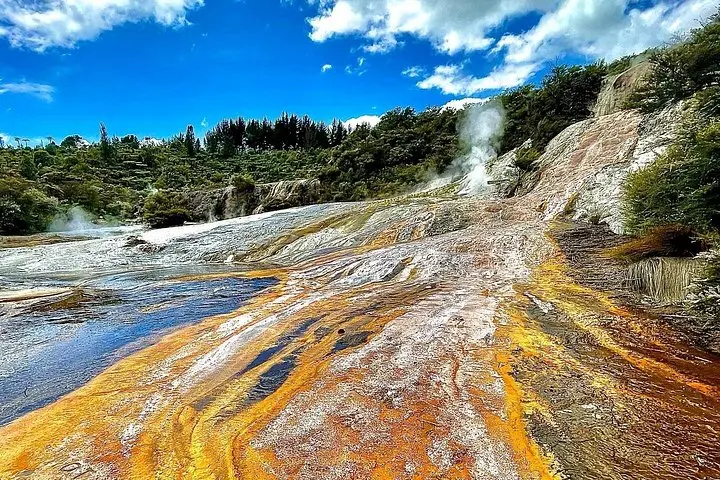
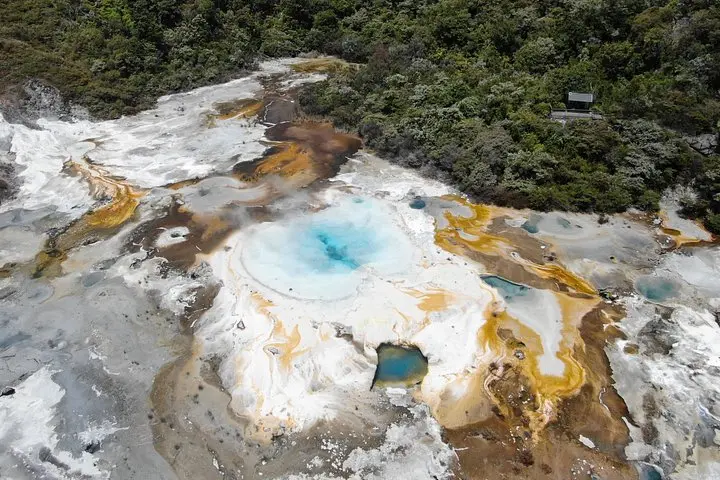
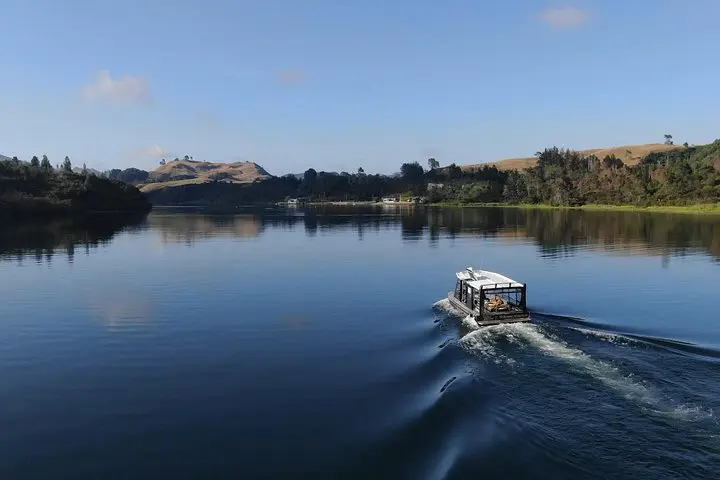
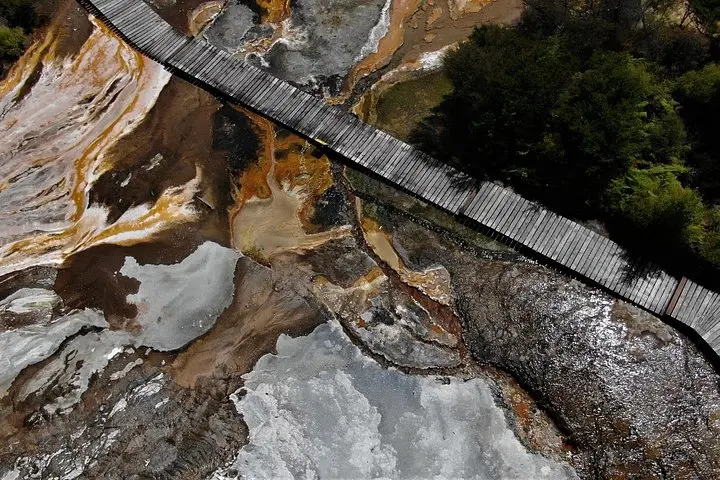
Steam lifts from the river like a slow breath as you step off the short ferry and onto the boardwalk that threads Orakei Korako. The walk is compact—about 2.5 km of paths that curve past bubbling mud pools, hissing fumaroles and bright silica shelves—yet every bend reveals something new: a cone geyser ticking toward its next blast, a pool the colour of green glass, native bush framing the thermal theatre.
Verified experiences and guided adventures in the surrounding area.
Operated by Orakei Korako Cave Thermal Park · Orakei Korako, Waikato
Steam lifts from the river like a slow breath as you step off the short ferry and onto the boardwalk that threads Orakei Korako. The walk is compact—about 2.5 km of paths that curve past bubbling mud pools, hissing fumaroles and bright silica shelves—yet every bend reveals something new: a cone geyser ticking toward its next blast, a pool the colour of green glass, native bush framing the thermal theatre.
Geology here is active and visible; boiling springs and up to two dozen small geysers reflect the continental heat engine under the Waikato River floodplain. Māori have long known and named these features, and the area retains cultural significance alongside the scientific interest. Unlike some commercial parks, Orakei Korako still feels raw—terraces and a rare thermal cave underline how unique this site is in New Zealand’s geothermal landscape.
Expect uneven, sometimes wet boardwalks and close-up views that change seasonally—steam hangs lower on cool mornings, colours flare on clear days. The visit is self-guided and typically takes 1–1.5 hours; a short return ferry runs on demand to the mainland. Practicalities matter: stay on marked paths to protect fragile silica formations, keep children close around hot features, and plan ferry timings into your schedule.
Bring sturdy, water-resistant footwear, layer for wind and mist, and leave no trace. With minimal infrastructure and vivid, ever-changing geothermal activity, Orakei Korako rewards attention more than speed—slow down and let the landscape lead the way.
The boardwalk loop is about 2.5 km and typically takes 1–1.5 hours depending on stops for photography and interpretation.
Return ferry rides are included; the ferry operates on demand so allow a few extra minutes when planning arrival and departure.
Yes—children are welcome but must be supervised at all times due to hot and fragile geothermal features.
Photography is encouraged from boardwalks; drone use is restricted in many protected areas—check current local rules before flying.
Orakei Korako Cave Thermal Park operates guided outdoor trips and adventures with an emphasis on safety, stewardship, and memorable experiences.
Steam lifts from the river like a slow breath as you step off the short ferry and onto the boardwalk that threads Orakei Korako. The walk is compact—about 2.5 km of paths that curve past bubbling mud pools, hissing fumaroles and bright silica shelves—yet every bend reveals something new: a cone geyser ticking toward its next blast, a pool the colour of green glass, native bush framing the thermal theatre.
Steam lifts from the river like a slow breath as you step off the short ferry and onto the boardwalk that threads Orakei Korako. The walk is compact—about 2.5 km of paths that curve past bubbling mud pools, hissing fumaroles and bright silica shelves—yet every bend reveals something new: a cone geyser ticking toward its next blast, a pool the colour of green glass, native bush framing the thermal theatre.
Geology here is active and visible; boiling springs and up to two dozen small geysers reflect the continental heat engine under the Waikato River floodplain. Māori have long known and named these features, and the area retains cultural significance alongside the scientific interest. Unlike some commercial parks, Orakei Korako still feels raw—terraces and a rare thermal cave underline how unique this site is in New Zealand’s geothermal landscape.
Expect uneven, sometimes wet boardwalks and close-up views that change seasonally—steam hangs lower on cool mornings, colours flare on clear days. The visit is self-guided and typically takes 1–1.5 hours; a short return ferry runs on demand to the mainland. Practicalities matter: stay on marked paths to protect fragile silica formations, keep children close around hot features, and plan ferry timings into your schedule.
Bring sturdy, water-resistant footwear, layer for wind and mist, and leave no trace. With minimal infrastructure and vivid, ever-changing geothermal activity, Orakei Korako rewards attention more than speed—slow down and let the landscape lead the way.