THE ADVENTURE COLLECTIVE® · Independent discovery and booking for outdoor travel

A focused three-day circuit from Oran to Tlemcen that pairs coastal fortresses with inland caves, waterfalls and Zianid palaces. Ideal for travelers seeking history, geology and regional food on a private, paced itinerary.
A focused three-day circuit from Oran to Tlemcen that pairs coastal fortresses with inland caves, waterfalls and Zianid palaces. Ideal for travelers seeking history, geology and regional food on a private, paced itinerary.
Morning light pours over Oran’s harbor and you feel the city wake: gulls wheel above the port, and the stone of Santa Cruz glows on the ridge. The first day lets you move through Oran’s layered past — Ottoman domes, Spanish bastions, French-era boulevards — with a local guide translating architecture into history rather than just names on a map.
Verified experiences and guided adventures in the surrounding area.
Operated by Algeria resfeber · Oran, Oran Province
Morning light pours over Oran’s harbor and you feel the city wake: gulls wheel above the port, and the stone of Santa Cruz glows on the ridge. The first day lets you move through Oran’s layered past — Ottoman domes, Spanish bastions, French-era boulevards — with a local guide translating architecture into history rather than just names on a map.
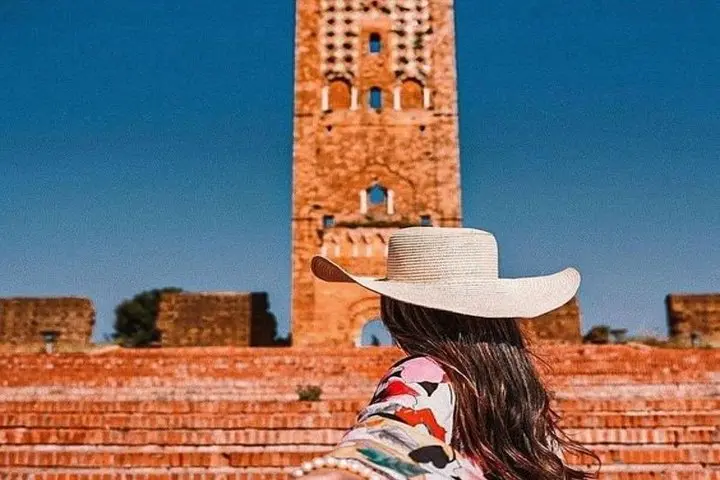
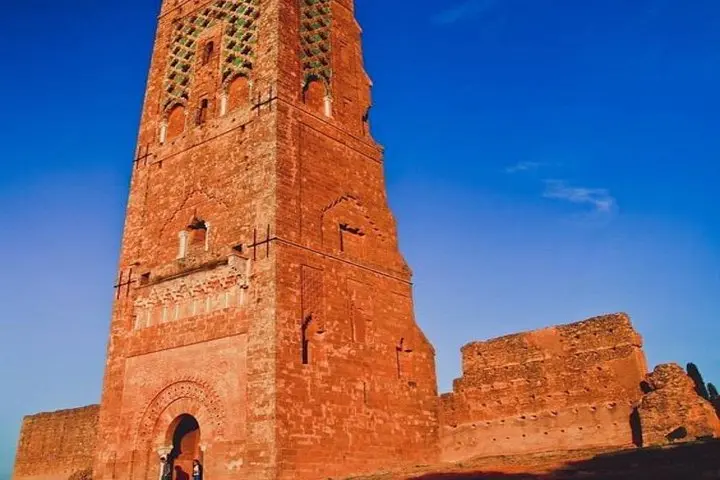
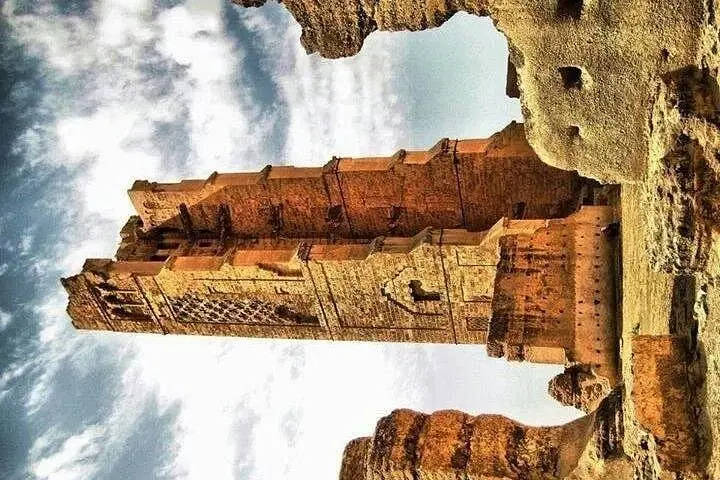
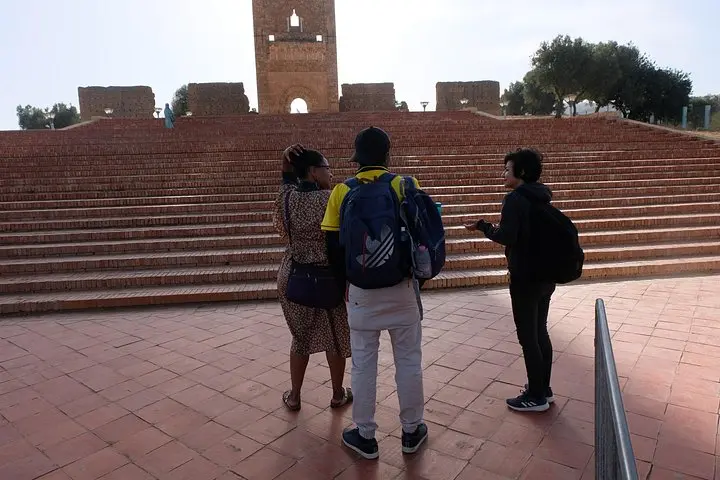
By day two the route climbs toward alabaster caverns and mountain pines. The Beni Add caves—700 m of passages and a vertical reach near 57 m—show the region’s karst geology: limestone drips forming stalactites and stalagmites that read like slow-built sculpture. Tlemcen arrives as a different chapter: Zianid palaces, the ruins of Mansourah, Andalusian gardens and the tumbling cascades of Oued El-Ourit give voice to centuries of Maghrebi, Andalusian, and Spanish influence.
Practical guidance is straightforward. The drive between Oran and Tlemcen is roughly 160 km and takes 2–3 hours depending on route and stops; plan for early starts to avoid midday heat. Modest clothing is required at religious sites, and comfortable walking shoes matter — cobbles, short staircases and uneven cave surfaces are common. Bring cash for small museums and souk purchases; larger sites accept cards inconsistently.
Expect light-to-moderate walking, frequent photo stops, and meals that emphasize seafood on the coast and tagines inland. Respect local customs at mosques and hammams, carry a refillable water bottle, and leave extra time for unplanned detours — those are where the best local stories live.
The road distance is roughly 150–170 km and typically takes 2–3 hours depending on route and traffic.
Beni Add caves involve walking on uneven paths and some low-clearance sections; they are accessible to most travelers but require steady footing.
Both men and women should wear modest clothing; women should bring a scarf to cover hair and shoulders when required.
Lunches are included on the itinerary; notify the operator in advance of allergies or dietary restrictions so local kitchens can prepare alternatives.
Algeria resfeber operates guided outdoor trips and adventures with an emphasis on safety, stewardship, and memorable experiences.
Morning light pours over Oran’s harbor and you feel the city wake: gulls wheel above the port, and the stone of Santa Cruz glows on the ridge. The first day lets you move through Oran’s layered past — Ottoman domes, Spanish bastions, French-era boulevards — with a local guide translating architecture into history rather than just names on a map.
Morning light pours over Oran’s harbor and you feel the city wake: gulls wheel above the port, and the stone of Santa Cruz glows on the ridge. The first day lets you move through Oran’s layered past — Ottoman domes, Spanish bastions, French-era boulevards — with a local guide translating architecture into history rather than just names on a map.
By day two the route climbs toward alabaster caverns and mountain pines. The Beni Add caves—700 m of passages and a vertical reach near 57 m—show the region’s karst geology: limestone drips forming stalactites and stalagmites that read like slow-built sculpture. Tlemcen arrives as a different chapter: Zianid palaces, the ruins of Mansourah, Andalusian gardens and the tumbling cascades of Oued El-Ourit give voice to centuries of Maghrebi, Andalusian, and Spanish influence.
Practical guidance is straightforward. The drive between Oran and Tlemcen is roughly 160 km and takes 2–3 hours depending on route and stops; plan for early starts to avoid midday heat. Modest clothing is required at religious sites, and comfortable walking shoes matter — cobbles, short staircases and uneven cave surfaces are common. Bring cash for small museums and souk purchases; larger sites accept cards inconsistently.
Expect light-to-moderate walking, frequent photo stops, and meals that emphasize seafood on the coast and tagines inland. Respect local customs at mosques and hammams, carry a refillable water bottle, and leave extra time for unplanned detours — those are where the best local stories live.