THE ADVENTURE COLLECTIVE® · Independent discovery and booking for outdoor travel

Float the Sekonyer River aboard a traditional kelotok for three days of orangutan encounters, mangrove-lined nights, and short peat-swamp treks. This shared tour balances close wildlife viewing with practical rhythms of river travel—prepare for early mornings, muddy boardwalks, and unforgettable firefly evenings.
Float the Sekonyer River aboard a traditional kelotok for three days of orangutan encounters, mangrove-lined nights, and short peat-swamp treks. This shared tour balances close wildlife viewing with practical rhythms of river travel—prepare for early mornings, muddy boardwalks, and unforgettable firefly evenings.
The Sekonyer River threads through peat forest like a slow-moving story; aboard a wooden kelotok you drift past mangrove roots and the occasional silhouette of a proboscis monkey watching the current. Daylight here is measured in bird calls and the sudden rustle of an orangutan approaching a feeding platform—close enough to see the orange fur catch the sun.
Verified experiences and guided adventures in the surrounding area.
Operated by lookorangutan · Pangkalan Bun, Central Kalimantan
The Sekonyer River threads through peat forest like a slow-moving story; aboard a wooden kelotok you drift past mangrove roots and the occasional silhouette of a proboscis monkey watching the current. Daylight here is measured in bird calls and the sudden rustle of an orangutan approaching a feeding platform—close enough to see the orange fur catch the sun.
Tanjung Puting National Park gained scientific attention in the 1970s when researchers including Dr. Biruté Galdikas established feeding camps to study and protect wild orangutans. Geologically this stretch of Central Kalimantan sits on low-lying peat domes and black-water rivers tinted by tannins, creating the “black river” channels that carry you deeper into primary swamp forest. The local Dayak communities around Kumai and Pangkalan Bun maintain river-based livelihoods; you’ll pass traditional betang longhouses and riverside gardens on the final day.
Practically, the tour is a mix of quiet river cruising and short jungle treks—feeding camps like Tanjung Harapan and Camp Leakey involve 1–2 km walks on uneven, often muddy boardwalks. Expect early starts, insect-heavy evenings, and communal meals aboard the houseboat. The itinerary includes guided wildlife viewing, river navigation, and nights under the canopy with firefly displays in the Nipah mangroves.
Bring waterproof footwear, insect protection, and a small daypack for camera, water, and snacks. Best wildlife viewing usually aligns with the dry season (May–September) when trails are less flooded. Confirm airport or hotel pickup in Pangkalan Bun and clarify what park fees and feeding-camp permits are included in your booking before travel.
Feeding camps like Tanjung Harapan and Camp Leakey increase your chances; sightings are common but never guaranteed—wild animals remain unpredictable.
This shared kelotok itinerary typically includes meals listed and admission at feeding camps as part of the package—confirm details on booking for exact inclusions.
Most visitors fly to Pangkalan Bun (S. P. Tjilik Riwut regional access) and transfer by road to Kumai port for kelotok boarding; many operators offer pickup—confirm pickup and timing when booking.
The tour is described as suitable for all fitness levels, but children and less-mobile travelers should be able to board small boats and walk short uneven trails; discuss needs with the operator in advance.
lookorangutan operates guided outdoor trips and adventures with an emphasis on safety, stewardship, and memorable experiences.
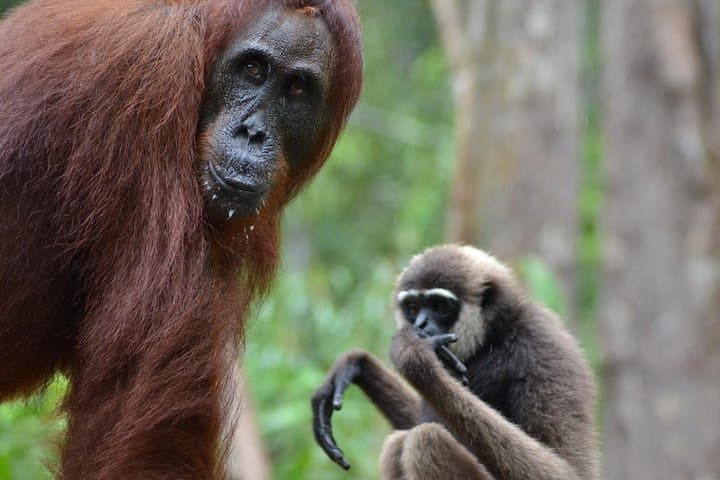
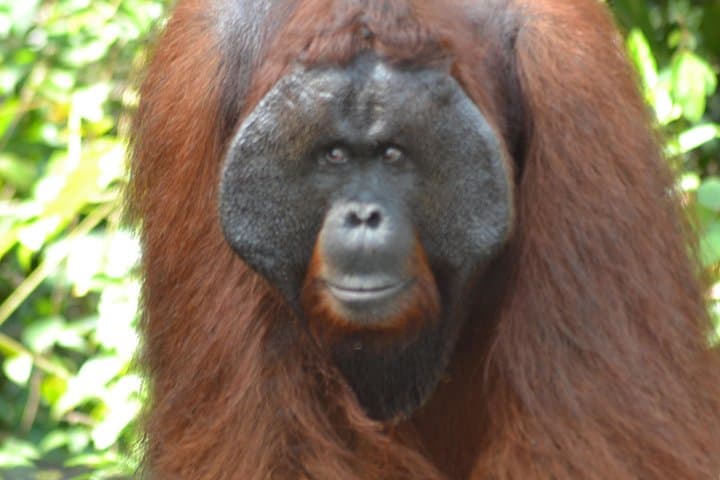
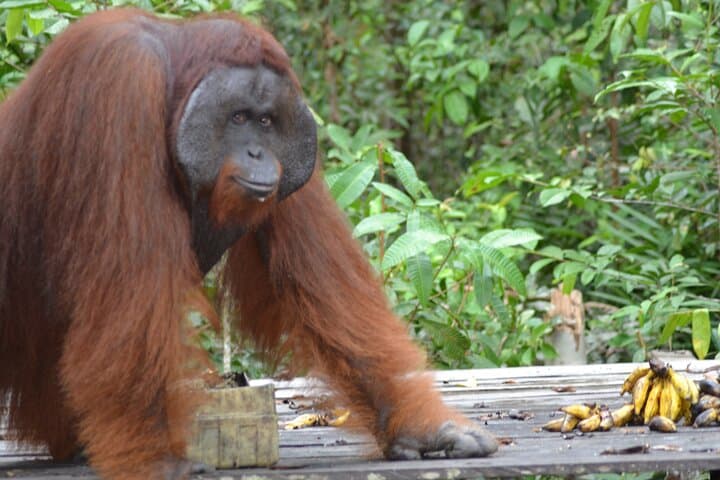
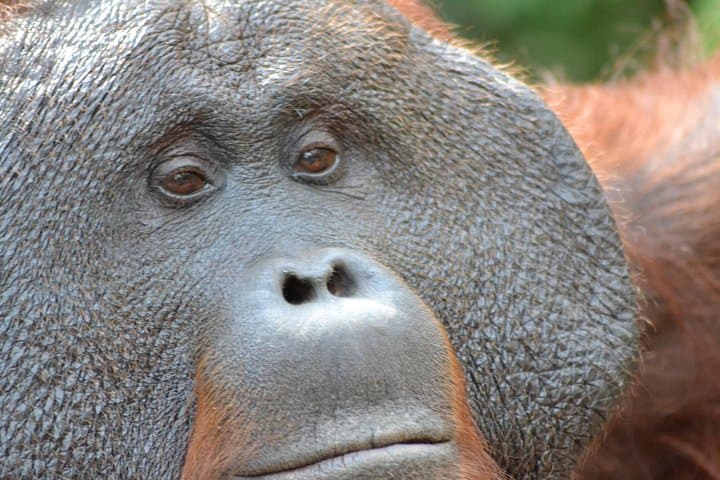
The Sekonyer River threads through peat forest like a slow-moving story; aboard a wooden kelotok you drift past mangrove roots and the occasional silhouette of a proboscis monkey watching the current. Daylight here is measured in bird calls and the sudden rustle of an orangutan approaching a feeding platform—close enough to see the orange fur catch the sun.
The Sekonyer River threads through peat forest like a slow-moving story; aboard a wooden kelotok you drift past mangrove roots and the occasional silhouette of a proboscis monkey watching the current. Daylight here is measured in bird calls and the sudden rustle of an orangutan approaching a feeding platform—close enough to see the orange fur catch the sun.
Tanjung Puting National Park gained scientific attention in the 1970s when researchers including Dr. Biruté Galdikas established feeding camps to study and protect wild orangutans. Geologically this stretch of Central Kalimantan sits on low-lying peat domes and black-water rivers tinted by tannins, creating the “black river” channels that carry you deeper into primary swamp forest. The local Dayak communities around Kumai and Pangkalan Bun maintain river-based livelihoods; you’ll pass traditional betang longhouses and riverside gardens on the final day.
Practically, the tour is a mix of quiet river cruising and short jungle treks—feeding camps like Tanjung Harapan and Camp Leakey involve 1–2 km walks on uneven, often muddy boardwalks. Expect early starts, insect-heavy evenings, and communal meals aboard the houseboat. The itinerary includes guided wildlife viewing, river navigation, and nights under the canopy with firefly displays in the Nipah mangroves.
Bring waterproof footwear, insect protection, and a small daypack for camera, water, and snacks. Best wildlife viewing usually aligns with the dry season (May–September) when trails are less flooded. Confirm airport or hotel pickup in Pangkalan Bun and clarify what park fees and feeding-camp permits are included in your booking before travel.