THE ADVENTURE COLLECTIVE® · Independent discovery and booking for outdoor travel

Join a two-hour, hands-on Sri Lankan cooking class set in an organic garden near Sigiriya. Learn spice preparation, traditional techniques and sit down to eat authentic rice-and-curry dishes you helped prepare.
Join a two-hour, hands-on Sri Lankan cooking class set in an organic garden near Sigiriya. Learn spice preparation, traditional techniques and sit down to eat authentic rice-and-curry dishes you helped prepare.
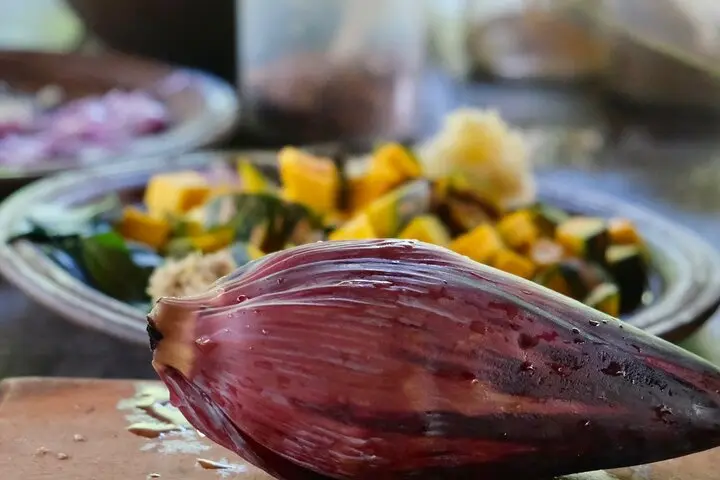
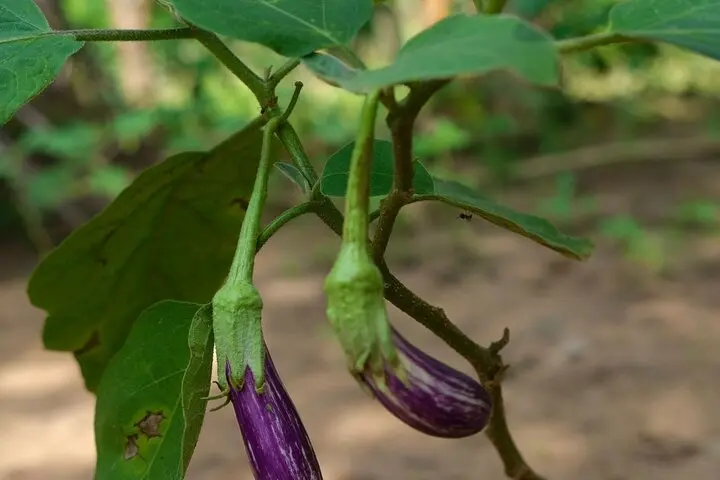
Steam rises from a clay pot as you step into a sun-bright kitchen garden a short drive from the foot of Sigiriya Rock. Palm fronds shade neat beds of curry leaves, lemongrass and chilis; the air smells of coconut, lime and roasted cumin. The class begins with a walk through the family’s organic plot — soil, roots and the rhythm of seasonal planting are as much part of the lesson as the mortar and pestle.
Verified experiences and guided adventures in the surrounding area.
Operated by Organic Cooking & lesson [Treditional Sri Lanka Foods] · Sigiriya, Central Province
Steam rises from a clay pot as you step into a sun-bright kitchen garden a short drive from the foot of Sigiriya Rock. Palm fronds shade neat beds of curry leaves, lemongrass and chilis; the air smells of coconut, lime and roasted cumin. The class begins with a walk through the family’s organic plot — soil, roots and the rhythm of seasonal planting are as much part of the lesson as the mortar and pestle.
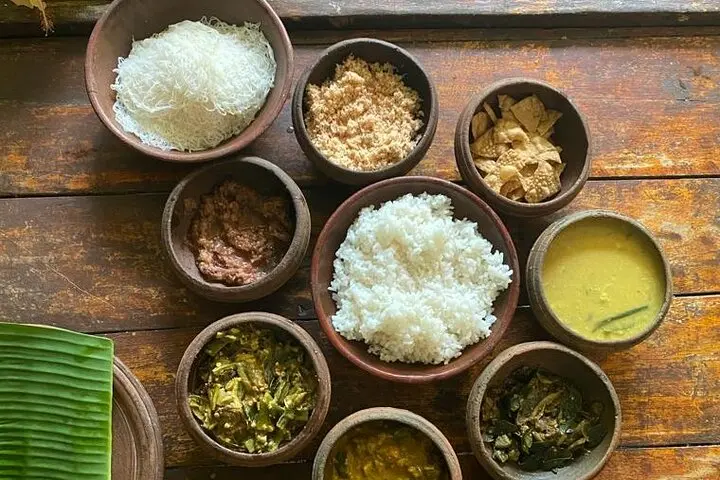
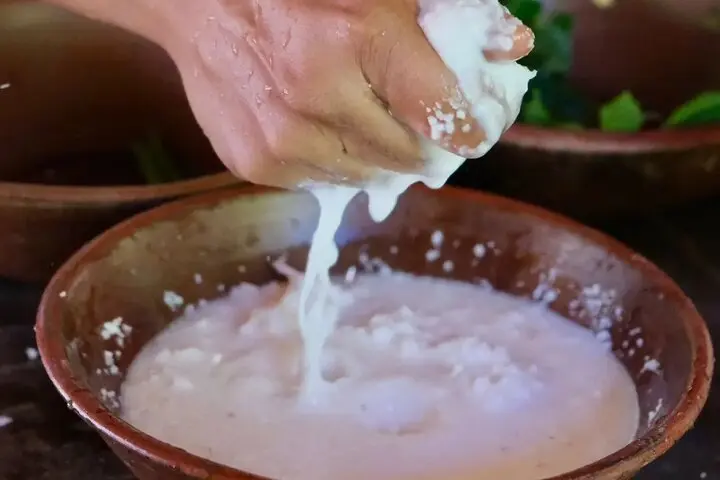
Sri Lanka’s rice-and-curry tradition draws on centuries of local cultivation and Ayurvedic foodways. Around Sigiriya, volcanic-era soils and irrigation systems shaped the small farms that still supply home kitchens. Expect a primer on spices — cinnamon, cardamom, turmeric — and demonstrations of traditional prep: tempering spices in oil, pressing coconut by hand, and shaping string hoppers on woven trays.
This is hands-on: you’ll chop, grind and cook under local guidance, then sit at a low, authentic table to taste what you made. The experience blends practical technique with cultural context — why certain spices balance heat, how seasonal produce determines the menu, and how family meals are arranged for sharing.
Practical notes: the session runs about two hours, includes an English-speaking host, and adapts to seasonal crops. Wear comfortable closed-toe shoes and bring water; inform hosts of allergies in advance. Photographs are welcome but ask before entering private family spaces. For travelers who want to eat with their hands and learn the mechanics of Sri Lankan home cooking, this is a compact, sensory introduction that pairs garden ecology with practical culinary skills.
Yes—hosts can focus on vegetable curries, lentils and coconut-based dishes, but notify them when booking to tailor the menu.
The listing notes wheelchair-accessible areas and surfaces, but terrain in the garden can include uneven ground—check specifics with the operator before booking.
Children can join; infants are expected to sit on laps. Activities are hands-on and can be adapted for older kids under parental supervision.
This is a participatory class: guests help prepare ingredients, cook key dishes and set a traditional table, with guided demonstrations for techniques like tempering and string-hopper shaping.
Organic Cooking & lesson [Treditional Sri Lanka Foods] operates guided outdoor trips and adventures with an emphasis on safety, stewardship, and memorable experiences.
Steam rises from a clay pot as you step into a sun-bright kitchen garden a short drive from the foot of Sigiriya Rock. Palm fronds shade neat beds of curry leaves, lemongrass and chilis; the air smells of coconut, lime and roasted cumin. The class begins with a walk through the family’s organic plot — soil, roots and the rhythm of seasonal planting are as much part of the lesson as the mortar and pestle.
Steam rises from a clay pot as you step into a sun-bright kitchen garden a short drive from the foot of Sigiriya Rock. Palm fronds shade neat beds of curry leaves, lemongrass and chilis; the air smells of coconut, lime and roasted cumin. The class begins with a walk through the family’s organic plot — soil, roots and the rhythm of seasonal planting are as much part of the lesson as the mortar and pestle.
Sri Lanka’s rice-and-curry tradition draws on centuries of local cultivation and Ayurvedic foodways. Around Sigiriya, volcanic-era soils and irrigation systems shaped the small farms that still supply home kitchens. Expect a primer on spices — cinnamon, cardamom, turmeric — and demonstrations of traditional prep: tempering spices in oil, pressing coconut by hand, and shaping string hoppers on woven trays.
This is hands-on: you’ll chop, grind and cook under local guidance, then sit at a low, authentic table to taste what you made. The experience blends practical technique with cultural context — why certain spices balance heat, how seasonal produce determines the menu, and how family meals are arranged for sharing.
Practical notes: the session runs about two hours, includes an English-speaking host, and adapts to seasonal crops. Wear comfortable closed-toe shoes and bring water; inform hosts of allergies in advance. Photographs are welcome but ask before entering private family spaces. For travelers who want to eat with their hands and learn the mechanics of Sri Lankan home cooking, this is a compact, sensory introduction that pairs garden ecology with practical culinary skills.