THE ADVENTURE COLLECTIVE® · Independent discovery and booking for outdoor travel

Ride dunes and rivers, hike to a 16‑meter waterfall and sleep in family ger camps on this 9‑day Mongolia route through Elsen Tasarkhai, the Orkhon Valley and Tsenkher hot springs. Expect mixed terrain, nomadic hospitality and a blend of hiking and multi‑day horsepacking.
Ride dunes and rivers, hike to a 16‑meter waterfall and sleep in family ger camps on this 9‑day Mongolia route through Elsen Tasarkhai, the Orkhon Valley and Tsenkher hot springs. Expect mixed terrain, nomadic hospitality and a blend of hiking and multi‑day horsepacking.
You crest a pale dune and the steppe opens like a hard, wind-sculpted page: grasslands rolling to basalt ridges, horses marking distant horizons, and at the edge of a valley a line of gers where smoke threads the sky.
Verified experiences and guided adventures in the surrounding area.
Operated by Legendary Gobi Travel · Kharkhorin, Arkhangai Province
You crest a pale dune and the steppe opens like a hard, wind-sculpted page: grasslands rolling to basalt ridges, horses marking distant horizons, and at the edge of a valley a line of gers where smoke threads the sky.
This 8-night, 9-day route threads Elsen Tasarkhai’s sand-dune steppes, the Orkhon River valley and the Ulaan Tsutgalan waterfall, then moves through volcanic lakes and on to hot springs and Kharkhorin’s Erdene Zuu monastery. Geologically the area is a patchwork of volcanic basalts, river-cut terraces and loess dunes carved by strong continental winds. Culturally, the route follows the arteries of Mongolian nomadism — seasonal herding circuits still in use and a landscape shaped by horsemanship for centuries.
Expect a mix of day hikes and multi-hour horseback segments: river fordings, grassy saddles, compact volcanic scree and beach-like dunes. Accommodation alternates between family ger camps, simple tent nights at Lake Khuis and a spa camp at Tsenkher hot springs. Meals are largely provided (breakfast, lunch, dinner) with local dairy, stews and mutton on the menu.
Practical guidance: bring layered clothing for cold mornings and sun-drenched afternoons, break in your boots and plan for dusty tracks and occasional muddy crossings. If you’re new to riding, let guides set pace and choose a steady local horse; sessions move between easy rides and more demanding, 3–5 day transits through the Naiman Nuur area.
Timing: late spring through early autumn gives the best access to high valleys and hot springs; winters are extreme and roads may close.
No—basic riding is sufficient for most sections; guides tailor pace and select horses by rider ability, though some multi-day segments are recommended for those with prior saddle time.
Accommodation alternates between simple family ger camps, tent nights at lakes and one resort-style spa camp at Tsenkher hot springs—comfort is rustic but clean.
Yes—daily breakfast, lunch and most dinners are provided, featuring local Mongolian cuisine; bring snacks for preference and energy between meals.
Late May through September offers the most reliable weather and road access; spring can be windy and early autumn brings cooler nights.
Legendary Gobi Travel operates guided outdoor trips and adventures with an emphasis on safety, stewardship, and memorable experiences.


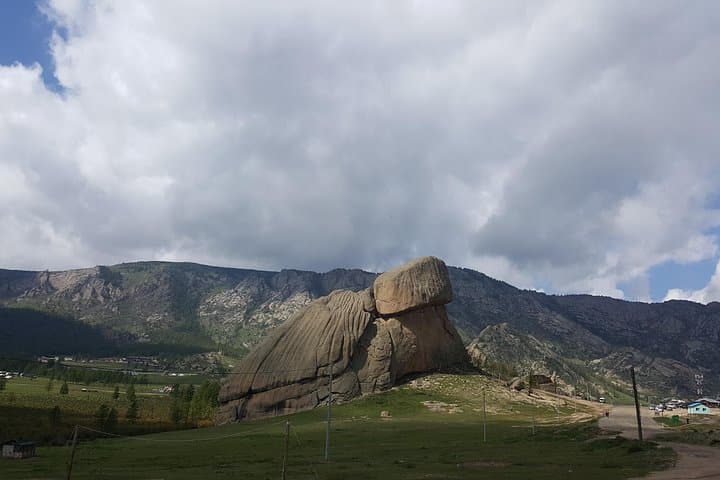
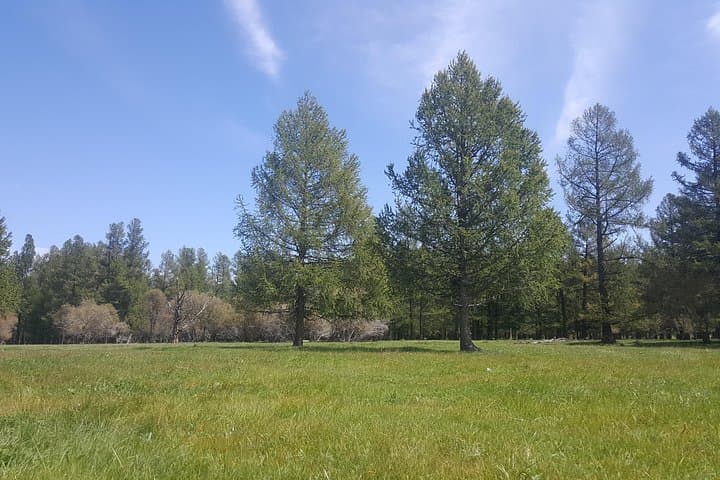
You crest a pale dune and the steppe opens like a hard, wind-sculpted page: grasslands rolling to basalt ridges, horses marking distant horizons, and at the edge of a valley a line of gers where smoke threads the sky.
You crest a pale dune and the steppe opens like a hard, wind-sculpted page: grasslands rolling to basalt ridges, horses marking distant horizons, and at the edge of a valley a line of gers where smoke threads the sky.
This 8-night, 9-day route threads Elsen Tasarkhai’s sand-dune steppes, the Orkhon River valley and the Ulaan Tsutgalan waterfall, then moves through volcanic lakes and on to hot springs and Kharkhorin’s Erdene Zuu monastery. Geologically the area is a patchwork of volcanic basalts, river-cut terraces and loess dunes carved by strong continental winds. Culturally, the route follows the arteries of Mongolian nomadism — seasonal herding circuits still in use and a landscape shaped by horsemanship for centuries.
Expect a mix of day hikes and multi-hour horseback segments: river fordings, grassy saddles, compact volcanic scree and beach-like dunes. Accommodation alternates between family ger camps, simple tent nights at Lake Khuis and a spa camp at Tsenkher hot springs. Meals are largely provided (breakfast, lunch, dinner) with local dairy, stews and mutton on the menu.
Practical guidance: bring layered clothing for cold mornings and sun-drenched afternoons, break in your boots and plan for dusty tracks and occasional muddy crossings. If you’re new to riding, let guides set pace and choose a steady local horse; sessions move between easy rides and more demanding, 3–5 day transits through the Naiman Nuur area.
Timing: late spring through early autumn gives the best access to high valleys and hot springs; winters are extreme and roads may close.