THE ADVENTURE COLLECTIVE® · Independent discovery and booking for outdoor travel

Escape Rome for a day to explore Orvieto’s soaring cathedral and the cliffside village of Civita di Bagnoregio. This driver-only, self-guided day trip mixes geology, medieval engineering and quiet streets — ideal for independent travelers who want time to explore at their own pace.
Escape Rome for a day to explore Orvieto’s soaring cathedral and the cliffside village of Civita di Bagnoregio. This driver-only, self-guided day trip mixes geology, medieval engineering and quiet streets — ideal for independent travelers who want time to explore at their own pace.
A two-hour highway unfurls behind you and then the landscape tightens: tufa cliffs rise like pages of an old book, and Orvieto sits perched on a volcanic plug, its cathedral face cutting the sky. You step out, the town’s stone air cool against the road’s hum, and the day becomes a sequence of narrow alleys, frescoed chapels and a dizzying stairwell that descends into the earth.
Verified experiences and guided adventures in the surrounding area.
Operated by Stefano Rome Day Tours · Orvieto, Umbria
A two-hour highway unfurls behind you and then the landscape tightens: tufa cliffs rise like pages of an old book, and Orvieto sits perched on a volcanic plug, its cathedral face cutting the sky. You step out, the town’s stone air cool against the road’s hum, and the day becomes a sequence of narrow alleys, frescoed chapels and a dizzying stairwell that descends into the earth.
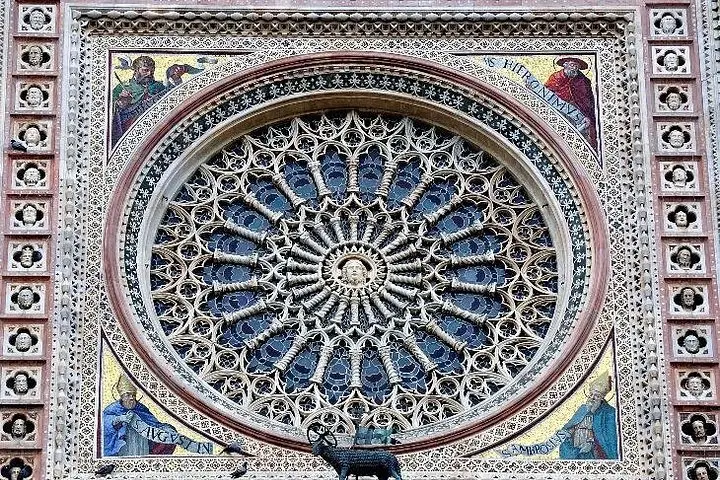
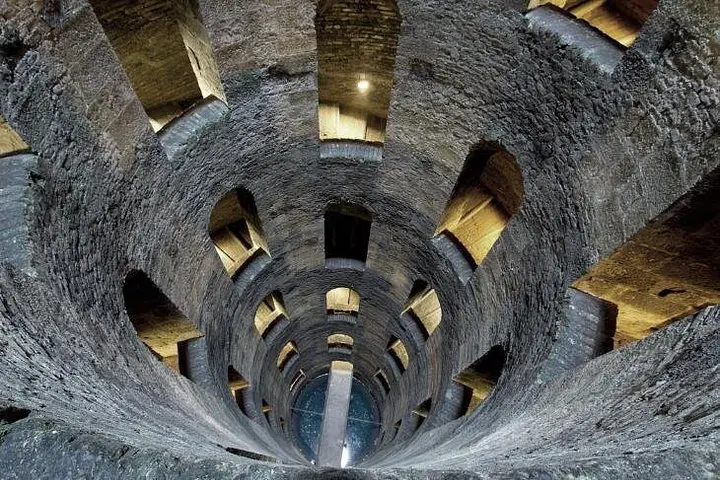
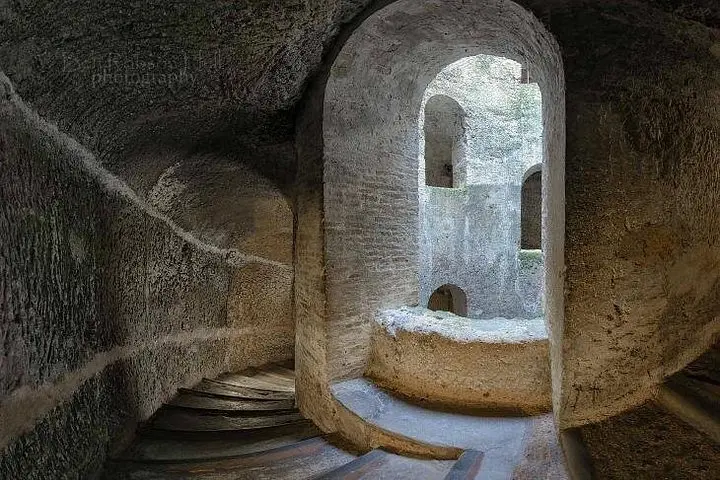
Orvieto’s Duomo dominates both skyline and history — begun in 1290 and developed over centuries it blends Romanesque foundations with Gothic ornament. Beneath the town, medieval engineers carved the Pozzo di San Patrizio, a 248-step helix well designed to protect water in siege. Geology here is plain to see: tufo and volcanic plugs formed from ancient eruptions create sheer cliffs and eroding saddles. Civita di Bagnoregio, reachable only by a single footbridge, was founded by the Etruscans on friable tuff and now survives as a traffic-free pocket of layered architecture and local artisans.
Practical side: this is a driver-only excursion — your English-speaking driver handles logistics and vehicular comfort but does not provide walking tours or guided commentary on foot. Expect about nine hours round trip from Rome, several hundred meters of uphill walking, cobbled streets and the 248-step well if you choose to descend. Buy Pozzo tickets on site (~€5), bring sturdy shoes, sun protection and water, and leave flex time for lunch in a family-run osteria. Visit early or late in the day to avoid tour buses; the footbridge to Civita rewards a slow approach and a quiet moment above the valley.
No — this is a driver-only service. The English-speaking driver provides transport and logistics but does not act as a licensed walking guide; you self-tour at each stop.
Expect about two hours each way depending on traffic, with a total excursion time of roughly nine hours including stops.
Yes — tickets are purchased on site (around €5) and you can descend the 248-step helix; wear secure footwear and consider ascent time.
Lunch and most attraction admissions are not included; bottled water and private transport are provided but bring cash or card for meals and tickets.
Stefano Rome Day Tours operates guided outdoor trips and adventures with an emphasis on safety, stewardship, and memorable experiences.
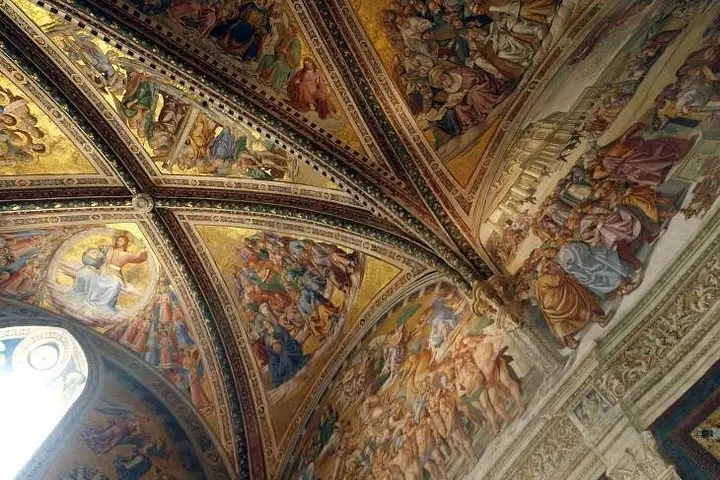
A two-hour highway unfurls behind you and then the landscape tightens: tufa cliffs rise like pages of an old book, and Orvieto sits perched on a volcanic plug, its cathedral face cutting the sky. You step out, the town’s stone air cool against the road’s hum, and the day becomes a sequence of narrow alleys, frescoed chapels and a dizzying stairwell that descends into the earth.
A two-hour highway unfurls behind you and then the landscape tightens: tufa cliffs rise like pages of an old book, and Orvieto sits perched on a volcanic plug, its cathedral face cutting the sky. You step out, the town’s stone air cool against the road’s hum, and the day becomes a sequence of narrow alleys, frescoed chapels and a dizzying stairwell that descends into the earth.
Orvieto’s Duomo dominates both skyline and history — begun in 1290 and developed over centuries it blends Romanesque foundations with Gothic ornament. Beneath the town, medieval engineers carved the Pozzo di San Patrizio, a 248-step helix well designed to protect water in siege. Geology here is plain to see: tufo and volcanic plugs formed from ancient eruptions create sheer cliffs and eroding saddles. Civita di Bagnoregio, reachable only by a single footbridge, was founded by the Etruscans on friable tuff and now survives as a traffic-free pocket of layered architecture and local artisans.
Practical side: this is a driver-only excursion — your English-speaking driver handles logistics and vehicular comfort but does not provide walking tours or guided commentary on foot. Expect about nine hours round trip from Rome, several hundred meters of uphill walking, cobbled streets and the 248-step well if you choose to descend. Buy Pozzo tickets on site (~€5), bring sturdy shoes, sun protection and water, and leave flex time for lunch in a family-run osteria. Visit early or late in the day to avoid tour buses; the footbridge to Civita rewards a slow approach and a quiet moment above the valley.