THE ADVENTURE COLLECTIVE® · Independent discovery and booking for outdoor travel

Spend a full day exploring Orvieto’s Duomo, climbing St. Patrick’s Well, tasting Vernaccia at a local winery and taking in the suspended village of Civita di Bagnoregio. This private tour blends history, geology and food across Umbria’s cliff-top scenery.
Spend a full day exploring Orvieto’s Duomo, climbing St. Patrick’s Well, tasting Vernaccia at a local winery and taking in the suspended village of Civita di Bagnoregio. This private tour blends history, geology and food across Umbria’s cliff-top scenery.
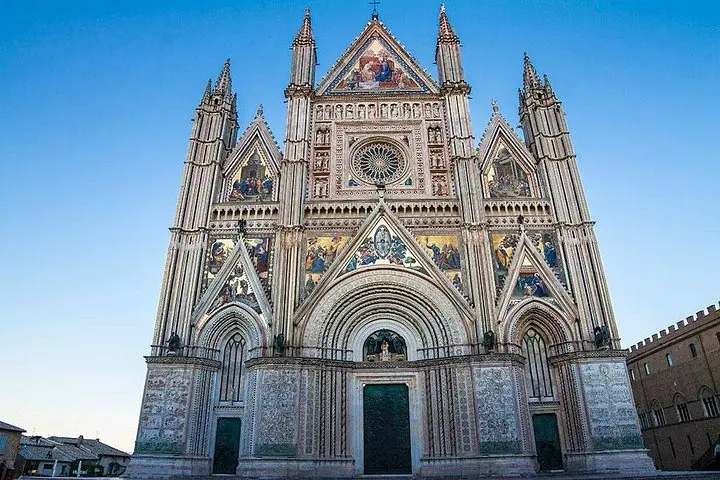
You arrive by road as the valley opens and Orvieto rises like a fortress of pale tuff above the Paglia. The Duomo’s mosaiced façade cuts a sudden, intricate silhouette; wind from the valley tugs at your jacket as you step into the old town’s narrow lanes. The day unfolds between cliff-top views, cellar doors and a village that seems to hang from time itself.
Verified experiences and guided adventures in the surrounding area.
Operated by SORPRENDIMI UMBRIA · Orvieto, Umbria
You arrive by road as the valley opens and Orvieto rises like a fortress of pale tuff above the Paglia. The Duomo’s mosaiced façade cuts a sudden, intricate silhouette; wind from the valley tugs at your jacket as you step into the old town’s narrow lanes. The day unfolds between cliff-top views, cellar doors and a village that seems to hang from time itself.
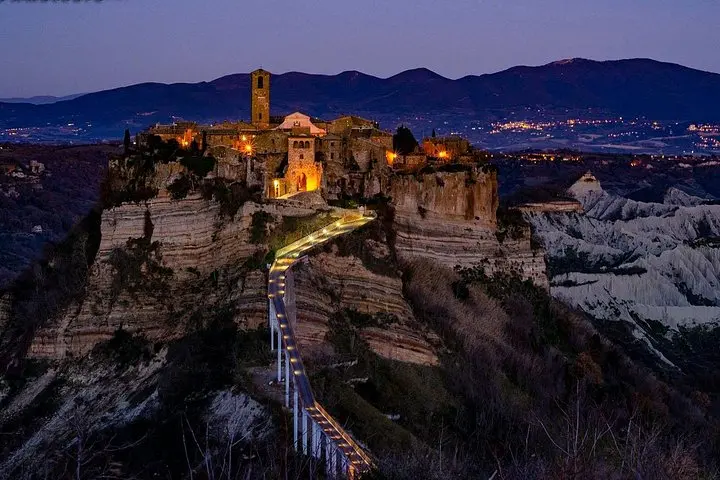
Orvieto’s roots are Etruscan: the city grew on friable volcanic tuff that made both defenses and underground cellars practical. The Duomo of Santa Maria Assunta blends Romanesque structure and Gothic ornamentation, while St. Patrick’s Well demonstrates Renaissance engineering descending deep into the rock. Later, Civita di Bagnoregio — often called “the dying city” because of erosion — offers a fragile, ancient core reached by a pedestrian bridge and framed by sweeping valley vistas.
Practical guidance: this is a full-day private tour mixing walking around historic sites with a winery lunch in the surrounding countryside. Wear sturdy walking shoes for cobbles and the bridge to Civita; bring sun protection and a refillable bottle for rural stretches between stops. Cameras are essential — the ramparts, well, and vineyard rows each have different light — but respect private cellars during tastings.
Timing matters: mornings are quieter at the Duomo; late afternoon yields softer light over Civita. If you have mobility limits, check with the operator about steps and uneven surfaces before booking. Finally, favor small local wineries and buy a bottle — it’s one of the clearest ways to support the living landscape you’ll be passing through.
This is a private tour that typically includes round-trip transport from an agreed meeting point; confirm pickup details when you book.
Entrance policies vary; many operators do not include museum or well entry, so check the tour inclusions before you go.
Most local wineries can handle common dietary needs if informed ahead of time—provide details at booking.
Access is via a long pedestrian bridge and the village has narrow, uneven lanes and steps; it’s not fully wheelchair-accessible—ask the operator for specifics.
SORPRENDIMI UMBRIA operates guided outdoor trips and adventures with an emphasis on safety, stewardship, and memorable experiences.
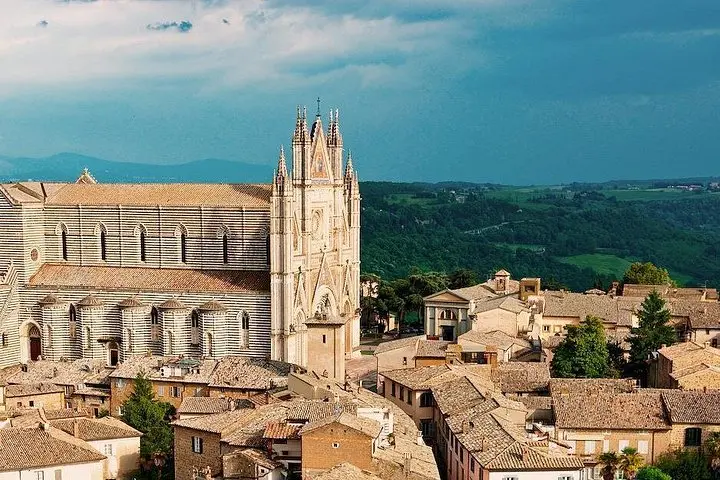
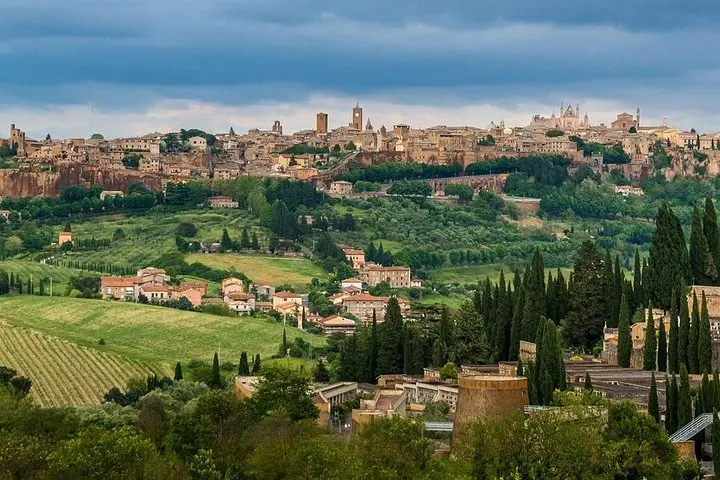
You arrive by road as the valley opens and Orvieto rises like a fortress of pale tuff above the Paglia. The Duomo’s mosaiced façade cuts a sudden, intricate silhouette; wind from the valley tugs at your jacket as you step into the old town’s narrow lanes. The day unfolds between cliff-top views, cellar doors and a village that seems to hang from time itself.
You arrive by road as the valley opens and Orvieto rises like a fortress of pale tuff above the Paglia. The Duomo’s mosaiced façade cuts a sudden, intricate silhouette; wind from the valley tugs at your jacket as you step into the old town’s narrow lanes. The day unfolds between cliff-top views, cellar doors and a village that seems to hang from time itself.
Orvieto’s roots are Etruscan: the city grew on friable volcanic tuff that made both defenses and underground cellars practical. The Duomo of Santa Maria Assunta blends Romanesque structure and Gothic ornamentation, while St. Patrick’s Well demonstrates Renaissance engineering descending deep into the rock. Later, Civita di Bagnoregio — often called “the dying city” because of erosion — offers a fragile, ancient core reached by a pedestrian bridge and framed by sweeping valley vistas.
Practical guidance: this is a full-day private tour mixing walking around historic sites with a winery lunch in the surrounding countryside. Wear sturdy walking shoes for cobbles and the bridge to Civita; bring sun protection and a refillable bottle for rural stretches between stops. Cameras are essential — the ramparts, well, and vineyard rows each have different light — but respect private cellars during tastings.
Timing matters: mornings are quieter at the Duomo; late afternoon yields softer light over Civita. If you have mobility limits, check with the operator about steps and uneven surfaces before booking. Finally, favor small local wineries and buy a bottle — it’s one of the clearest ways to support the living landscape you’ll be passing through.