THE ADVENTURE COLLECTIVE® · Independent discovery and booking for outdoor travel

Take a full-day shore excursion from Civitavecchia to Orvieto and the cliff-top village of Civita di Bagnoregio. Expect medieval architecture, a striking volcanic landscape, cobbled alleys and a traffic-free footbridge to a remarkably preserved ancient hilltown.
Take a full-day shore excursion from Civitavecchia to Orvieto and the cliff-top village of Civita di Bagnoregio. Expect medieval architecture, a striking volcanic landscape, cobbled alleys and a traffic-free footbridge to a remarkably preserved ancient hilltown.
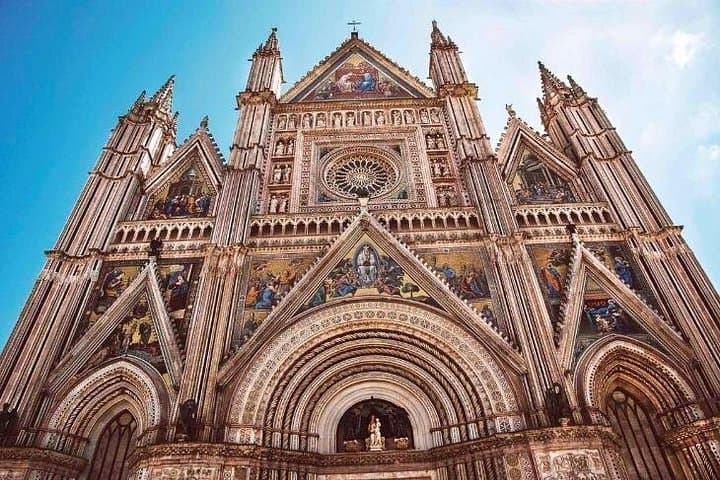
You ease away from the cruise terminal and the countryside opens: low olive groves, folded vineyards and, ahead, the abrupt silhouette of Orvieto sitting on a pale tuff plug. The road climbs; the town appears like a fortress cut from volcanic stone—its cathedral façade glittering in the Italian light.
Verified experiences and guided adventures in the surrounding area.
Operated by Stefano Rome Day Tours · Orvieto, Umbria
You ease away from the cruise terminal and the countryside opens: low olive groves, folded vineyards and, ahead, the abrupt silhouette of Orvieto sitting on a pale tuff plug. The road climbs; the town appears like a fortress cut from volcanic stone—its cathedral façade glittering in the Italian light.
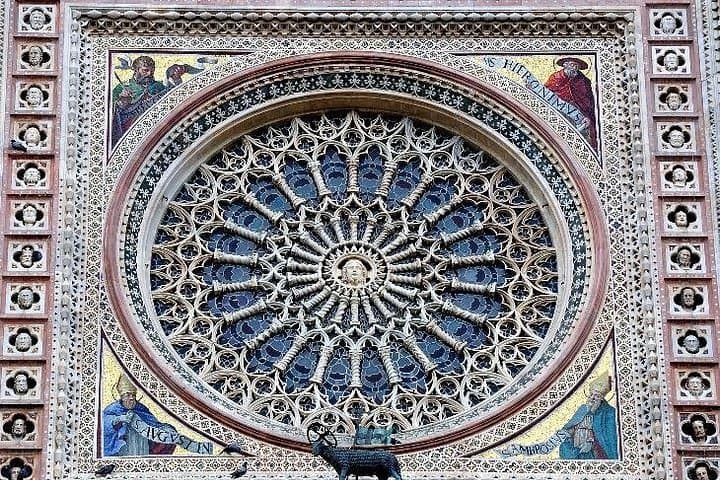
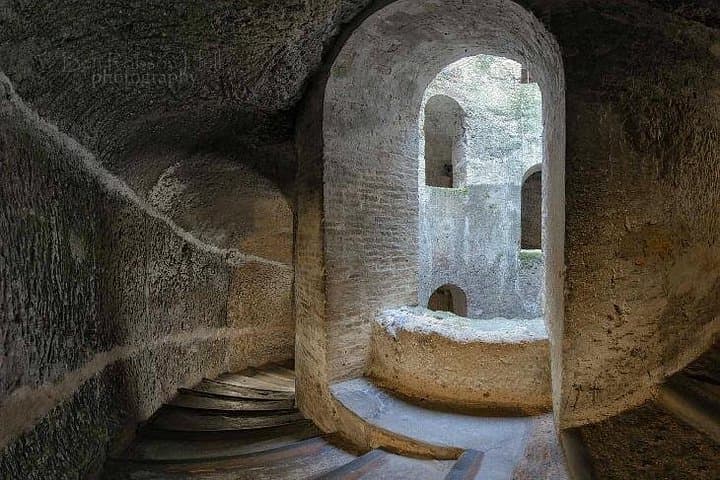
Orvieto’s story is geological and human: medieval builders worked the same volcanic tufa that formed these plateaus. Inside the Duomo, frescoed cycles by Signorelli and Fra Angelico mark centuries of religious art; nearer the town’s heart, the Pozzo di San Patrizio descends 248 helical steps—an engineering reply to medieval siege anxiety.
A short drive brings you to Civita di Bagnoregio, the fragile “dying town” founded by the Etruscans and perched on eroding tuff. A narrow pedestrian bridge is your only approach; the valley below has been carved by rain and time. Local hands steady ceramics shops and family trattorie that keep village life intact.
Practical edge: this is a driver-only transfer—no licensed guide—so plan for self-guided exploration. Expect uneven cobbles, steep grades and limited facilities in Civita; bring cash for Pozzo entrance (€5) and for small shops. Comfortable shoes and sensible pacing will let you take lunch in Orvieto, walk the well, and linger on Civita’s viewpoints before the return to the port. Travel early in the day to avoid heat and crowds, and treat the day as a blend of geology, quiet villages and hands-on, low-impact sightseeing.
No. This is a driver-only transfer with an English-speaking professional driver; it is self-guided once you stop at attractions.
Admission to some sites like the Pozzo di San Patrizio is not included and must be purchased on site—bring cash or card where accepted.
No. Civita is reached by a steep pedestrian bridge and has uneven surfaces and steps, so it’s not suitable for wheelchairs or limited mobility.
Allow plenty of buffer for port re-boarding—confirm your pickup/drop-off times with the driver and return at least 90 minutes before ship departure to account for traffic.
Stefano Rome Day Tours operates guided outdoor trips and adventures with an emphasis on safety, stewardship, and memorable experiences.

You ease away from the cruise terminal and the countryside opens: low olive groves, folded vineyards and, ahead, the abrupt silhouette of Orvieto sitting on a pale tuff plug. The road climbs; the town appears like a fortress cut from volcanic stone—its cathedral façade glittering in the Italian light.
You ease away from the cruise terminal and the countryside opens: low olive groves, folded vineyards and, ahead, the abrupt silhouette of Orvieto sitting on a pale tuff plug. The road climbs; the town appears like a fortress cut from volcanic stone—its cathedral façade glittering in the Italian light.
Orvieto’s story is geological and human: medieval builders worked the same volcanic tufa that formed these plateaus. Inside the Duomo, frescoed cycles by Signorelli and Fra Angelico mark centuries of religious art; nearer the town’s heart, the Pozzo di San Patrizio descends 248 helical steps—an engineering reply to medieval siege anxiety.
A short drive brings you to Civita di Bagnoregio, the fragile “dying town” founded by the Etruscans and perched on eroding tuff. A narrow pedestrian bridge is your only approach; the valley below has been carved by rain and time. Local hands steady ceramics shops and family trattorie that keep village life intact.
Practical edge: this is a driver-only transfer—no licensed guide—so plan for self-guided exploration. Expect uneven cobbles, steep grades and limited facilities in Civita; bring cash for Pozzo entrance (€5) and for small shops. Comfortable shoes and sensible pacing will let you take lunch in Orvieto, walk the well, and linger on Civita’s viewpoints before the return to the port. Travel early in the day to avoid heat and crowds, and treat the day as a blend of geology, quiet villages and hands-on, low-impact sightseeing.