THE ADVENTURE COLLECTIVE® · Independent discovery and booking for outdoor travel

Spend a full day exploring Orvieto’s Gothic cathedral, subterranean tunnels, and the cliff-top village of Civita di Bagnoregio. This private transfer-based tour pairs concentrated walking with relaxed time for lunch and independent discovery.
Spend a full day exploring Orvieto’s Gothic cathedral, subterranean tunnels, and the cliff-top village of Civita di Bagnoregio. This private transfer-based tour pairs concentrated walking with relaxed time for lunch and independent discovery.
The van eases out of Rome as the landscape loosens— olive groves and low volcanic ridges rolling like a paperback map. By midmorning you are walking Orvieto’s compact medieval core, where the cathedral’s façade catches light like a folded coin and the narrow streets funnel the town’s centuries-old cadence into a single stroll.
Verified experiences and guided adventures in the surrounding area.
Operated by Thybris · Orvieto, Umbria
The van eases out of Rome as the landscape loosens— olive groves and low volcanic ridges rolling like a paperback map. By midmorning you are walking Orvieto’s compact medieval core, where the cathedral’s façade catches light like a folded coin and the narrow streets funnel the town’s centuries-old cadence into a single stroll.
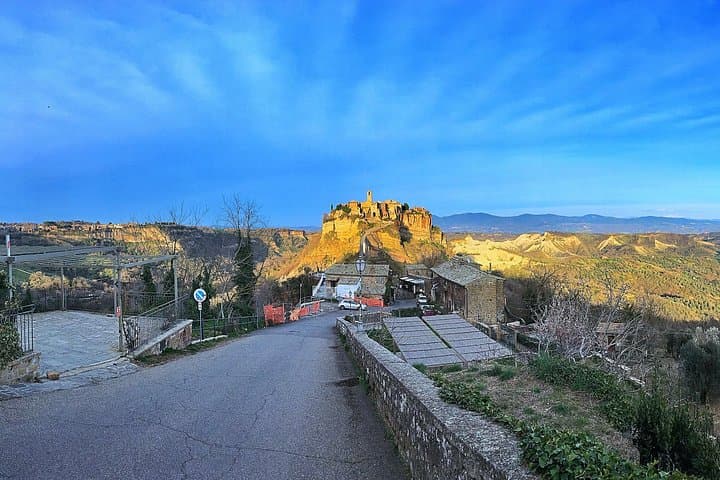
Orvieto grew from an Etruscan hill stronghold into a papal refuge; its well-built pozzo (St. Patrick’s Well) and layered underground caves tell a practical geological story—tufo tuff and volcanic deposits carved and quarried for generations. A two-hour drive brings you to Civita di Bagnoregio, the so-called dying city perched atop friable volcanic tufo, its cliffs eroded by streams and time, connected to the modern world by a single long footbridge that concentrates the view and the hush.
Culturally the route blends Umbrian and Lazio influences: local ceramics, robust wines, and simple regional cooking centered on seasonal produce. Expect time for a leisurely lunch and independent exploration at each stop; museums, craft shops, and brief underground tours are common highlights.
Practical guide: wear grippy shoes—the Civita approach is exposed and steep in places—carry water and a daypack, and plan for about ten hours including transit. The tour is private, with hotel pickup and flexible stops, but staircases, uneven stone, and some uphill walking mean a moderate fitness level is helpful. Morning light is best for photography in Orvieto; late afternoon casts Civita’s cliffs in long shadows. Bring cash for small vendors and allow extra time for narrow streets and parking logistics.
Travel time is roughly 1.5–2 hours each way depending on traffic; the full tour is about 10 hours with pickup and drop-off in Rome.
Museum or entry fees are generally not included; you’ll have free time to buy tickets on site where required.
The tour involves uneven cobbles, stairs, and a long pedestrian bridge to Civita—it's not recommended for travelers with significant mobility limitations.
Yes; the itinerary includes dedicated free time in both towns for lunch, shopping, and independent exploration.
Thybris operates guided outdoor trips and adventures with an emphasis on safety, stewardship, and memorable experiences.
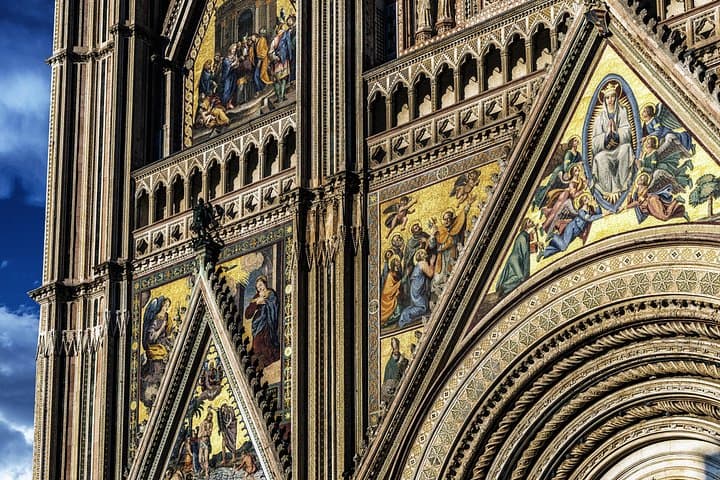
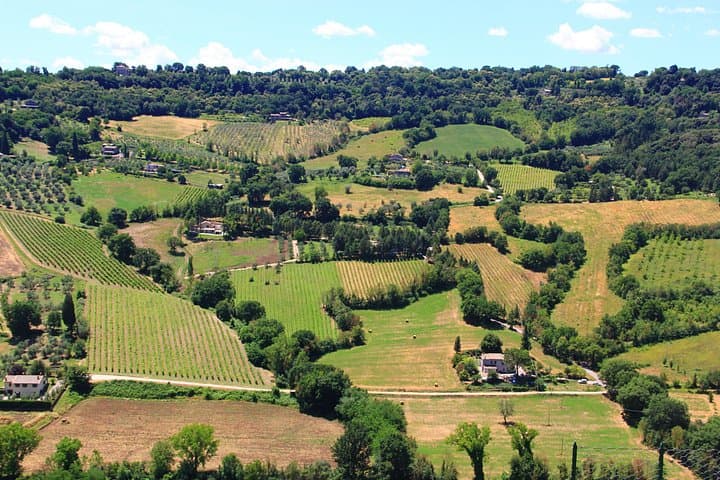
The van eases out of Rome as the landscape loosens— olive groves and low volcanic ridges rolling like a paperback map. By midmorning you are walking Orvieto’s compact medieval core, where the cathedral’s façade catches light like a folded coin and the narrow streets funnel the town’s centuries-old cadence into a single stroll.
The van eases out of Rome as the landscape loosens— olive groves and low volcanic ridges rolling like a paperback map. By midmorning you are walking Orvieto’s compact medieval core, where the cathedral’s façade catches light like a folded coin and the narrow streets funnel the town’s centuries-old cadence into a single stroll.
Orvieto grew from an Etruscan hill stronghold into a papal refuge; its well-built pozzo (St. Patrick’s Well) and layered underground caves tell a practical geological story—tufo tuff and volcanic deposits carved and quarried for generations. A two-hour drive brings you to Civita di Bagnoregio, the so-called dying city perched atop friable volcanic tufo, its cliffs eroded by streams and time, connected to the modern world by a single long footbridge that concentrates the view and the hush.
Culturally the route blends Umbrian and Lazio influences: local ceramics, robust wines, and simple regional cooking centered on seasonal produce. Expect time for a leisurely lunch and independent exploration at each stop; museums, craft shops, and brief underground tours are common highlights.
Practical guide: wear grippy shoes—the Civita approach is exposed and steep in places—carry water and a daypack, and plan for about ten hours including transit. The tour is private, with hotel pickup and flexible stops, but staircases, uneven stone, and some uphill walking mean a moderate fitness level is helpful. Morning light is best for photography in Orvieto; late afternoon casts Civita’s cliffs in long shadows. Bring cash for small vendors and allow extra time for narrow streets and parking logistics.