THE ADVENTURE COLLECTIVE® · Independent discovery and booking for outdoor travel

Depart Civitavecchia for an eight-hour private transfer to Orvieto’s cathedral-sanctified plateau and the cliff-bound Civita di Bagnoregio. Expect volcanic tuff landscapes, medieval lanes, and local wines—plus practical tips for steep streets and timing your visit.
Depart Civitavecchia for an eight-hour private transfer to Orvieto’s cathedral-sanctified plateau and the cliff-bound Civita di Bagnoregio. Expect volcanic tuff landscapes, medieval lanes, and local wines—plus practical tips for steep streets and timing your visit.
Morning light strikes the tuff and washes the Duomo’s façade in warm relief as a luxury minivan departs Civitavecchia port. Travelers move inland across Lazio’s patchwork fields toward Orvieto, then onward to the narrow bridge that connects Civita di Bagnoregio to the mainland—a dramatic arrival that feels part pilgrimage, part geological revelation.
Verified experiences and guided adventures in the surrounding area.
Operated by Carratonitours · Orvieto, Umbria
Morning light strikes the tuff and washes the Duomo’s façade in warm relief as a luxury minivan departs Civitavecchia port. Travelers move inland across Lazio’s patchwork fields toward Orvieto, then onward to the narrow bridge that connects Civita di Bagnoregio to the mainland—a dramatic arrival that feels part pilgrimage, part geological revelation.
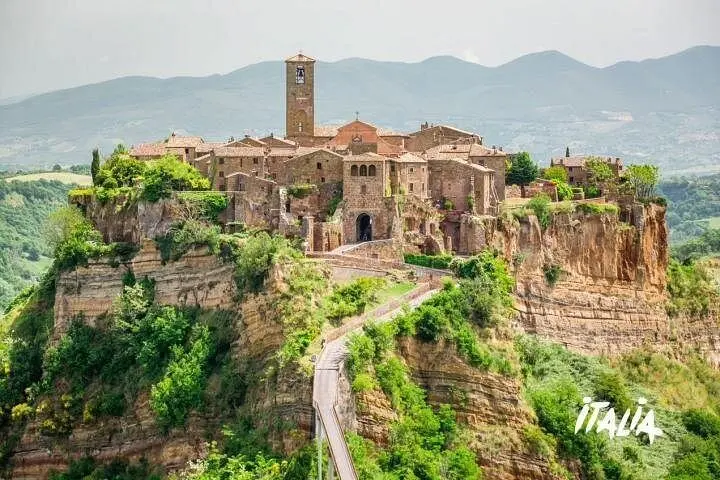
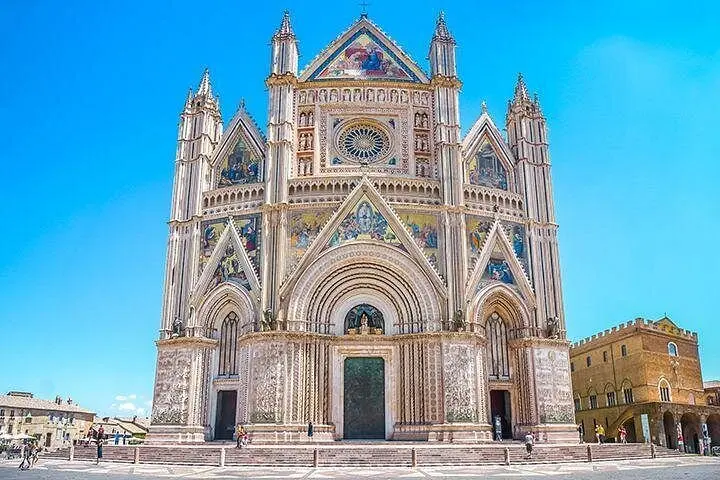
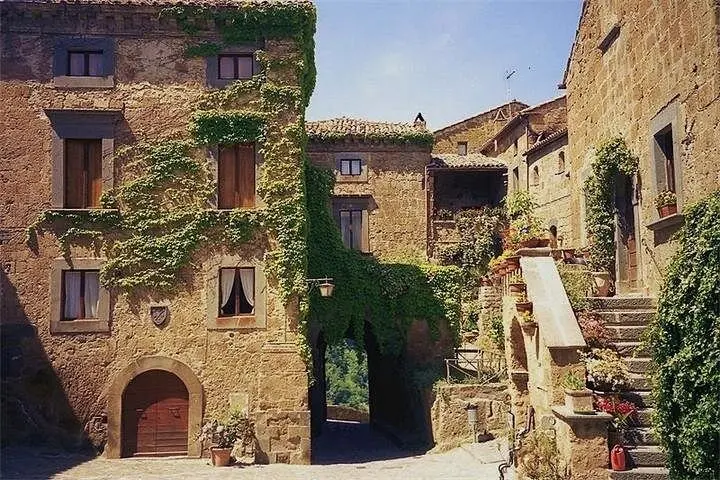
Orvieto sits atop a volcanic tuff plateau carved over millennia; its Gothic cathedral and underground Etruscan passages reflect a layered past—medieval prosperity built on Etruscan and Roman roots. Civita di Bagnoregio, the “dying city,” perches on eroding cliffs, its streets a compact maze of stone where Saint Bonaventure once walked.
Expect sweeping valley views, vineyards that produce Orvieto Classico, and sudden shifts from broad piazzas to stair-cut alleys. The tour typically includes port pickup around 8:00, guided driving between sites, and time to explore independently; admissions to monuments are usually not included. Terrain is mostly paved but steep; Civita’s access is a pedestrian bridge with steps, and some viewpoints require short, uneven walks.
Practical guidance: wear sturdy walking shoes, pack a refillable water bottle and sun protection, and time visits for morning or late afternoon to avoid peak heat. Bring modest layers—wind can push across the plateau—and allow for elevators or funiculars in Orvieto when mobility is a concern. With private transportation and about eight hours on the schedule, this excursion balances cultural immersion with measured outdoor exploration.
No—admissions such as the Duomo interior or underground tours are typically not included; guide or driver can advise on tickets and timing.
Pickup is generally scheduled around 8:00 AM in front of the cruise terminal; confirm exact meeting point when booking.
Transportation and some viewpoints in Orvieto are accessible, but Civita di Bagnoregio has a pedestrian bridge and internal steps that limit accessibility for wheelchairs.
Yes—Orvieto is famous for its white wines; many restaurants and enotecas offer tastings, though organized winery visits may require extra time or reservation.
Carratonitours operates guided outdoor trips and adventures with an emphasis on safety, stewardship, and memorable experiences.
Morning light strikes the tuff and washes the Duomo’s façade in warm relief as a luxury minivan departs Civitavecchia port. Travelers move inland across Lazio’s patchwork fields toward Orvieto, then onward to the narrow bridge that connects Civita di Bagnoregio to the mainland—a dramatic arrival that feels part pilgrimage, part geological revelation.
Morning light strikes the tuff and washes the Duomo’s façade in warm relief as a luxury minivan departs Civitavecchia port. Travelers move inland across Lazio’s patchwork fields toward Orvieto, then onward to the narrow bridge that connects Civita di Bagnoregio to the mainland—a dramatic arrival that feels part pilgrimage, part geological revelation.
Orvieto sits atop a volcanic tuff plateau carved over millennia; its Gothic cathedral and underground Etruscan passages reflect a layered past—medieval prosperity built on Etruscan and Roman roots. Civita di Bagnoregio, the “dying city,” perches on eroding cliffs, its streets a compact maze of stone where Saint Bonaventure once walked.
Expect sweeping valley views, vineyards that produce Orvieto Classico, and sudden shifts from broad piazzas to stair-cut alleys. The tour typically includes port pickup around 8:00, guided driving between sites, and time to explore independently; admissions to monuments are usually not included. Terrain is mostly paved but steep; Civita’s access is a pedestrian bridge with steps, and some viewpoints require short, uneven walks.
Practical guidance: wear sturdy walking shoes, pack a refillable water bottle and sun protection, and time visits for morning or late afternoon to avoid peak heat. Bring modest layers—wind can push across the plateau—and allow for elevators or funiculars in Orvieto when mobility is a concern. With private transportation and about eight hours on the schedule, this excursion balances cultural immersion with measured outdoor exploration.