THE ADVENTURE COLLECTIVE® · Independent discovery and booking for outdoor travel

See Nara’s bowing deer and Todaiji’s Great Buddha in the morning, then glide by private car into Osaka for castle history and a Dotonbori food crawl. This one-day private tour matches efficient logistics with hands-on cultural stops.
See Nara’s bowing deer and Todaiji’s Great Buddha in the morning, then glide by private car into Osaka for castle history and a Dotonbori food crawl. This one-day private tour matches efficient logistics with hands-on cultural stops.
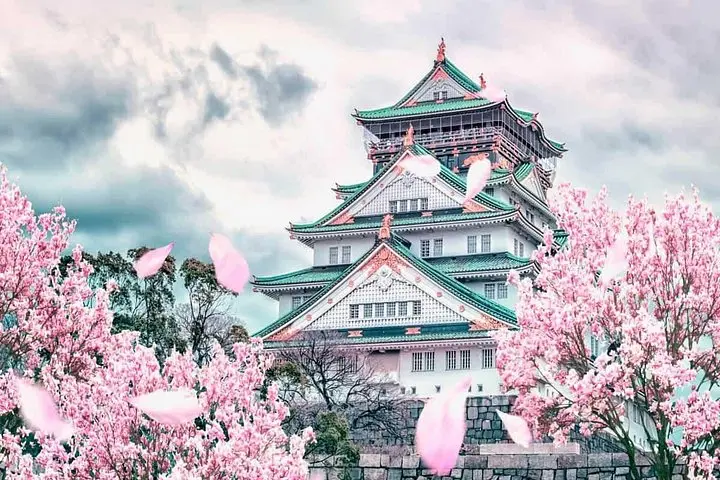
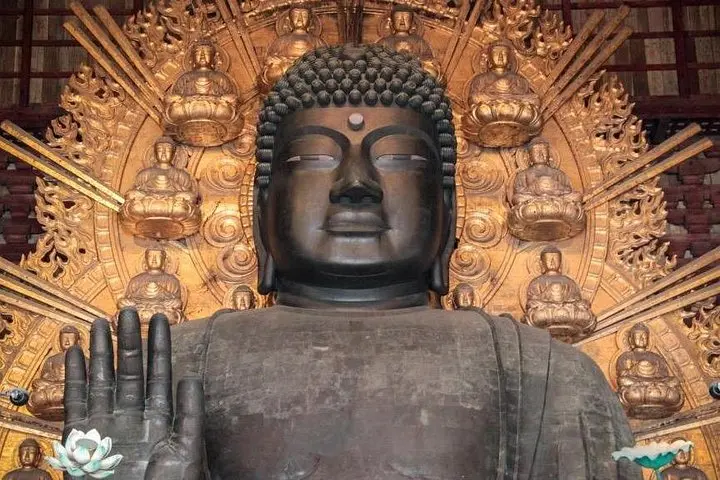
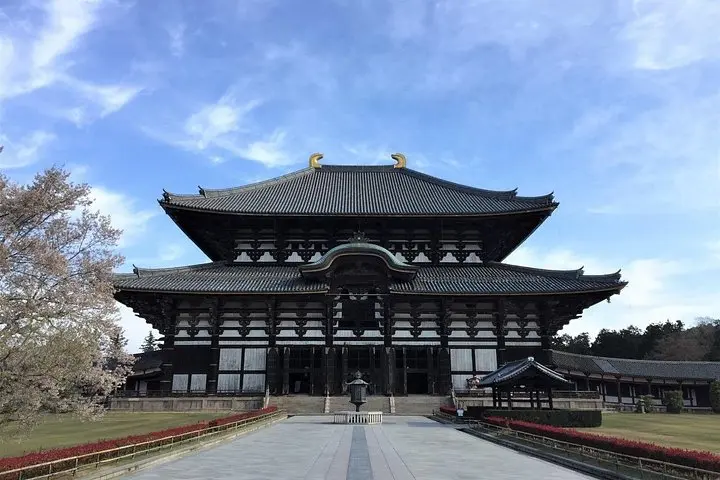
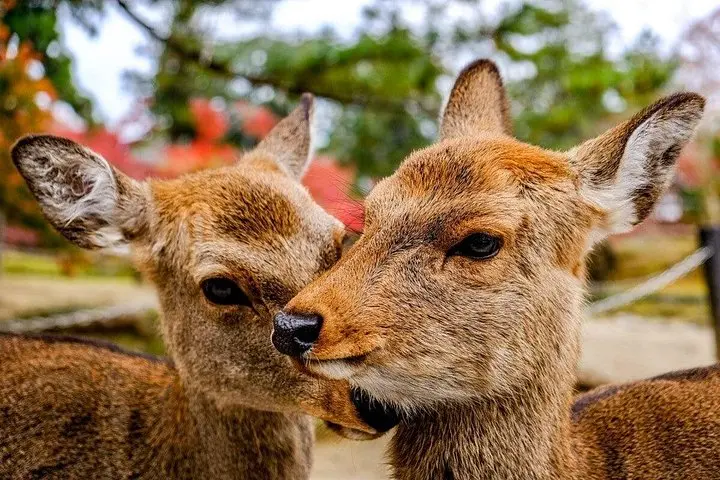
Morning light breaks across the wide lawns of Nara Park and the deer step forward as if to inspect your pack — curious, unhurried, and surprisingly expressive. A guide leads the small group beneath Nandaimon Gate toward Todaiji’s Great Buddha, its bronze face filling the wooden hall and the air humming with centuries of ritual. Later, the private vehicle threads toward Osaka; the city arrives in a different key — stone walls, green roofs, and the layered history of a castle that has watched markets grow into neon rivers at Dotonbori.
Verified experiences and guided adventures in the surrounding area.
Operated by Japan with Christine · Osaka, Osaka Prefecture
Morning light breaks across the wide lawns of Nara Park and the deer step forward as if to inspect your pack — curious, unhurried, and surprisingly expressive. A guide leads the small group beneath Nandaimon Gate toward Todaiji’s Great Buddha, its bronze face filling the wooden hall and the air humming with centuries of ritual. Later, the private vehicle threads toward Osaka; the city arrives in a different key — stone walls, green roofs, and the layered history of a castle that has watched markets grow into neon rivers at Dotonbori.
Todaiji dates to the 8th century and houses one of Japan’s largest bronze Buddhas; its timber architecture survived earthquakes, fires, and reconstruction. Osaka Castle, rebuilt after Sengoku-era conflicts, sits on engineered stonework and moats that reflect both military ambition and urban renewal. Between them, Nara’s sacred deer—considered messengers in Shinto belief—share space with city life and riverside commerce.
Practically: expect 6–9 hours with moderate walking on uneven temple grounds and city sidewalks. Entrance fees are typically required (Todaiji ~¥800; Osaka Castle museum ~¥1,200); carry cash and a passport copy for reservations. Wear supportive shoes, bring a compact rain jacket, and plan arrival times to avoid midday crowds at Todaiji and the evening rush in Dotonbori. Guides handle logistics and door-to-door transport, but travelers should be prepared for short walks, staircases in historic buildings, and respectful deer interactions — feed only approved crackers and keep pockets secure.
This itinerary blends wildlife moments, layered history, and urban culinary energy into a single efficient day — sensory, practical, and unmistakably Japanese.
Yes — private transportation includes hotel pickup and drop-off within the arranged area; confirm exact pickup point when you book.
Entrance fees for Todaiji and Osaka Castle are listed as included in the itinerary notes, but confirm during booking and bring backup cash for any optional exhibits or last-minute changes.
Infants and small children can use strollers; some temple areas and castle museum levels have stairs, so a carrier may be easier for quicker movement.
Guides can recommend suitable options, but because stops are run by small vendors, inform the operator in advance about allergies or restrictions.
Japan with Christine operates guided outdoor trips and adventures with an emphasis on safety, stewardship, and memorable experiences.
Morning light breaks across the wide lawns of Nara Park and the deer step forward as if to inspect your pack — curious, unhurried, and surprisingly expressive. A guide leads the small group beneath Nandaimon Gate toward Todaiji’s Great Buddha, its bronze face filling the wooden hall and the air humming with centuries of ritual. Later, the private vehicle threads toward Osaka; the city arrives in a different key — stone walls, green roofs, and the layered history of a castle that has watched markets grow into neon rivers at Dotonbori.
Morning light breaks across the wide lawns of Nara Park and the deer step forward as if to inspect your pack — curious, unhurried, and surprisingly expressive. A guide leads the small group beneath Nandaimon Gate toward Todaiji’s Great Buddha, its bronze face filling the wooden hall and the air humming with centuries of ritual. Later, the private vehicle threads toward Osaka; the city arrives in a different key — stone walls, green roofs, and the layered history of a castle that has watched markets grow into neon rivers at Dotonbori.
Todaiji dates to the 8th century and houses one of Japan’s largest bronze Buddhas; its timber architecture survived earthquakes, fires, and reconstruction. Osaka Castle, rebuilt after Sengoku-era conflicts, sits on engineered stonework and moats that reflect both military ambition and urban renewal. Between them, Nara’s sacred deer—considered messengers in Shinto belief—share space with city life and riverside commerce.
Practically: expect 6–9 hours with moderate walking on uneven temple grounds and city sidewalks. Entrance fees are typically required (Todaiji ~¥800; Osaka Castle museum ~¥1,200); carry cash and a passport copy for reservations. Wear supportive shoes, bring a compact rain jacket, and plan arrival times to avoid midday crowds at Todaiji and the evening rush in Dotonbori. Guides handle logistics and door-to-door transport, but travelers should be prepared for short walks, staircases in historic buildings, and respectful deer interactions — feed only approved crackers and keep pockets secure.
This itinerary blends wildlife moments, layered history, and urban culinary energy into a single efficient day — sensory, practical, and unmistakably Japanese.