THE ADVENTURE COLLECTIVE® · Independent discovery and booking for outdoor travel

Spend an hour near Osaka Castle learning chanoyu: change into kimono, taste seasonal wagashi, and learn the etiquette and Zen-rooted gestures of the tea ceremony. Practical tips and cultural context prepare you to participate respectfully and comfortably.
Spend an hour near Osaka Castle learning chanoyu: change into kimono, taste seasonal wagashi, and learn the etiquette and Zen-rooted gestures of the tea ceremony. Practical tips and cultural context prepare you to participate respectfully and comfortably.
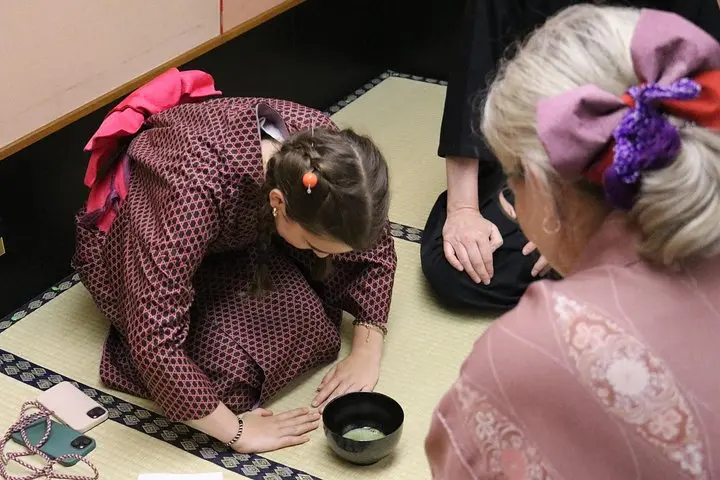
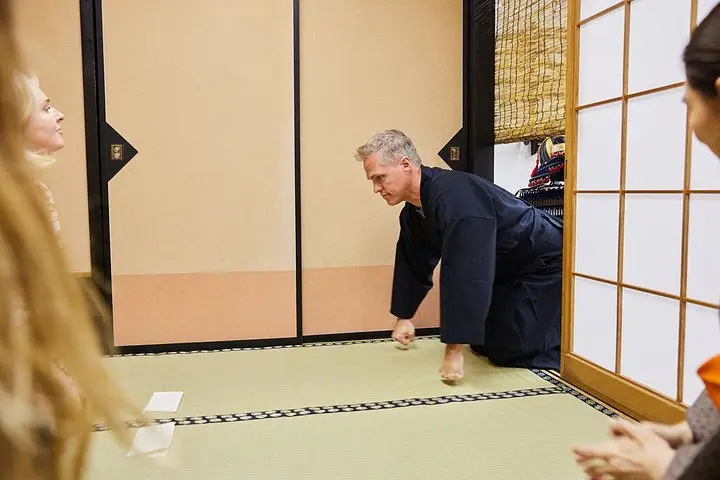
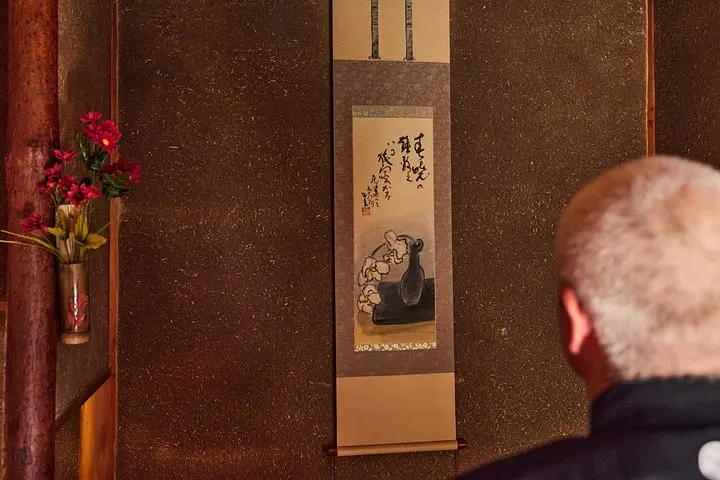
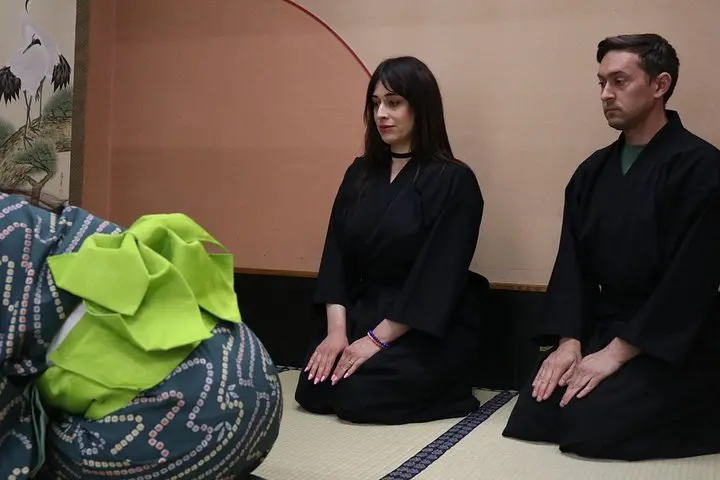
You step through a low wooden door and the city noise narrows to a single, measured breath. Tatami underfoot, the tea room frames a small garden view and the host’s movements—precise, economical—begin to shape the hour.
Verified experiences and guided adventures in the surrounding area.
Operated by SAMURAI HONOR · Osaka, Osaka Prefecture
You step through a low wooden door and the city noise narrows to a single, measured breath. Tatami underfoot, the tea room frames a small garden view and the host’s movements—precise, economical—begin to shape the hour.
The lesson near Osaka Castle places you in a long line of practice that links samurai-era ritual to modern hospitality. The tea ceremony (chanoyu) grew from Zen principles and the aesthetics of wabi-sabi; wagashi—seasonal confections—teach the subtle calendar of Japan in edible form. Wearing a kimono and learning to sit, bow, and receive tea ties gesture to history: the same basic etiquette evolved alongside castle towns and urban teahouses.
Geology and cityscape are never far away; Osaka sits on an alluvial plain where the castle’s moat and the surrounding park funnel wind and light into intimate frames used by tea masters for centuries.
Practical guidance: plan for an hour; arrive 10–15 minutes early. You’ll change into traditional attire, so wear easy-to-remove footwear and minimal jewelry. Photography with a smartphone is allowed but discreet—no tripods or wide filming. The class is taught in English by default; ask about other languages in advance. Not recommended if you have severe back problems or mobility limitations, since traditional seating and low entryways are part of the experience.
Leave time after the session to walk Osaka Castle Park—watch koi in the moat and sample wagashi at a nearby confectioner. This is an accessible, focused cultural exchange that rewards attention to small gestures and seasonal detail.
No—classes are designed for beginners and cover etiquette, basic gestures, and how to drink matcha.
Traditional attire is provided in most sessions, but you can ask the operator in advance if you prefer to bring your own.
Children can participate, but the experience requires patience and quiet—check age policies and booking notes before reserving.
Full refund is typically available if you cancel at least 24 hours before the scheduled start; late arrivals may be refused entry.
SAMURAI HONOR operates guided outdoor trips and adventures with an emphasis on safety, stewardship, and memorable experiences.
You step through a low wooden door and the city noise narrows to a single, measured breath. Tatami underfoot, the tea room frames a small garden view and the host’s movements—precise, economical—begin to shape the hour.
You step through a low wooden door and the city noise narrows to a single, measured breath. Tatami underfoot, the tea room frames a small garden view and the host’s movements—precise, economical—begin to shape the hour.
The lesson near Osaka Castle places you in a long line of practice that links samurai-era ritual to modern hospitality. The tea ceremony (chanoyu) grew from Zen principles and the aesthetics of wabi-sabi; wagashi—seasonal confections—teach the subtle calendar of Japan in edible form. Wearing a kimono and learning to sit, bow, and receive tea ties gesture to history: the same basic etiquette evolved alongside castle towns and urban teahouses.
Geology and cityscape are never far away; Osaka sits on an alluvial plain where the castle’s moat and the surrounding park funnel wind and light into intimate frames used by tea masters for centuries.
Practical guidance: plan for an hour; arrive 10–15 minutes early. You’ll change into traditional attire, so wear easy-to-remove footwear and minimal jewelry. Photography with a smartphone is allowed but discreet—no tripods or wide filming. The class is taught in English by default; ask about other languages in advance. Not recommended if you have severe back problems or mobility limitations, since traditional seating and low entryways are part of the experience.
Leave time after the session to walk Osaka Castle Park—watch koi in the moat and sample wagashi at a nearby confectioner. This is an accessible, focused cultural exchange that rewards attention to small gestures and seasonal detail.