THE ADVENTURE COLLECTIVE® · Independent discovery and booking for outdoor travel

Taste your way through Osaka’s Dotombori and Namba neighborhoods on a private three-hour walking tour. Experience neon-lit streets, historic alleys, and market stalls with local bites and a guide who points you to the best quick eats and cultural context.
Taste your way through Osaka’s Dotombori and Namba neighborhoods on a private three-hour walking tour. Experience neon-lit streets, historic alleys, and market stalls with local bites and a guide who points you to the best quick eats and cultural context.
The neon throws a pulse across the canal and the Glico sign watches like a jubilant overseer as you step into Dotombori’s electric evening. Street vendors call you closer, a takoyaki grill hissing rhythmically while the Dotonbori canal dares you to slow down and take it in—the reflections of lights ripple and tug at your attention.
Verified experiences and guided adventures in the surrounding area.
Operated by Opatrip.com Japan · Osaka, Osaka Prefecture
The neon throws a pulse across the canal and the Glico sign watches like a jubilant overseer as you step into Dotombori’s electric evening. Street vendors call you closer, a takoyaki grill hissing rhythmically while the Dotonbori canal dares you to slow down and take it in—the reflections of lights ripple and tug at your attention.
This three-hour private walking tour threads through Minami (Namba), a district shaped by Edo-period theater culture and rebuilt into a modern playground of food and nightlife. The area’s geology—flat, river-channelled land—is why Osaka grew as a trading and eating hub; Kuromon Ichiba Market grew from those trading roots into the city’s kitchen, supplying fishmongers and small restaurants for generations.
Culturally, Osaka prides itself on kushikatsu, okonomiyaki, and a direct, hospitable street-food culture: vendors expect quick praise, small conversation, and polite payment. Local alleys like Hozenji Yokocho preserve an older pace—mossy stone lanterns and narrow storefronts give a quiet counterpoint to the main drag.
Practically, expect about 3 hours of mostly flat walking on sidewalks and alleys, with multiple short food stops included. Bring cash (many stalls are cash-first), a charged phone for photos and navigation, and comfortable shoes—the route moves fast through crowded streets. Go early evening to catch neon at its best and cooler temperatures; if you want quieter market browsing, arrive for a daytime slot.
This is urban exploration with a culinary focus: sensory, social, and easy to adapt whether you’re a first-time visitor or repeating the favorites.
Yes—small tastings are provided at three stops so you can sample local specialties like takoyaki and okonomiyaki.
Yes—this experience is offered as a private guided walk for your booking party.
Expect mostly flat, short urban walks between stops over a total of about three hours; the route is suitable for most fitness levels.
You can note special requirements at booking; the guide will aim to suggest alternatives but advance notice helps.
Opatrip.com Japan operates guided outdoor trips and adventures with an emphasis on safety, stewardship, and memorable experiences.
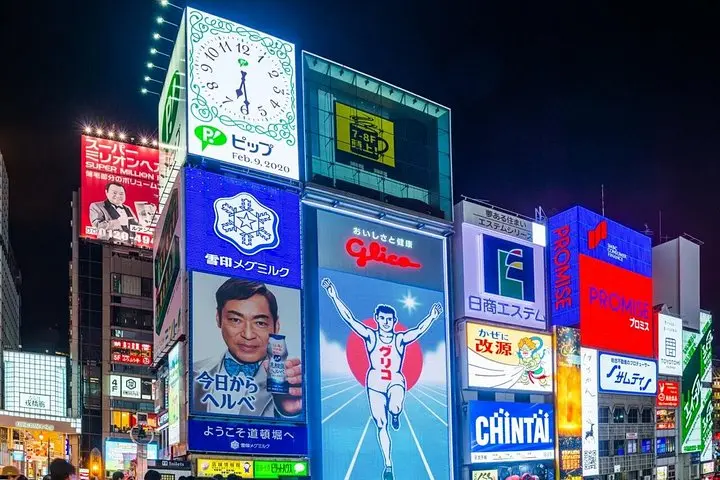

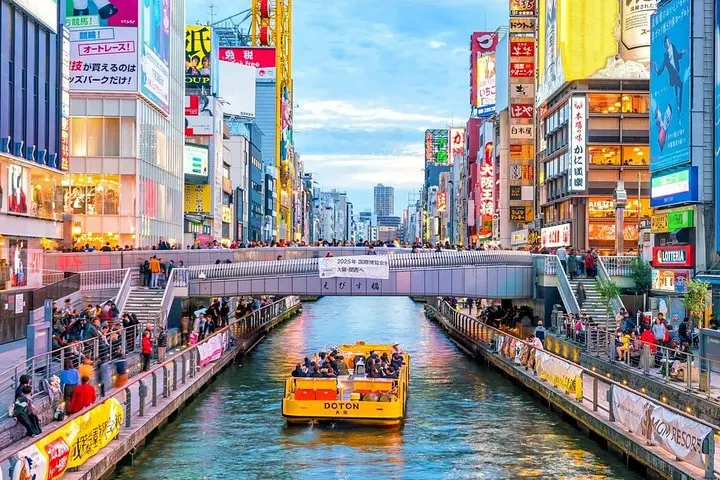
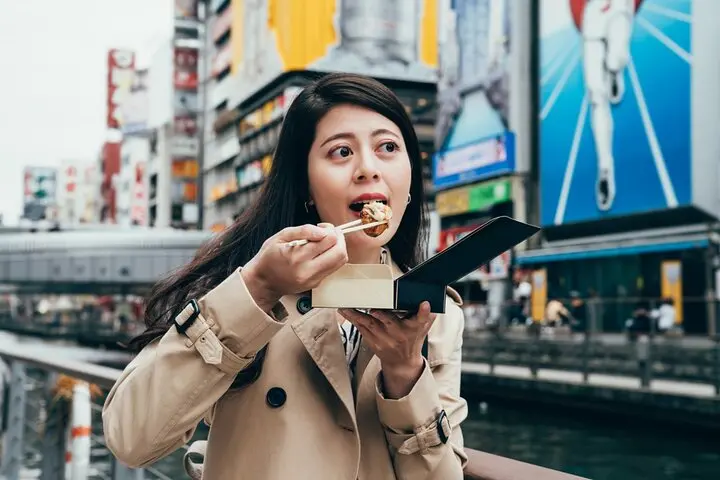
The neon throws a pulse across the canal and the Glico sign watches like a jubilant overseer as you step into Dotombori’s electric evening. Street vendors call you closer, a takoyaki grill hissing rhythmically while the Dotonbori canal dares you to slow down and take it in—the reflections of lights ripple and tug at your attention.
The neon throws a pulse across the canal and the Glico sign watches like a jubilant overseer as you step into Dotombori’s electric evening. Street vendors call you closer, a takoyaki grill hissing rhythmically while the Dotonbori canal dares you to slow down and take it in—the reflections of lights ripple and tug at your attention.
This three-hour private walking tour threads through Minami (Namba), a district shaped by Edo-period theater culture and rebuilt into a modern playground of food and nightlife. The area’s geology—flat, river-channelled land—is why Osaka grew as a trading and eating hub; Kuromon Ichiba Market grew from those trading roots into the city’s kitchen, supplying fishmongers and small restaurants for generations.
Culturally, Osaka prides itself on kushikatsu, okonomiyaki, and a direct, hospitable street-food culture: vendors expect quick praise, small conversation, and polite payment. Local alleys like Hozenji Yokocho preserve an older pace—mossy stone lanterns and narrow storefronts give a quiet counterpoint to the main drag.
Practically, expect about 3 hours of mostly flat walking on sidewalks and alleys, with multiple short food stops included. Bring cash (many stalls are cash-first), a charged phone for photos and navigation, and comfortable shoes—the route moves fast through crowded streets. Go early evening to catch neon at its best and cooler temperatures; if you want quieter market browsing, arrive for a daytime slot.
This is urban exploration with a culinary focus: sensory, social, and easy to adapt whether you’re a first-time visitor or repeating the favorites.