THE ADVENTURE COLLECTIVE® · Independent discovery and booking for outdoor travel

Experience Osaka’s underground music scene on a private 3–4 hour tour that pairs intimate live performances with a local dinner featuring kushikatsu, yakitori, or okonomiyaki. Perfect for small groups seeking an authentic night out guided by a local.
Experience Osaka’s underground music scene on a private 3–4 hour tour that pairs intimate live performances with a local dinner featuring kushikatsu, yakitori, or okonomiyaki. Perfect for small groups seeking an authentic night out guided by a local.
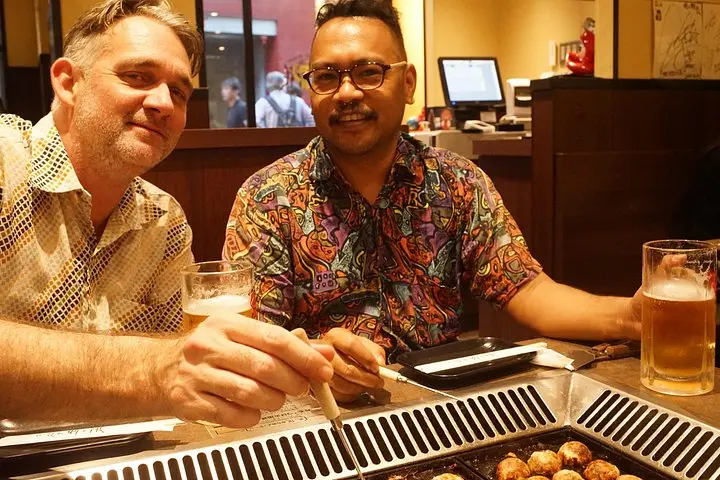
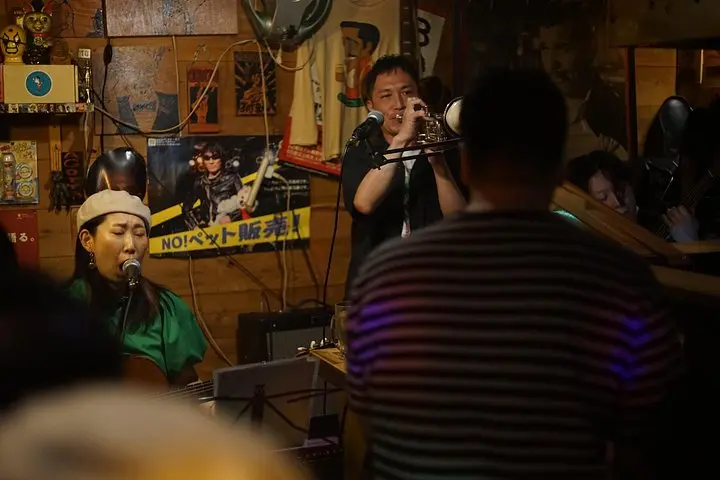
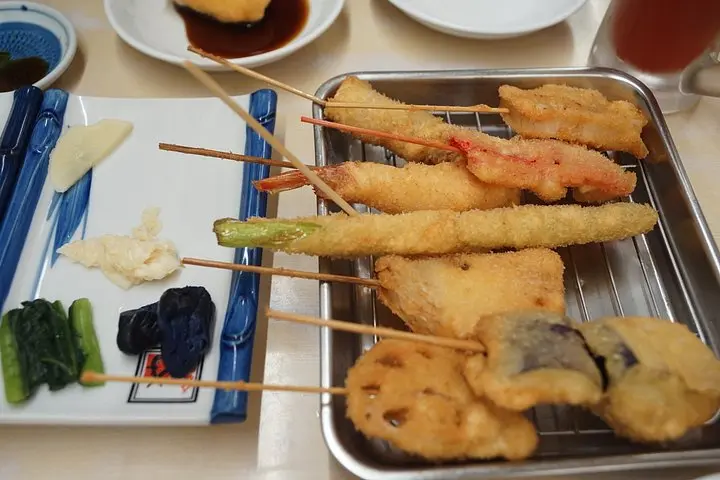
Night has a particular gravity in Osaka: neon alleyways pull you toward small doors, the air scented with frying oil and charcoal, and from behind a narrow shutter someone tunes a guitar. This private 3–4 hour tour threads those doors together—an intimate livehouse, a standing-room venue where the bass presses into the floorboards, then a nearby izakaya for kushikatsu, yakitori, or okonomiyaki prepared the local way.
Verified experiences and guided adventures in the surrounding area.
Operated by Pocket Guide Japan · Osaka, Osaka Prefecture
Night has a particular gravity in Osaka: neon alleyways pull you toward small doors, the air scented with frying oil and charcoal, and from behind a narrow shutter someone tunes a guitar. This private 3–4 hour tour threads those doors together—an intimate livehouse, a standing-room venue where the bass presses into the floorboards, then a nearby izakaya for kushikatsu, yakitori, or okonomiyaki prepared the local way.
Osaka’s modern nightlife grew from its long history as Japan’s merchant city; the same practical, hustle-driven culture that built the markets also spawned communities where musicians could experiment outside Tokyo’s glare. The venues you’ll visit are often in converted shopfronts or basements in districts like Namba and Amerika-mura, set on compact streets carved from the city’s layered urban geology—reclaimed riverside flats, tight grid streets, and alleys that funnel sound.
Expect close-up performances: indie rock, lo-fi bands, or acoustic sets in rooms built for listening. Guides arrange tickets in advance and tailor dinner choices to your party—vegetarian options available on request. Public transit is excellent; most meeting points sit a short walk from major stations, and neighborhoods stay active late.
Practical guidance: arrive with small bills or an IC card for transit and casual purchases, wear comfortable shoes for walking and standing during sets, and communicate diet or accessibility needs when booking. The pace is unhurried but requires flexible timing—doors open and sets shift quickly. This is a night designed for listeners who want to feel the city, not just see it.
The experience runs approximately 3–4 hours, including venue entry and dinner.
Yes, tours are private for 2–6 guests and guided by a local host who arranges tickets and dining.
Yes—inform the operator at booking and guides will select menu items or venues that can meet your needs.
Guides typically speak English and basic Japanese; check availability of language support when booking.
Pocket Guide Japan operates guided outdoor trips and adventures with an emphasis on safety, stewardship, and memorable experiences.

Night has a particular gravity in Osaka: neon alleyways pull you toward small doors, the air scented with frying oil and charcoal, and from behind a narrow shutter someone tunes a guitar. This private 3–4 hour tour threads those doors together—an intimate livehouse, a standing-room venue where the bass presses into the floorboards, then a nearby izakaya for kushikatsu, yakitori, or okonomiyaki prepared the local way.
Night has a particular gravity in Osaka: neon alleyways pull you toward small doors, the air scented with frying oil and charcoal, and from behind a narrow shutter someone tunes a guitar. This private 3–4 hour tour threads those doors together—an intimate livehouse, a standing-room venue where the bass presses into the floorboards, then a nearby izakaya for kushikatsu, yakitori, or okonomiyaki prepared the local way.
Osaka’s modern nightlife grew from its long history as Japan’s merchant city; the same practical, hustle-driven culture that built the markets also spawned communities where musicians could experiment outside Tokyo’s glare. The venues you’ll visit are often in converted shopfronts or basements in districts like Namba and Amerika-mura, set on compact streets carved from the city’s layered urban geology—reclaimed riverside flats, tight grid streets, and alleys that funnel sound.
Expect close-up performances: indie rock, lo-fi bands, or acoustic sets in rooms built for listening. Guides arrange tickets in advance and tailor dinner choices to your party—vegetarian options available on request. Public transit is excellent; most meeting points sit a short walk from major stations, and neighborhoods stay active late.
Practical guidance: arrive with small bills or an IC card for transit and casual purchases, wear comfortable shoes for walking and standing during sets, and communicate diet or accessibility needs when booking. The pace is unhurried but requires flexible timing—doors open and sets shift quickly. This is a night designed for listeners who want to feel the city, not just see it.