THE ADVENTURE COLLECTIVE® · Independent discovery and booking for outdoor travel

A private MPV transfer from Kansai Airport to Kanazawa offers a comfortable 4–5 hour drive along Japan’s west coast. Expect spacious vehicles, Wi‑Fi, and drivers who know Kanazawa’s hotels and routes—ideal for travelers seeking a direct, low-stress connection.
A private MPV transfer from Kansai Airport to Kanazawa offers a comfortable 4–5 hour drive along Japan’s west coast. Expect spacious vehicles, Wi‑Fi, and drivers who know Kanazawa’s hotels and routes—ideal for travelers seeking a direct, low-stress connection.
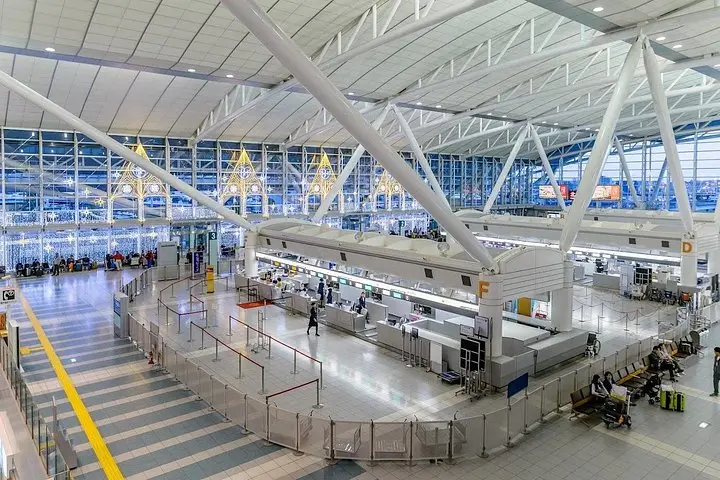
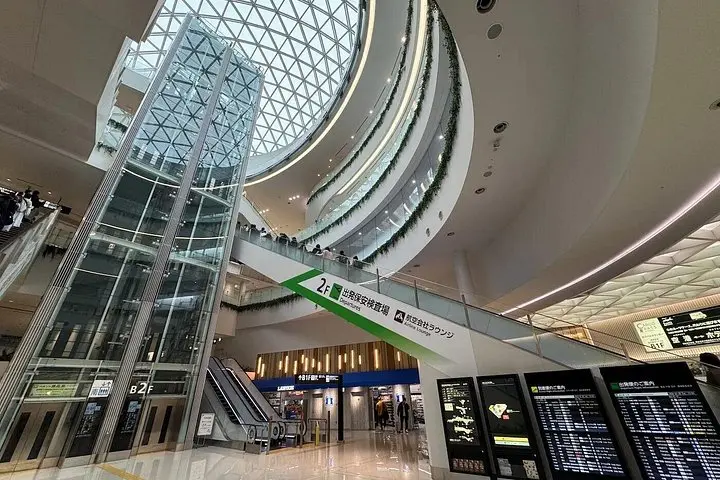
You step out of Kansai International's arrival hall into a quiet corridor of trolleys and announcements; a driver waits with a printed name, a clean MPV idling nearby and the promise of a straight road to the Sea of Japan coast. The highway unfurls through Osaka’s urban fringe, past low hills that give way to the punctuated ridges of the Inland Sea and, later, the darker, forested shoulders of the Ryōhaku range that cradle Ishikawa Prefecture.
Verified experiences and guided adventures in the surrounding area.
Operated by TREVOPEDIA · Kanazawa, Ishikawa Prefecture
You step out of Kansai International's arrival hall into a quiet corridor of trolleys and announcements; a driver waits with a printed name, a clean MPV idling nearby and the promise of a straight road to the Sea of Japan coast. The highway unfurls through Osaka’s urban fringe, past low hills that give way to the punctuated ridges of the Inland Sea and, later, the darker, forested shoulders of the Ryōhaku range that cradle Ishikawa Prefecture.
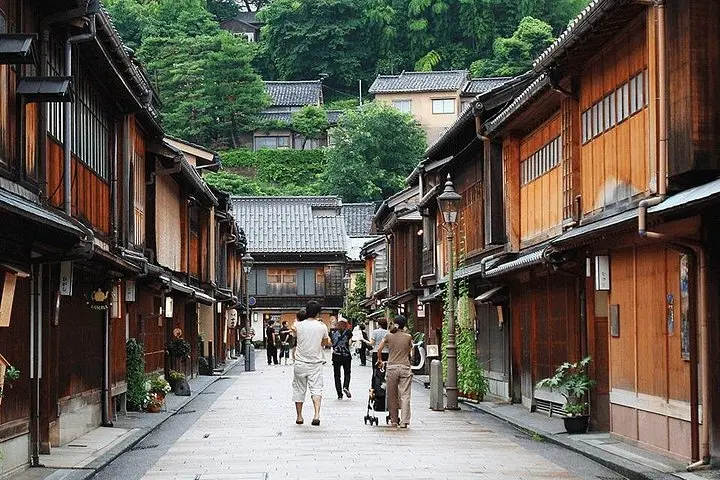
This transfer traces modern Japan’s arterial routes more than ancient trails, but it crosses regions with layered histories: castle towns and samurai districts in Kanazawa, seaside fishing communities, and volcanic-formed uplands that shaped local settlements. Geology is visible — coastal plains edged by the sharp silhouette of the Hida Mountains — and culture announces itself in roadside udon shops and service-area markets selling regional sweets and rice crackers.
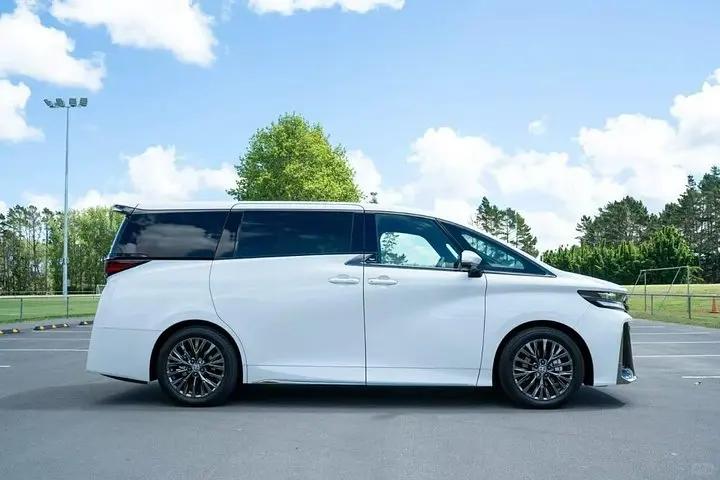
Practically, expect 4–5 hours door-to-door (roughly 250–300 km, depending on route and traffic). Vehicles are MPVs in 5-, 7- or 10-seat configurations, air-conditioned, with onboard Wi‑Fi and room for luggage. Drivers are typically bilingual at a practical level and familiar with Kanazawa’s hotels and train station drop-offs; they’ll assist with bags and wait for a standard boarding window. Note: highway tolls and potential overtime surcharges may not be included, and mobility-accessible vehicles are available on request.
Bring needed travel documents, a charged phone, and plan for a comfort stop; the route offers tidy rest areas but services vary by season. This is a straightforward, low-stress way to move between hubs while watching western Honshu slide slowly into the coastal light.
The driver will meet you in the arrivals hall, holding a sign with the booking name; final pickup details and driver contact are sent by email one day before travel.
Contact the driver as soon as you can; operators often accommodate reasonable delays but may charge an overtime surcharge—notify them via the provided contact details.
MPVs have ample luggage space for typical passenger bags, but very large or excess luggage may require an additional vehicle or surcharge—note that highway/toll fees may not be included.
Yes—wheelchair-accessible vehicles and surfaces are available; indicate accessibility needs when booking so the operator can prepare appropriate vehicles and assistance.
TREVOPEDIA operates guided outdoor trips and adventures with an emphasis on safety, stewardship, and memorable experiences.
You step out of Kansai International's arrival hall into a quiet corridor of trolleys and announcements; a driver waits with a printed name, a clean MPV idling nearby and the promise of a straight road to the Sea of Japan coast. The highway unfurls through Osaka’s urban fringe, past low hills that give way to the punctuated ridges of the Inland Sea and, later, the darker, forested shoulders of the Ryōhaku range that cradle Ishikawa Prefecture.
You step out of Kansai International's arrival hall into a quiet corridor of trolleys and announcements; a driver waits with a printed name, a clean MPV idling nearby and the promise of a straight road to the Sea of Japan coast. The highway unfurls through Osaka’s urban fringe, past low hills that give way to the punctuated ridges of the Inland Sea and, later, the darker, forested shoulders of the Ryōhaku range that cradle Ishikawa Prefecture.
This transfer traces modern Japan’s arterial routes more than ancient trails, but it crosses regions with layered histories: castle towns and samurai districts in Kanazawa, seaside fishing communities, and volcanic-formed uplands that shaped local settlements. Geology is visible — coastal plains edged by the sharp silhouette of the Hida Mountains — and culture announces itself in roadside udon shops and service-area markets selling regional sweets and rice crackers.
Practically, expect 4–5 hours door-to-door (roughly 250–300 km, depending on route and traffic). Vehicles are MPVs in 5-, 7- or 10-seat configurations, air-conditioned, with onboard Wi‑Fi and room for luggage. Drivers are typically bilingual at a practical level and familiar with Kanazawa’s hotels and train station drop-offs; they’ll assist with bags and wait for a standard boarding window. Note: highway tolls and potential overtime surcharges may not be included, and mobility-accessible vehicles are available on request.
Bring needed travel documents, a charged phone, and plan for a comfort stop; the route offers tidy rest areas but services vary by season. This is a straightforward, low-stress way to move between hubs while watching western Honshu slide slowly into the coastal light.