THE ADVENTURE COLLECTIVE® · Independent discovery and booking for outdoor travel

Walk Dotonbori's neon-lit canal and explore Shinsekai’s retro streets on a private three-hour tour that mixes food, history, and kid-friendly stops. Learn local customs, see Tsutenkaku Tower, and get practical tips for navigating Osaka’s busiest districts.
Walk Dotonbori's neon-lit canal and explore Shinsekai’s retro streets on a private three-hour tour that mixes food, history, and kid-friendly stops. Learn local customs, see Tsutenkaku Tower, and get practical tips for navigating Osaka’s busiest districts.
You step out into a corridor of light: Dotonbori's neon signs glare like carnival heralds, the canal reflects a jitter of color, and the city feels alive enough to tug you forward.
Verified experiences and guided adventures in the surrounding area.
Operated by japan local and fun experiences · Osaka, Osaka Prefecture
You step out into a corridor of light: Dotonbori's neon signs glare like carnival heralds, the canal reflects a jitter of color, and the city feels alive enough to tug you forward.
This three-hour private walk threads two of Osaka’s most characterful neighborhoods — Dotonbori, the entertainment artery that grew from Edo-period trade, and Shinsekai, the early-20th-century showpiece anchored by Tsutenkaku Tower. Expect crowded arcades, grilled-street-food aromas, and narrow lanes where local rituals — from ritual foot-washing at small shrines to shopkeepers calling out specials — keep a rhythm older than the LED facades.
Geology here is quiet: reclaimed riverbanks shaped commerce and set the canal that defines Dotonbori. Culturally, Osaka is a merchant city: casual, outspoken, and culinary-first. Your guide will point out architectural layers — postwar shopfronts beside retro izakayas — and explain why the tower became a civic landmark after its early-1900s construction and rebuilding.
Practical guidance: this is an easy, mostly flat urban walk with frequent stops and food opportunities. Shoes with good soles and a charged phone are the small things that make the day smoother. Public transport links are plentiful; guides typically meet near a recognizable landmark or station exit. There’s no standard admission included — expect to pay for any museum or indoor attraction separately — and kids can join for free, making the tour family-friendly.
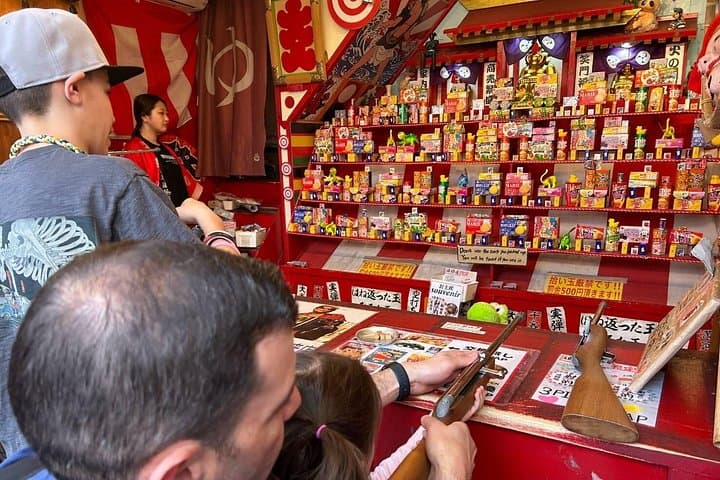
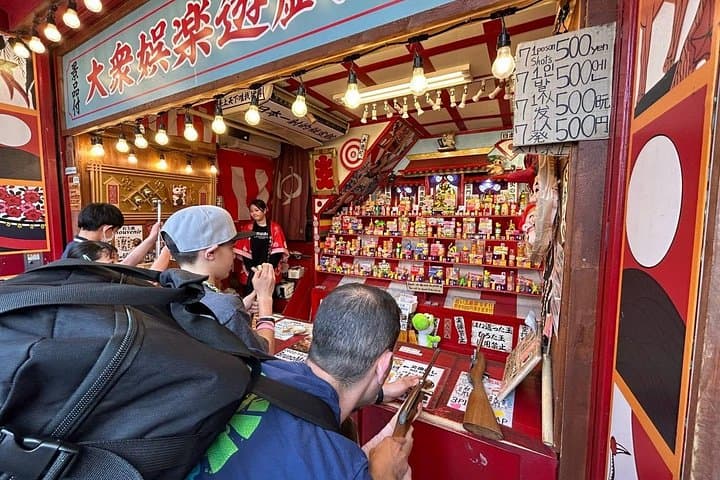
Plan for crowds at evening peak, carry some cash for tiny stalls, and allow a little extra time if you want to linger over street food or pop into a retro game arcade.
The tour advertises kids free — confirm age limits with the operator when booking, and provide child names on the reservation.
No — the tour is a guided walking experience; entry fees to museums or paid attractions are typically additional.
Meeting points vary but are usually a specific station exit or a landmark in Namba; the operator confirms details after booking.
The cancellation policy allows refunds up to 24 hours before departure; light rain tours continue but heavy storms may prompt rescheduling — check with your guide.
japan local and fun experiences operates guided outdoor trips and adventures with an emphasis on safety, stewardship, and memorable experiences.
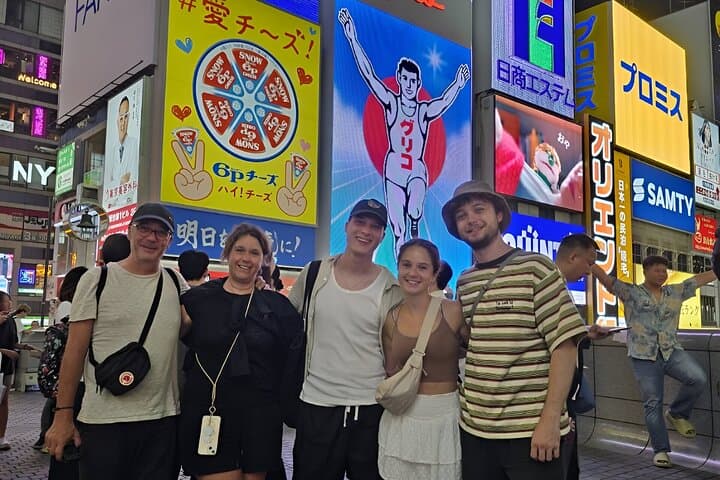
You step out into a corridor of light: Dotonbori's neon signs glare like carnival heralds, the canal reflects a jitter of color, and the city feels alive enough to tug you forward.
You step out into a corridor of light: Dotonbori's neon signs glare like carnival heralds, the canal reflects a jitter of color, and the city feels alive enough to tug you forward.
This three-hour private walk threads two of Osaka’s most characterful neighborhoods — Dotonbori, the entertainment artery that grew from Edo-period trade, and Shinsekai, the early-20th-century showpiece anchored by Tsutenkaku Tower. Expect crowded arcades, grilled-street-food aromas, and narrow lanes where local rituals — from ritual foot-washing at small shrines to shopkeepers calling out specials — keep a rhythm older than the LED facades.
Geology here is quiet: reclaimed riverbanks shaped commerce and set the canal that defines Dotonbori. Culturally, Osaka is a merchant city: casual, outspoken, and culinary-first. Your guide will point out architectural layers — postwar shopfronts beside retro izakayas — and explain why the tower became a civic landmark after its early-1900s construction and rebuilding.
Practical guidance: this is an easy, mostly flat urban walk with frequent stops and food opportunities. Shoes with good soles and a charged phone are the small things that make the day smoother. Public transport links are plentiful; guides typically meet near a recognizable landmark or station exit. There’s no standard admission included — expect to pay for any museum or indoor attraction separately — and kids can join for free, making the tour family-friendly.
Plan for crowds at evening peak, carry some cash for tiny stalls, and allow a little extra time if you want to linger over street food or pop into a retro game arcade.